ULDM Ultrasound Facial in Korea: Soothing and Recovery Care
ULDM is a low-intensity ultrasound treatment used in Korean clinics to soothe irritated skin, support recovery after lasers or acne treatments and improve hydration. It is gentle, usually painless and has no downtime, which is why it is often added to the end of other procedures. Effects are subtle and supportive rather than dramatic.
ULDM is a low-intensity ultrasound platform, distinct from lifting devices, and it is offered as a stand-alone facial or an add-on in many Gangnam clinics. This guide explains how it works, who it suits and how to use it during a trip to Korea.
How Does ULDM Work?
ULDM devices use low-intensity, focused ultrasound waves applied with a handpiece across the skin's surface. Unlike HIFU lifting devices, which create heat points deep under the skin, ULDM is designed to be gentle. The aim is to:
- Encourage microcirculation and lymphatic flow
- Calm inflammation and redness
- Help topical products or boosters penetrate the skin more evenly
- Support the skin barrier after more aggressive procedures
Some devices also include a water-drop or gel-based mode that delivers serums such as hyaluronic acid, vitamin C or soothing ingredients into the skin's surface layers.
What Is ULDM Used For?
- Calming redness and sensitivity
- Soothing skin after lasers, peels or RF microneedling
- Reducing irritation from acne and acne treatments
- Hydration and a fresher look before events
- Supporting a sensitive or reactive skin barrier
- Mild puffiness reduction
It does not lift sagging skin, remove pigmentation or treat deep scars. It is generally used to support other treatments.
Who Is ULDM For?
ULDM is often suggested for people with sensitive skin, rosacea-prone skin, acne-prone skin and anyone who wants a recovery boost after more intense procedures. It is also suitable for people who want a gentle treatment with no downtime while travelling.
Who should avoid or postpone it
A licensed physician should assess you first. ULDM is usually avoided over open wounds or active infection, during pregnancy (depending on the clinic's policy), with implanted electronic devices near the treatment area, or with certain skin conditions where heat or vibration is unsuitable. Tell the doctor about any recent fillers, threads or surgery on the face.
What to expect during treatment
- The skin is cleansed and a conductive gel or serum is applied.
- The ultrasound handpiece is glided across the face, usually for 10–30 minutes.
- Most people feel nothing or a gentle warmth or tingling.
- A soothing mask or moisturiser is often applied afterwards.
There is no downtime, and make-up can usually be applied straight away.
Results and Number of Sessions
Some people notice calmer, more hydrated skin immediately. For ongoing sensitivity or redness, clinics often suggest a series of several sessions, weekly or every two weeks, then occasional maintenance. When used after lasers, ULDM is typically added at the end of each session.
Side effects
Side effects are rare and usually mild:
- Slight warmth or temporary redness
- Mild tingling
- Rarely, irritation from the serum used
ULDM vs Other Soothing and Recovery Options
| Treatment | Main action | Typical downtime | Best for |
|---|---|---|---|
| ULDM | Low-intensity ultrasound | None | Soothing, recovery, hydration |
| LED therapy | Red or blue light | None | Calming inflammation, acne |
| Hydrating facial (e.g. aqua peel) | Cleansing and hydration | None | Dull or congested skin |
| Skin boosters | Injected hydration or repair | 1–3 days of bumps | Longer-lasting hydration and texture |
Cost in Gangnam
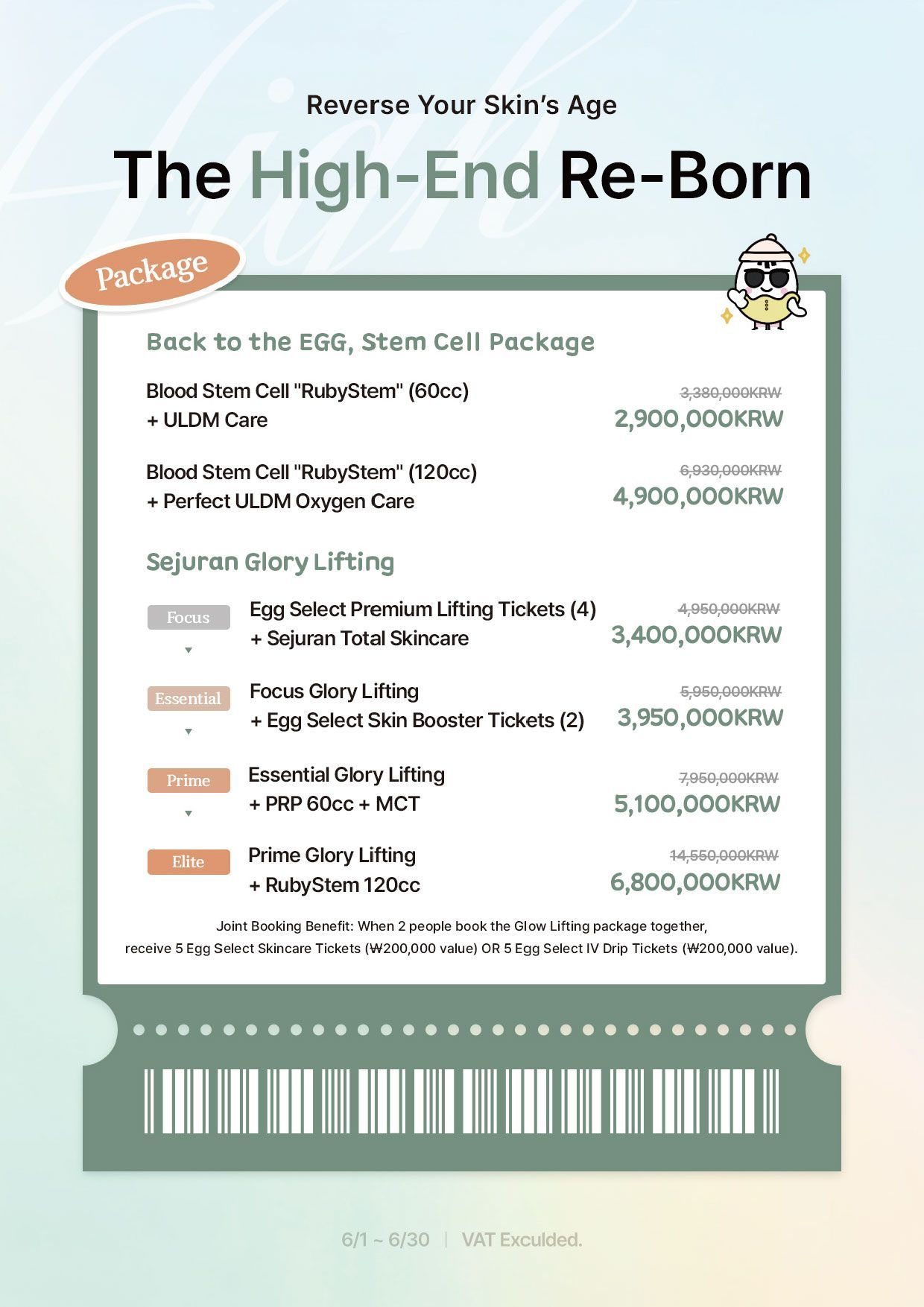
Published prices in Gangnam for ULDM start from around ₩80,000 (≈ $60) per session, often lower when added to another treatment. Prices vary by clinic and change over time.
Practical Tips for Visitors to Korea
- Use it as an add-on. If you are having lasers, RF microneedling or peels, ask whether ULDM can be added at the end to help calm the skin.
- Good for the day before events. Because there is no downtime, it can be booked shortly before photos or meetings.
- Combine with sun protection. Recovery treatments do not replace daily sunscreen.
- Avoid heat after strong procedures. Even if your skin feels calm after ULDM, follow the aftercare for your main treatment.
- Keep expectations realistic. ULDM supports skin health but does not replace targeted treatments.
How to choose a clinic for ULDM
Ask which device and serum will be used and why. A clinic should explain how ULDM fits into your overall plan, especially if you are combining it with lasers or boosters. Prices for add-ons can vary widely, so confirm whether ULDM is included in a package or charged separately.
Making the most of it at home
Support the effect of soothing treatments with a simple home routine: a gentle cleanser, a calming moisturiser with ingredients such as panthenol or ceramides, and sunscreen. Avoid introducing new strong actives during the week of treatment, so it is easier to tell how your skin is responding.
Frequently Asked Questions
Is ULDM the same as HIFU?
No. HIFU uses high-intensity focused ultrasound to heat deep layers for lifting. ULDM uses low-intensity ultrasound for soothing and recovery and has no lifting effect.
Does ULDM hurt?
Usually not. Most people feel nothing or a gentle warmth.
How often can I have ULDM?
Many people have it weekly or every two weeks during a course, or as an add-on with other treatments. Your doctor can advise.
Can ULDM help acne?
It may help calm inflamed, irritated skin, but it does not replace medical acne treatment.
This article is for general information only and does not replace a consultation with a licensed physician. Results vary from person to person.