Enlarged Pores in Korea: Treatments That Make a Visible Difference

Enlarged pores in Korea are usually treated with a combination of collagen-building procedures (RF microneedling or fractional lasers), oil-reducing treatments such as skin Botox, and regular care such as peels and medical skincare. Pores cannot be removed, but they can often look noticeably smaller and smoother over a course of several sessions. Results depend on why your pores are enlarged in the first place.
Pore care is one of the most common concerns among patients at Korean dermatology clinics, and there is a wide range of options in Gangnam. This guide explains the main causes, which treatments target each, and how to build a sensible plan as a visitor.
Why Do Pores Look Enlarged?
Pores are the openings of hair follicles and oil glands. They look larger for several reasons, and treatment works best when the cause is identified:
- Excess oil, which stretches the pore opening and makes it look shiny
- Clogging from dead skin cells and sebum, causing blackheads that make pores more visible
- Loss of collagen and elasticity with age and sun damage, so pores sag into an oval or teardrop shape
- Acne history, which can leave pores wider and the surrounding skin uneven
- Genetics and skin type, as oily and thicker skin types often have more visible pores
Treatments That Make a Visible Difference
RF microneedling
Devices such as Potenza and Morpheus8 deliver radiofrequency energy through fine needles to stimulate collagen around the pore and, at some settings, reduce oil gland activity. This is one of the most commonly recommended options for persistent pores, particularly when combined with acne scars.
Fractional lasers
Fractional Er:YAG or CO2 lasers resurface the skin and stimulate collagen, which can tighten the pore walls and improve surrounding texture. Downtime is usually a few days of redness and flaking.
Picosecond laser with fractional lens
PicoSure Focus and similar modes create tiny areas of energy inside the skin, which may improve texture and pore appearance with less downtime than ablative lasers.
Skin Botox (micro-Botox)
Very diluted botulinum toxin is injected into the superficial skin. It may reduce oil production and give a smoother, finer-looking surface for around three to four months.
Skin boosters
Hydrating HA boosters, polynucleotide boosters and collagen-stimulating products such as Juvelook can improve skin quality and may make pores look less obvious.
Peels, extraction and medical skincare
Salicylic acid peels, gentle extraction and prescription retinoids help keep pores clear and may improve their appearance over time.
Comparing Pore Treatments
| Treatment | Main action | Typical downtime | Typical course |
|---|---|---|---|
| RF microneedling | Collagen remodelling, oil reduction | 2–4 days of redness | 3–5 sessions |
| Fractional laser | Resurfacing, collagen | 3–7 days | 3–5 sessions |
| Picosecond fractional | Texture, collagen | Minimal to 1 day | 3–6 sessions |
| Skin Botox | Oil reduction, smoothness | Minimal, small bumps | Every 3–4 months |
| Peels and extraction | Unclogging pores | Minimal flaking | Every 2–4 weeks |
Who Is a Good Candidate?
Most people with persistent pore concerns can benefit from some combination of these treatments. People whose pores are mainly due to oil may see good results from skin Botox, peels and retinoids, while people with ageing or acne-related pores may need collagen-building procedures.
Who should avoid or postpone treatment
A licensed physician should assess you first. Procedures are usually postponed with active infection or acne flare-ups in the area, during pregnancy and breastfeeding, within several months of isotretinoin, with a recent tan, or with a history of keloids. People with pacemakers or metal implants need special consideration before RF treatments. Botulinum toxin is not suitable for people with certain neuromuscular conditions.
Results, Maintenance and Side Effects
Many people notice smoother, less shiny skin within a few weeks, but structural changes from collagen remodelling usually develop over two to three months after a course. Maintenance matters: pores tend to look larger again with oiliness, sun damage and ageing.
Common side effects
- Redness, swelling and pinpoint marks after RF microneedling
- Flaking and pinkness after fractional lasers
- Small bumps after skin Botox or boosters, settling within a day or two
- Temporary breakouts
- Post-inflammatory hyperpigmentation, especially in darker skin types
Cost in Gangnam
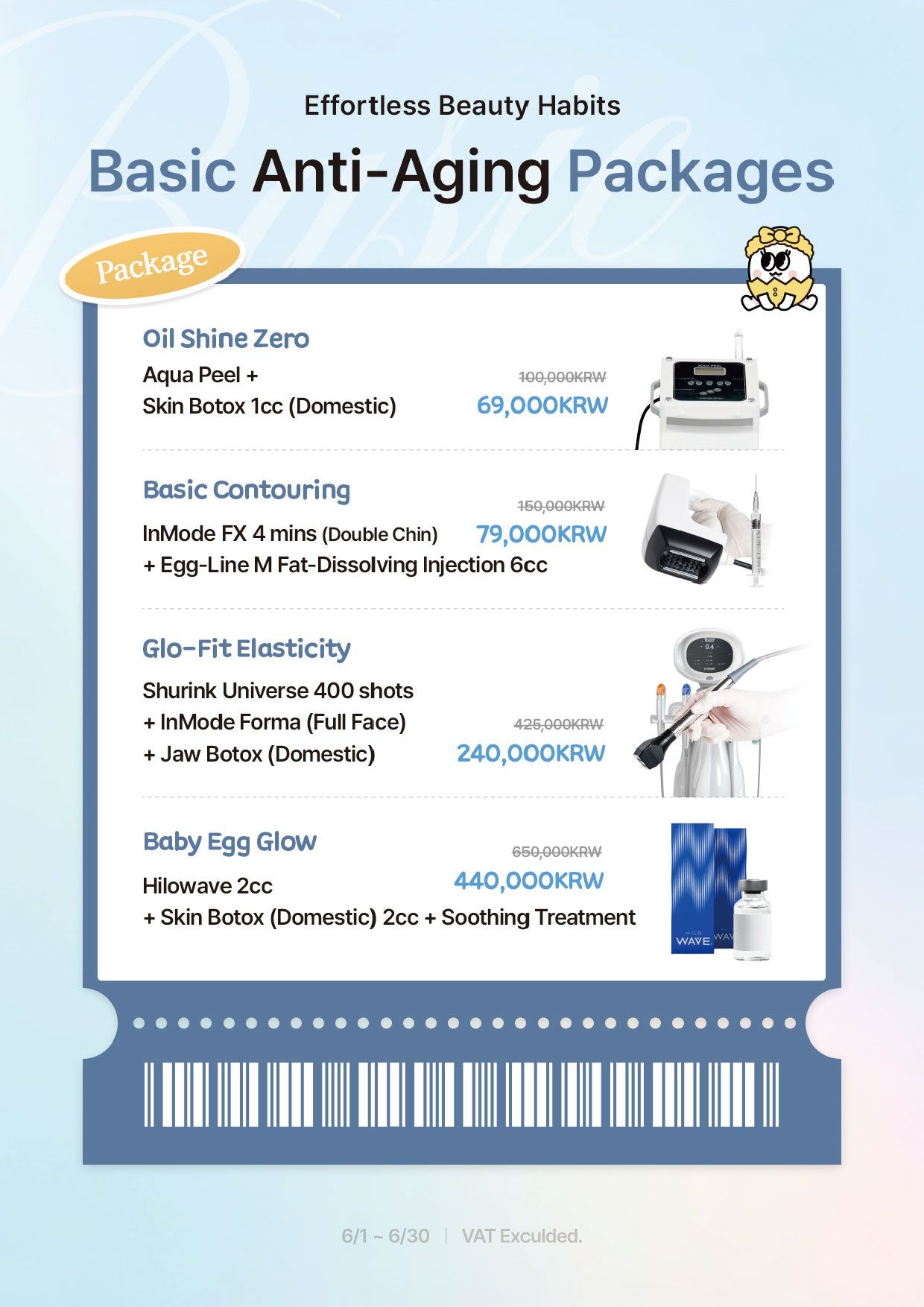
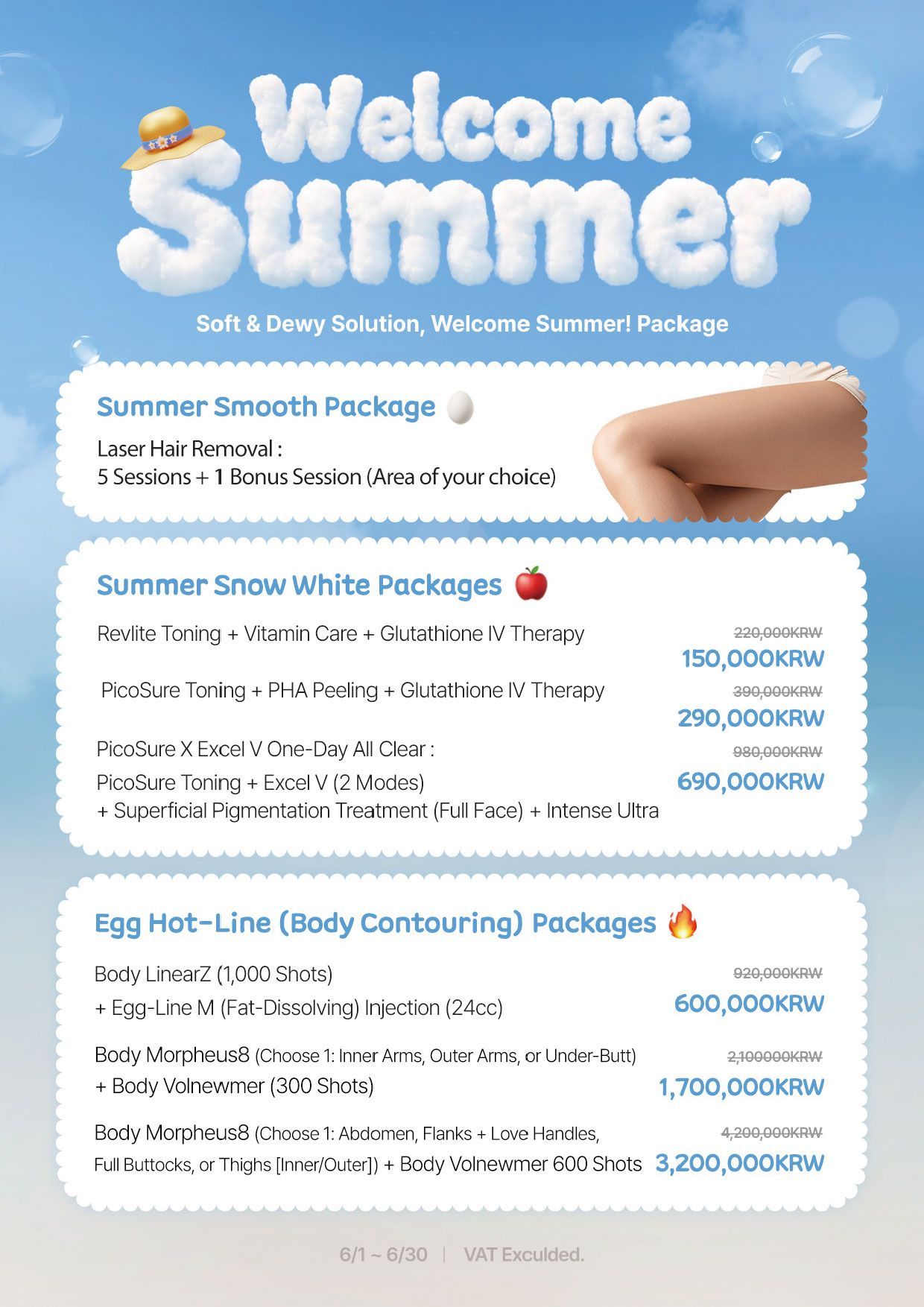
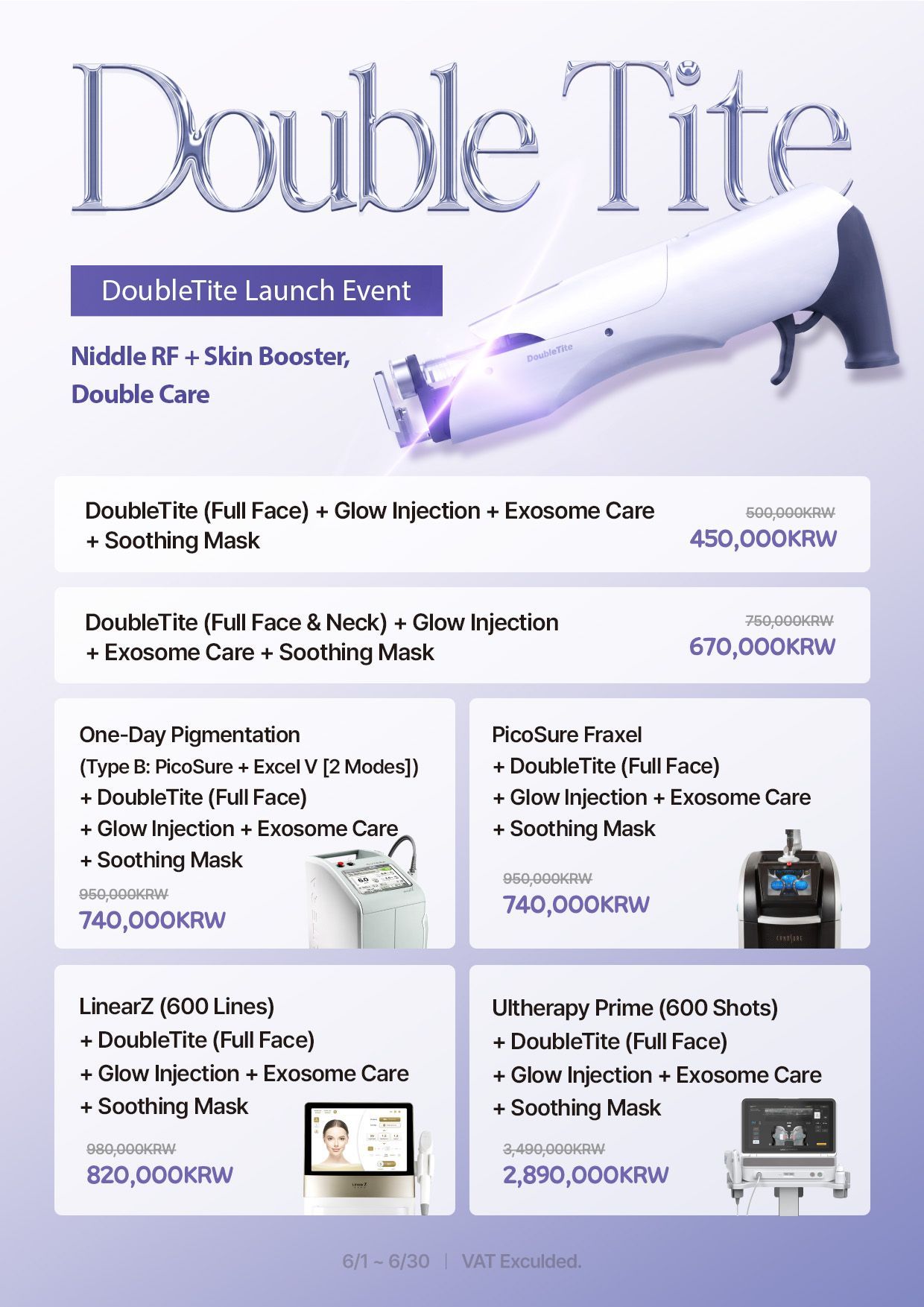
Published prices in Gangnam for acne scar and pore treatments start from around ₩30,000 (≈ $20) for simple options, with skin Botox from around ₩50,000 (≈ $40), Potenza from around ₩330,000 (≈ $240) and PicoSure Focus from around ₩200,000 (≈ $150) per session. Prices vary by clinic and area and change over time.
Practical Tips for Visitors to Korea
- Identify the cause first. Ask the doctor whether your pores are mainly oil-related, age-related or acne-related.
- Plan downtime. Low-downtime options such as skin Botox or picosecond lasers suit short trips; RF microneedling needs a few days.
- Keep a home routine. A gentle cleanser, oil-free moisturiser, sunscreen and, if suitable, a retinoid or salicylic acid product help maintain results.
- Do not over-exfoliate. Harsh scrubs can irritate the skin and make pores look worse.
- Take photos in consistent lighting to track change over a course.
- Avoid pore strips and squeezing, which can stretch pores and damage skin.
Frequently Asked Questions
Can enlarged pores be permanently shrunk?
Pores cannot be removed, but treatments can make them look noticeably smaller. Maintenance is usually needed to keep results.
What is the best treatment for enlarged pores in Korea?
For many people, RF microneedling or fractional lasers combined with skin Botox and good skincare gives the most visible improvement. The best choice depends on the cause.
How long does skin Botox for pores last?
Usually around three to four months, though this varies by person and dose.
Do skin boosters help pores?
They can improve skin quality and make pores less obvious, but they are often most effective alongside collagen-building treatments.
This article is for general information only and does not replace a consultation with a licensed physician. Results vary from person to person.