Freckle and Lentigo Removal in Korea: Results and Recurrence

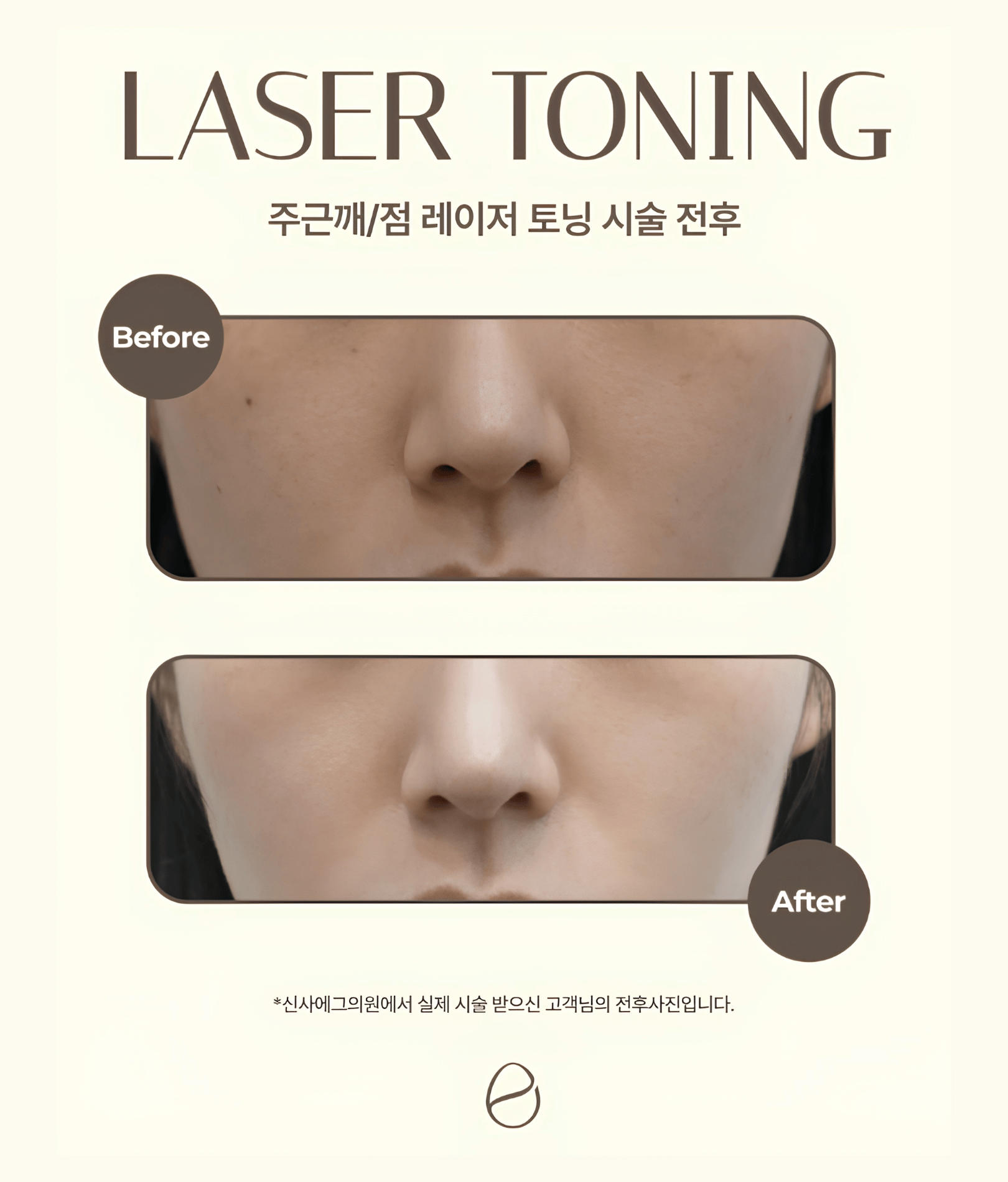
Freckles and lentigines (sun spots) are usually removed in Korea with a spot laser, such as a picosecond or Q-switched laser, which targets each spot directly. Many spots lighten noticeably after one or two sessions, with small dark scabs that flake off in about a week. Lentigines often stay away well with sun protection, while freckles commonly return with sun exposure.
Freckle removal is one of the most requested pigmentation treatments in Gangnam. Because it is quick and relatively affordable, visitors often book it alongside other treatments. This guide explains the difference between freckles and lentigines, what to expect and how to plan healing time during your stay.
Freckles vs Lentigines
Freckles (ephelides)
Freckles are small, light brown spots that often appear in childhood, darken in summer and fade in winter. They are strongly linked to genetics and sun exposure.
Lentigines (sun spots or age spots)
Solar lentigines are flat brown spots that develop with long-term sun exposure, usually on the face, hands and shoulders. They tend to be darker and more defined than freckles and do not fade in winter.
A doctor should confirm what each spot is. Some flat brown spots are seborrhoeic keratoses, melasma or, rarely, skin cancer, and these need a different approach.
How Spot Laser Removal Works
The laser delivers a short, high-energy pulse to each spot. The pigment absorbs the energy and breaks apart. The spot usually darkens immediately and then forms a thin crust that falls off as the skin renews.
Common technologies in Korea
- Picosecond lasers(such as PicoSure) for precise targeting with short pulses
- Q-switched Nd:YAG or ruby lasers for classic spot removal
- Intense pulsed light or broadband light(such as BBL) for many small, scattered spots across the face
- Laser toning as a follow-up to even out tone between spots
Who Is a Good Candidate?
Spot laser treatment tends to suit people with distinct, well-defined freckles or sun spots. It is less suitable for widespread mottled pigmentation or melasma, which needs gentler, longer treatment.
Who should avoid or postpone it
A licensed physician should assess you first. Laser spot treatment is usually avoided or delayed with a recent tan, during pregnancy, with active skin infections, if you use photosensitising medication, or if you have a history of keloid or abnormal scarring. Spots that are changing, bleeding, irregular or itchy must be examined before any laser treatment.
Healing Time and Aftercare
Healing after spot lasers usually follows this pattern:
- Immediately: spots turn darker or greyish; mild redness around them.
- Days 1–3: thin scabs form. Some clinics apply a hydrocolloid patch to protect each spot.
- Days 5–10: scabs fall off naturally, leaving pink, fresh skin.
- Weeks 2–8: the pink tone fades. Some people develop temporary darkening (post-inflammatory hyperpigmentation), which usually fades with time and sun protection.
Do not pick scabs, as this raises the risk of scarring and pigment changes. Keep the area moisturised and wear sunscreen daily.
Results and Recurrence
Many lentigines fade substantially after one or two sessions. Freckles also respond well, but because they are partly genetic, new freckles can appear with future sun exposure. Recurrence rates vary from person to person.
| Spot type | Typical sessions | Healing | Recurrence risk |
|---|---|---|---|
| Solar lentigines | 1–2 | Scabs for about a week | Lower with good sun protection |
| Freckles | 1–3 | Scabs for about a week | Higher, especially in summer |
| Scattered fine spots | Several sessions of light-based treatment | Mild darkening, flaking | Moderate |
| Melasma (not freckles) | Long course of gentle toning | Minimal | High, needs maintenance |
Cost in Gangnam
Published prices in Gangnam for freckle and lentigo removal start from around ₩30,000 (≈ $20), often priced by the number of spots or by treating the whole face. Prices vary by clinic, laser type and number of spots, and they change over time.
Practical Tips for Visitors to Korea
- Allow a week of healing. If you need clear skin for photos or meetings, schedule spot removal early in your trip.
- Bring or buy patches. Many Korean pharmacies sell hydrocolloid spot patches.
- Commit to sunscreen. Use SPF 50 and a hat, especially if you are sightseeing outdoors.
- Consider winter. Autumn and winter visits can be easier for pigment treatment because sun exposure is lower.
- Ask about combinations. Many clinics pair spot removal with toning or BBL for overall evenness.
Choosing a clinic for spot removal
Ask whether a doctor examines each spot before treatment and whether any suspicious lesions will be checked first. A careful clinic will treat conservatively on the first visit, particularly on medium or darker skin, and explain how to care for each spot afterwards. Ask what happens if a spot darkens after healing and whether follow-up toning or creams are included or charged separately.
Preventing new spots
Freckles and sun spots are a sign of cumulative sun exposure, so prevention is part of treatment. Wear broad-spectrum sunscreen every day, including on cloudy days, reapply when outdoors, and use hats and sunglasses. Antioxidant serums and gentle retinoids, introduced after healing, may help maintain an even tone over time.
Frequently Asked Questions
Do freckles come back after laser removal?
They can. Freckles are linked to genetics and sun exposure, so new ones may appear. Sun protection reduces how quickly they return.
Can I wear make-up after freckle laser?
Usually not directly on the treated spots until scabs fall off. Many people cover patches with concealer on top of hydrocolloid patches, if the doctor approves.
How many sessions do I need for sun spots?
Many solar lentigines respond to one or two sessions, though deeper or larger spots may need more.
Is freckle removal painful?
Most people feel a quick snap like a rubber band. Numbing cream is often used for larger areas.
This article is for general information only and does not replace a consultation with a licensed physician. Results vary from person to person.