Melasma Treatment in Seoul: Lasers, Injections and Home Care

Melasma in Seoul is usually treated with a combination approach: gentle laser toning, injections or oral medication such as tranexamic acid where suitable, and strict home care with sunscreen and brightening skincare. It can often be improved significantly, but it is a long-term condition that tends to recur with sun, heat and hormones. Expect gradual progress over months rather than a one-time cure.
Melasma is a common pigmentation disorder that appears as symmetrical brown or grey-brown patches, usually on the cheeks, forehead, upper lip or chin. Korean dermatology has extensive experience with melasma because it is common among Asian patients. This article explains the main treatment options and how to approach melasma as a visitor.
What Causes Melasma?
Melasma is driven by overactive pigment cells, influenced by several factors:
- Ultraviolet and visible light, including light through windows
- Hormones, such as pregnancy, oral contraceptives and hormone therapy
- Heat, which can worsen pigmentation even without strong sunlight
- Genetics and skin type, with higher rates in medium to darker skin tones
- Skin inflammation, including from harsh products or aggressive treatments
Because these triggers continue in daily life, treatment focuses on calming pigment production as well as clearing existing pigment.
In-Clinic Treatments
Low-energy laser toning
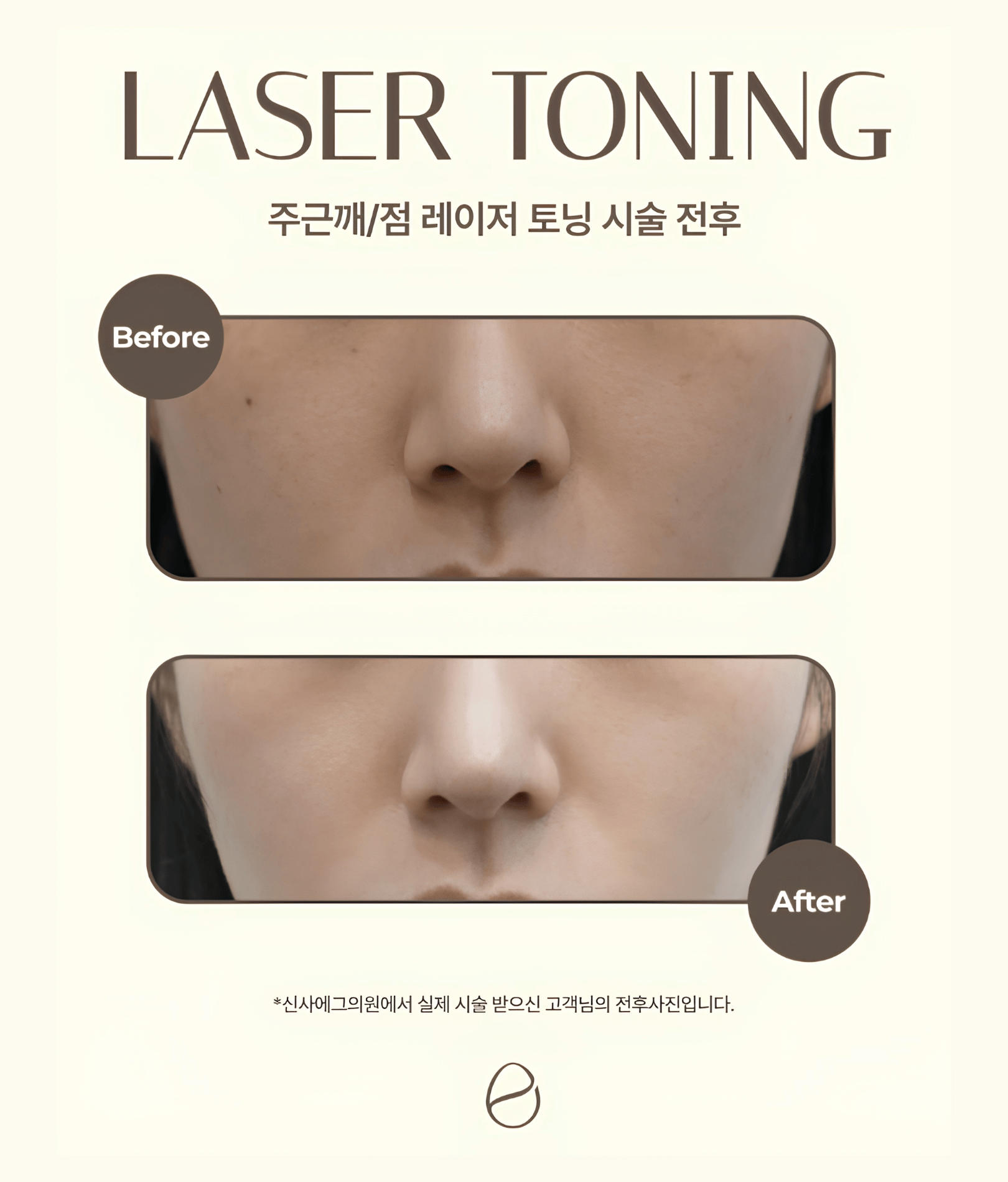
Laser toning with Q-switched or picosecond lasers (for example, RevLite or PicoSure) is widely used in Korea. Low, even energy is delivered across the face in a series of sessions. The goal is to reduce pigment without triggering inflammation, which can make melasma worse.
Melasma injections
Some clinics use injections containing ingredients such as tranexamic acid, glutathione or other brightening agents, delivered into the skin of affected areas. Evidence varies by ingredient, and doctors usually use these as part of a combined plan rather than alone.
Vascular and light-based treatments
Melasma sometimes has a vascular component, meaning small blood vessels contribute to the colour. In these cases, a doctor may add vascular laser or carefully set light treatments.
Gentle boosters and barrier support
Skin boosters and soothing treatments can help maintain a healthy skin barrier, which may make the skin less reactive during a laser course.
Home Care: The Most Important Part
- Daily broad-spectrum sunscreen, ideally one that also protects against visible light (often tinted sunscreens with iron oxides), reapplied when outdoors
- Topical brighteners as prescribed, such as hydroquinone (short-term and under supervision), azelaic acid, tranexamic acid, niacinamide or retinoids
- Oral tranexamic acid, prescribed for some patients after screening for clotting risks
- Avoiding heat, such as saunas and hot yoga, during active treatment
- Gentle cleansing and avoiding scrubs or harsh peels
Who should be careful
A licensed physician should assess you before starting treatment, and should confirm the diagnosis, as other conditions can look like melasma. Caution or alternatives are needed during pregnancy and breastfeeding, if you have a history of blood clots or take hormonal medication (relevant for oral tranexamic acid), if you have very sensitive or inflamed skin, or if you have recently tanned.
Results, Sessions and Recurrence
Most laser toning plans involve around ten sessions spaced one to two weeks apart, combined with home care. Many people see lighter, more even patches over two to four months. Complete clearance is not always possible, and recurrence is common, especially in summer or with hormonal changes. Maintenance sessions and lifelong sun protection are usually recommended.
Side effects and risks
- Mild redness after laser sessions
- Temporary dryness or irritation from topical creams
- Rebound hyperpigmentation if treatment is too aggressive
- Mottled lighter spots (hypopigmentation) with overly frequent or strong toning
These risks are why melasma needs a patient, conservative approach.
Comparing common melasma options
| Option | Role | Typical course | Notes |
|---|---|---|---|
| Low-energy laser toning | Reduce existing pigment | About 10 sessions, 1–2 weeks apart | Gentle settings essential |
| Melasma injections | Support pigment control | Several sessions | Used alongside other treatments |
| Oral tranexamic acid | Calm pigment production | Several months, prescribed | Needs medical screening |
| Topical brighteners | Daily control | Ongoing | Prescription or cosmeceutical |
| Sunscreen and heat avoidance | Prevent worsening | Lifelong | Most important step |
Cost in Gangnam
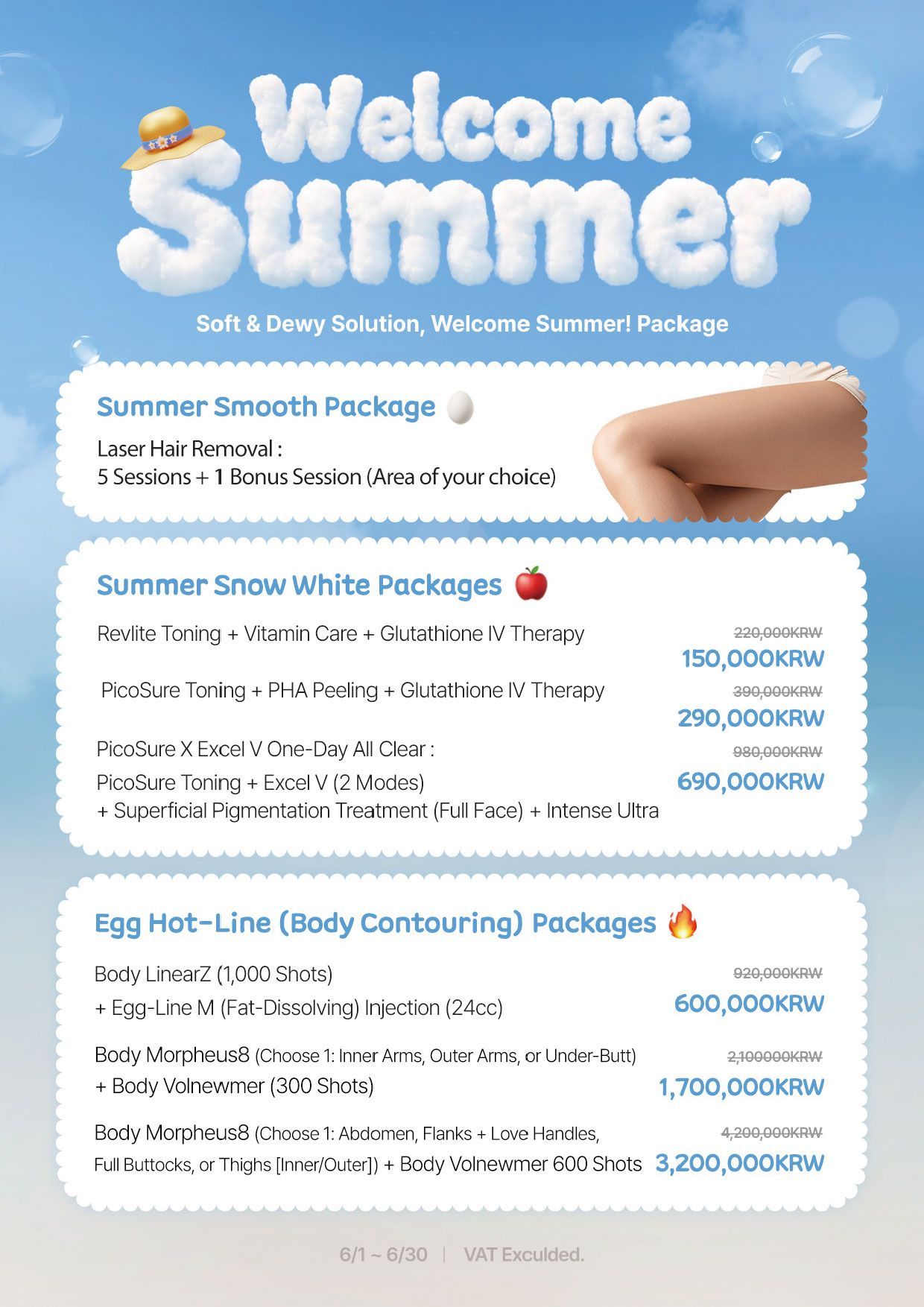
Published prices in Gangnam for pigmentation and laser toning start from around ₩10,000 (≈ $7) for very simple options, with melasma injections starting from around ₩150,000 (≈ $110) and pigmentation care packages from around ₩100,000 (≈ $70). Actual costs depend on the plan, number of sessions and medication, and vary by clinic and over time.
Practical Tips for Visitors to Korea
- Start before you arrive. Begin strict sunscreen use a few weeks before your trip.
- Ask for a home-care plan. A clinic visit is most useful when combined with a clear routine you can continue at home.
- Avoid aggressive one-off treatments. Strong lasers or peels done once before you fly can worsen melasma.
- Bring medication information. If prescribed oral medication, ask for written details for your doctor at home.
Frequently Asked Questions
Can melasma be cured permanently?
Melasma can often be improved a great deal, but it is considered a chronic condition. Most people need ongoing sun protection and maintenance to keep it under control.
What is the best laser for melasma in Korea?
Low-energy laser toning with Q-switched or picosecond lasers is commonly used. The settings and overall plan matter more than the brand.
Does tranexamic acid work for melasma?
It can help many patients, either orally or topically, but oral use needs medical screening for clotting risks and is not suitable for everyone.
Can I treat melasma in one visit to Seoul?
One visit can start a plan, but melasma usually needs several months of treatment and home care. A single strong treatment is not recommended.
This article is for general information only and does not replace a consultation with a licensed physician. Results vary from person to person.