Cellulite and Stretch Mark Treatments in Korea
In Korea, cellulite is usually treated with body radiofrequency and ultrasound devices, sometimes combined with injectable or shockwave treatments, while stretch marks are treated with fractional lasers and RF microneedling. Neither condition can be fully erased, but a series of sessions can typically make skin look smoother, firmer and more even. Most treatments need little downtime, which makes them practical for visitors.
Cellulite and stretch marks are often discussed together because they affect similar areas, such as the thighs, hips, abdomen and buttocks. They have different causes, though, so they respond to different technologies. This guide explains the options you will see in Gangnam clinics and what is realistic to expect.
Cellulite vs Stretch Marks: Why the Treatment Differs
Cellulite
Cellulite is the dimpled, "orange peel" look that appears when fat pushes up against the skin while fibrous bands underneath pull downwards. It is very common, including in slim and active people, and is influenced by genetics, hormones, skin thickness and circulation. Treatment aims to tighten the skin, reduce the fat layer slightly and soften the fibrous bands.
Stretch marks
Stretch marks (striae) are a form of scarring in the dermis. They often appear during growth spurts, pregnancy, rapid weight changes or with steroid use. New marks tend to be red, pink or purple (striae rubrae), while older ones fade to white or silvery lines (striae albae). Early, coloured marks usually respond better than old white ones.
Common Treatments for Cellulite
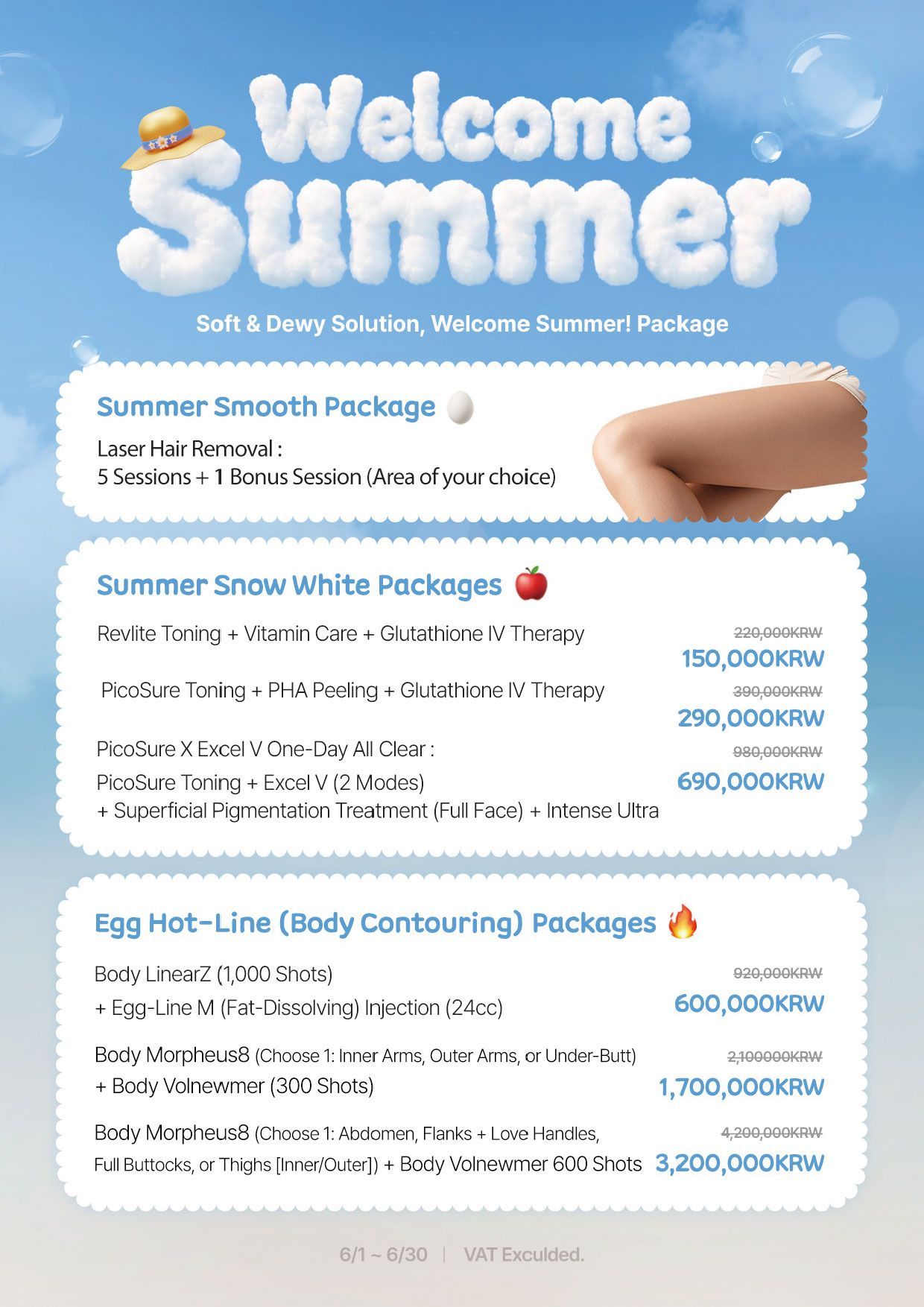
- Body radiofrequency. Devices such as Volnewmer Body, Onda Body (microwave-based) or Morpheus8 Body heat the skin and fat layer to encourage collagen remodelling and tightening.
- Body ultrasound. Focused ultrasound for the body, such as Ultherapy for body areas or Linear Z Body, targets deeper layers for firmness.
- Shockwave therapy. Acoustic wave devices such as Shockthera Body are used to improve circulation and the look of dimpling, usually over a course of sessions.
- Injectables. Some clinics offer lipolysis injections for small fat pockets, or collagen-stimulating injections in selected cases. These are not right for everyone and should be discussed with a doctor.
Many people combine a tightening device with shockwave or lymphatic-style treatments. A doctor will usually suggest a plan based on how much laxity versus fat you have.
Common Treatments for Stretch Marks
- Fractional lasers. Ablative (such as Er:YAG fractional) or non-ablative fractional lasers create tiny columns of controlled injury that trigger new collagen. These are often the main option for white stretch marks.
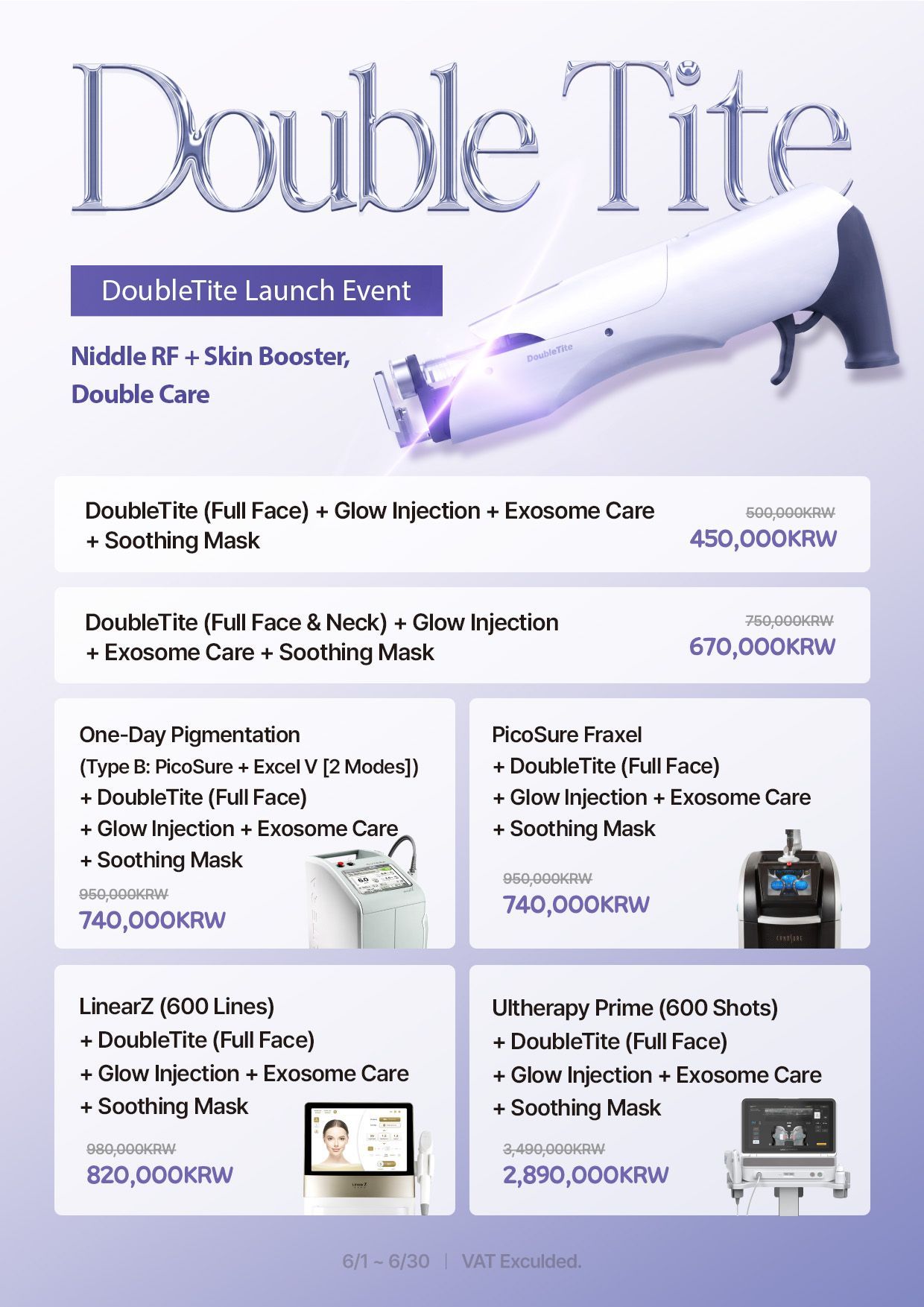
- RF microneedling. Devices such as Potenza or Morpheus8 deliver heat through fine needles, which can improve texture and depth with relatively little surface damage.
- Vascular lasers. For red or purple marks, vascular lasers such as Excel V or broadband light can reduce redness.
- Skin boosters. Some clinics add collagen-stimulating boosters to improve skin quality around the marks.
Results and How Many Sessions You Need
Results are gradual and usually modest rather than dramatic. As a rough guide:
- Cellulite plans often involve several sessions spaced a few weeks apart, with firmness improving over two to three months.
- Stretch mark plans typically need three to six sessions spaced four to six weeks apart, because collagen remodelling takes time.
- Maintenance sessions may be needed, especially for cellulite, as weight changes, hormones and ageing continue to affect the skin.
A realistic goal is to make marks less noticeable and skin smoother, not to return it to how it looked before.
Downtime, Side Effects and Who Should Avoid Treatment
Body RF and ultrasound usually allow you to return to normal activities the same day, with mild redness, warmth or tenderness. Fractional lasers and RF microneedling can cause redness, swelling and small scabs for several days. Darker skin tones carry a higher risk of post-inflammatory hyperpigmentation, so conservative settings and good sun protection matter.
Treatments are usually postponed or avoided in people who:
- are pregnant or breastfeeding,
- have active infection, eczema or open wounds in the area,
- have a pacemaker or metal implants near the area (for some energy devices),
- tend to form keloids, or have recently used isotretinoin,
- have bleeding disorders or take blood thinners (for needle-based treatments).
A licensed physician should review your medical history before any energy-based or injectable treatment.
Practical Tips for Visitors to Korea
- Plan for a series. Since most plans need several sessions, a single short trip may only allow one or two. Ask the doctor how to continue treatment at home.
- Avoid sun and tanning. Treated skin is sensitive; cover the area and use sunscreen if it will be exposed.
- Bring comfortable clothing. Loose clothes help after body treatments, especially on the thighs or abdomen.
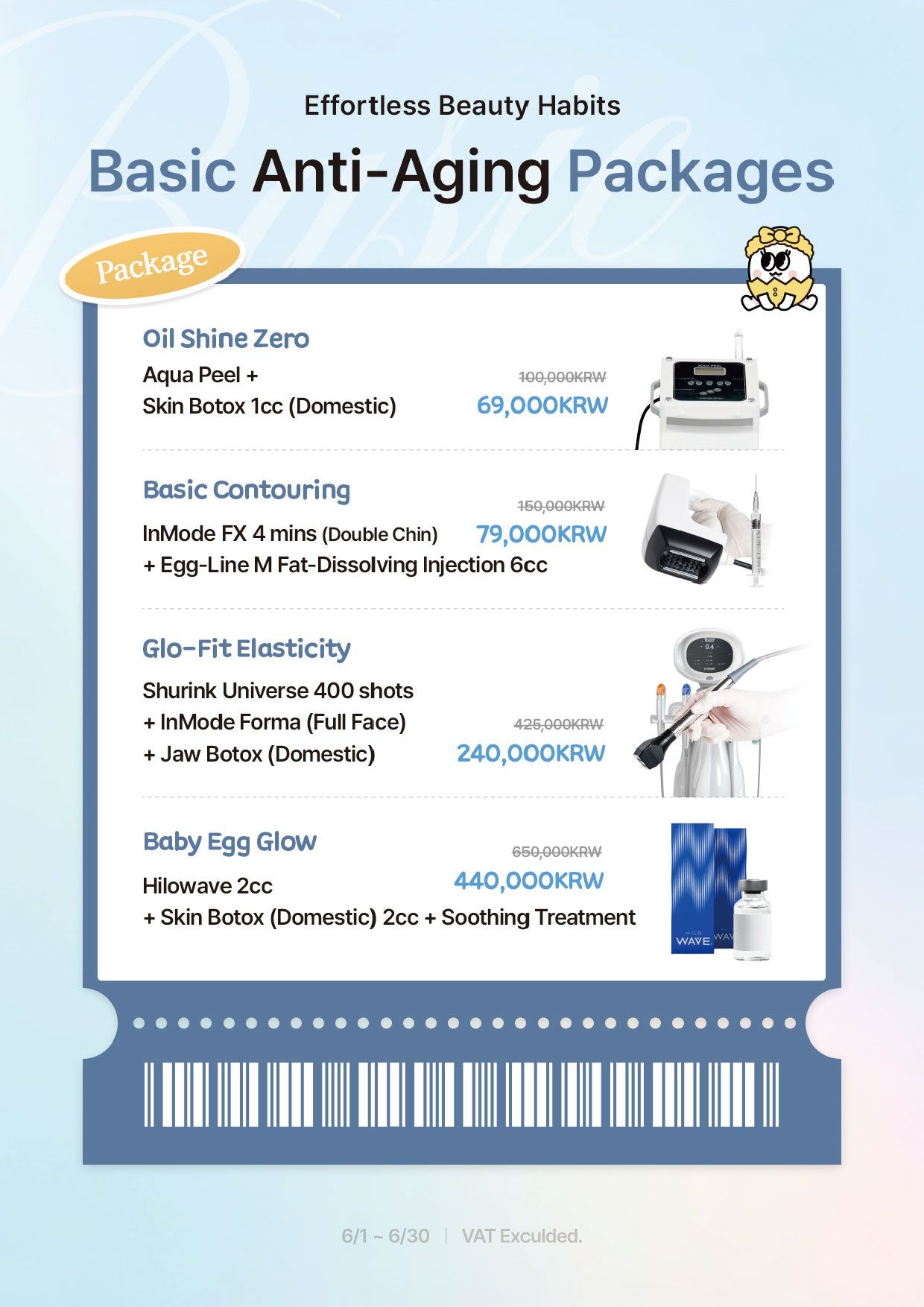
- Ask about pricing per area. Body treatments are usually priced by area or by shots, so confirm exactly what is included. As a reference, published prices for some body devices in Gangnam start from around ₩130,000 (≈ $100) per session, while larger body RF packages can cost much more. Prices vary by clinic and change over time.
Frequently Asked Questions
Can stretch marks be removed completely?
Usually not. Treatment can make them flatter, softer and closer to your skin colour, but some trace typically remains. Newer, coloured marks tend to improve more than old white ones.
What is the best treatment for cellulite in Korea?
There is no single best option. Body RF or microwave devices are common for tightening, shockwave for dimpling, and combinations are often used. The right choice depends on your skin laxity, fat thickness and budget.
Is stretch mark laser treatment painful?
Most people describe a hot, prickling sensation. Numbing cream is commonly applied beforehand for fractional lasers and RF microneedling, and discomfort usually fades within hours.
Can I treat stretch marks during pregnancy?
Laser, RF and injectable treatments are generally postponed during pregnancy and breastfeeding. Gentle moisturising can be continued, and treatment can be discussed after you have finished breastfeeding.
This article is for general information only and does not replace a consultation with a licensed physician. Results vary from person to person.