Stem Cell and PRP Skin Therapy in Korea: What It Can and Cannot Do

PRP (platelet-rich plasma) and stem-cell-related skin therapies in Korea aim to improve skin quality, texture, fine lines and sometimes hair thinning by using growth factors from your own blood or from cell-derived products. They can give gradual, subtle improvements, often as part of a combined plan. They are not a substitute for lifting, fillers or surgery, and much of the marketing goes beyond what the evidence shows.
These treatments are popular in Gangnam because they feel "natural" and fit into a short visit. This guide separates what is reasonably expected from what is not, so you can decide whether they are worth it for you.
What PRP and Stem Cell Skin Therapy Are
PRP
For PRP, a small amount of your blood is drawn and spun in a centrifuge to concentrate the platelets. The concentrated plasma, which contains growth factors, is then injected into the skin or applied after microneedling. Related versions include PRF (platelet-rich fibrin), which forms a soft gel.
"Stem cell" treatments
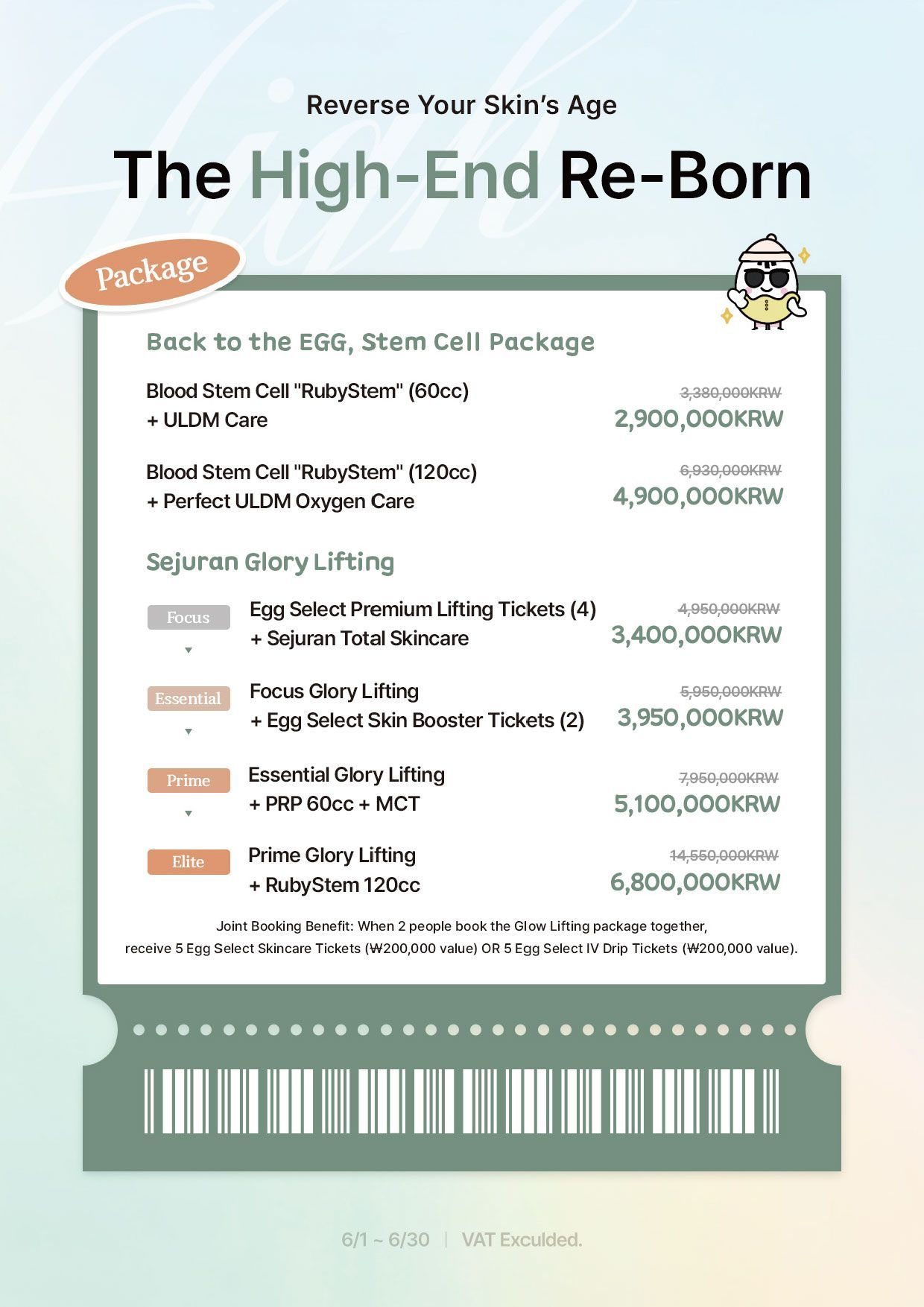
In aesthetic clinics, the term "stem cell" often refers to products such as stem cell conditioned media or exosome-type solutions, rather than living stem cells. Some clinics offer autologous fat-derived treatments in specific settings. Regulations and product types vary, so ask exactly what is being used, where it comes from and whether it is approved for that use in Korea.
What These Treatments Can Do
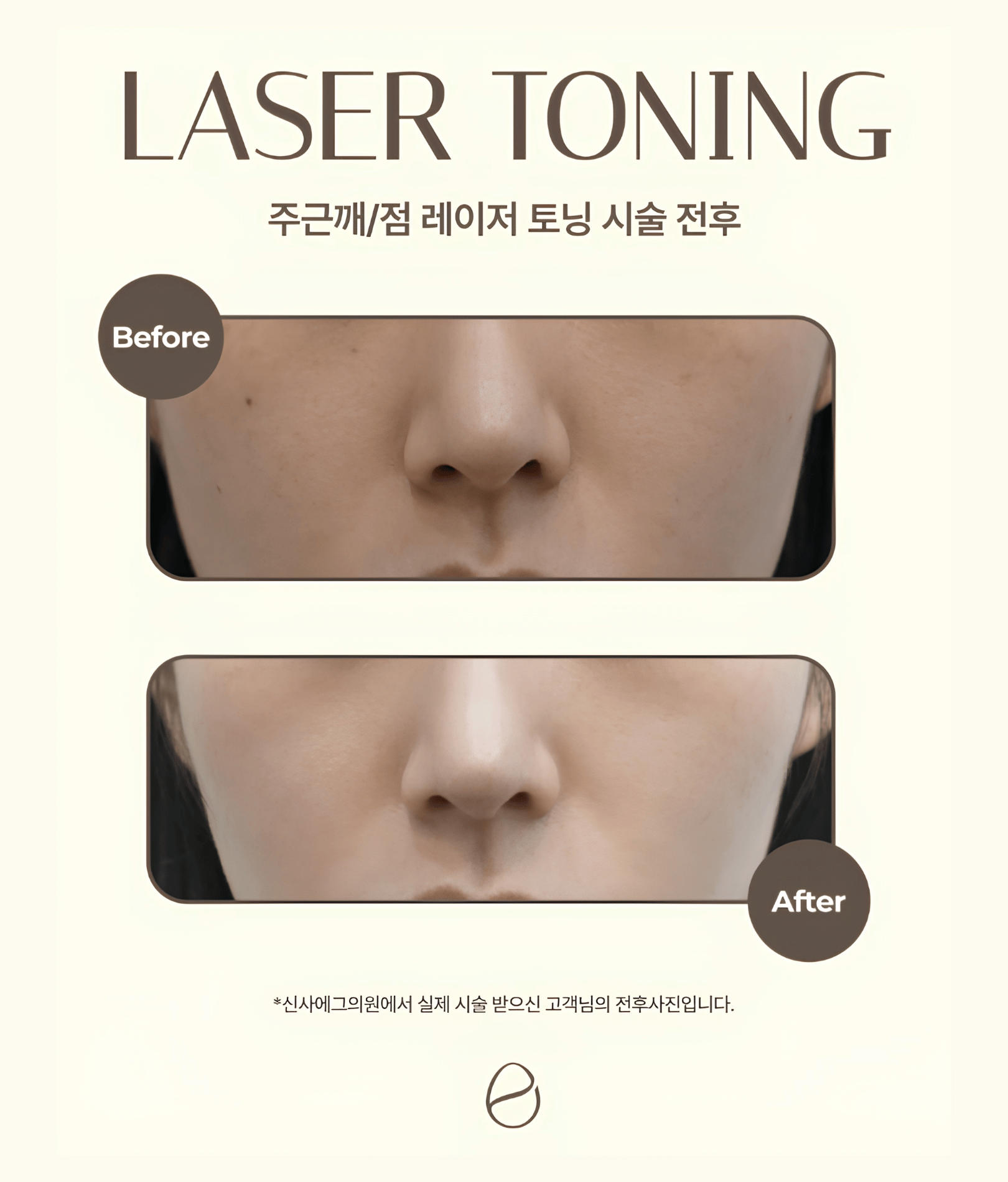
- Improve skin quality. Many people notice smoother texture, better hydration and a healthier glow over several weeks.
- Support healing after other treatments. PRP is often applied after microneedling or fractional laser to help recovery.
- Help with mild acne scarring. Combined with microneedling or lasers, PRP may enhance results modestly.
- Support hair thinning. PRP for the scalp is used for some types of hair loss, usually in a series of sessions.
- Under-eye skin. Some patients use PRP for thin, crepey under-eye skin, though results vary considerably.
What They Cannot Do
- They do not lift sagging skin in the way ultrasound lifting or threads can.
- They do not replace lost volume like fillers do.
- They do not reverse ageing or "regenerate" the face in a dramatic way.
- Results are not guaranteed and can be difficult to measure, because they are gradual and subtle.
If a clinic promises "stem cell rejuvenation" that will transform your face, be cautious and ask for a clear explanation of the product and the expected change.
Results, Sessions and Duration
Skin PRP is commonly done as a series of two to four sessions about four weeks apart. Improvements typically build over one to three months and may last several months, with maintenance sessions afterwards. Scalp PRP plans are often longer. Response varies between individuals, and age, smoking, sun damage and general health all play a role.
Downtime, Side Effects and Who Should Avoid It
Expect redness, small bumps, pinpoint bruising and mild swelling for one to three days, more if combined with microneedling. Infection and allergic reactions are uncommon, particularly with your own blood, but sterile technique remains essential.
These treatments are usually avoided or postponed if you:
- have a blood or platelet disorder, or take anticoagulants,
- have active skin infection, cold sores or severe acne in the area,
- have active cancer or are undergoing treatment,
- are pregnant or breastfeeding,
- have a fever or are unwell on the day.
A licensed physician should assess you and explain exactly which product or preparation will be used.
How to Choose a Clinic for PRP or Stem Cell Therapy
- Transparency about the product. The clinic should tell you whether it uses your own blood (PRP or PRF), a named cell-derived product or another preparation.
- Clear protocol. Ask how the sample is processed, how much is injected and where, and whether it is combined with microneedling or laser.
- Realistic expectations. A good doctor will describe the likely improvement as gradual and moderate, and will tell you if another treatment would suit your concern better.
- Sterile handling. Blood should be drawn, processed and reinjected in a clean, closed process.
It also helps to have before photos taken in consistent lighting, because subtle changes in skin quality are easy to miss without them.
Cost in Gangnam
Stem cell and PRP therapy is more expensive than basic skin boosters because of processing and product costs. Published prices in Gangnam start from around ₩500,000 (≈ $370) per session, with higher prices for larger areas, combined protocols or premium products. Prices vary by clinic and change over time, so confirm what is included before booking.
Practical Tips for Visitors to Korea
- Ask "what exactly is injected?" Get the product name or preparation method, not just a marketing label.
- Stay hydrated and eat before PRP. It makes the blood draw easier.
- Allow recovery time. Leave one or two days before important events because of redness and bumps.
- Think about follow-up. Since a series is often recommended, consider whether you can return or continue at home.
Frequently Asked Questions
Is stem cell facial treatment in Korea real stem cells?
Often not. Many "stem cell" skin treatments use conditioned media or exosome-type products derived from cells, not living stem cells. Ask the clinic to name the product and explain its source.
Is PRP better than Rejuran?
They work differently. PRP uses your own growth factors, while Rejuran uses polynucleotides. Both aim to improve skin quality; the doctor may recommend one, the other, or a combination based on your skin.
How soon will I see results from PRP?
Some people notice a fresher look within a couple of weeks, but most improvement appears gradually over one to three months, especially after a series.
Can PRP be done on the same day as other treatments?
Yes, it is often combined with microneedling or laser treatments. The doctor will plan the order and intensity to keep recovery manageable.
This article is for general information only and does not replace a consultation with a licensed physician. Results vary from person to person.