Korean Facials for Dull Skin: Aqua Peel, Oxygen and LED Explained

Korean clinic facials for dull skin, such as aqua peel, oxygen facials and LED therapy, are gentle, no-downtime treatments that cleanse, hydrate and calm the skin for a fresher, brighter look. They usually show an immediate glow that lasts days to a couple of weeks, and are often repeated every two to four weeks. They are ideal for maintenance or a pre-event boost, but they do not replace medical treatments for pigmentation, scars or ageing.
Medical-grade facials are popular in Seoul because they are affordable and can be combined easily with lasers, boosters or lifting. This guide explains the most common options and how to choose between them.
Why Does Skin Look Dull?
Dull skin is usually caused by a combination of factors:
- Build-up of dead skin cells on the surface
- Dehydration, often worsened by air travel, heating and air conditioning
- Clogged pores and excess oil
- Uneven tone from sun damage
- Fatigue, stress and poor sleep
Facials mainly target the first three, which is why they can give such a visible short-term improvement.
Common Korean Clinic Facials
Aqua peel (hydradermabrasion)
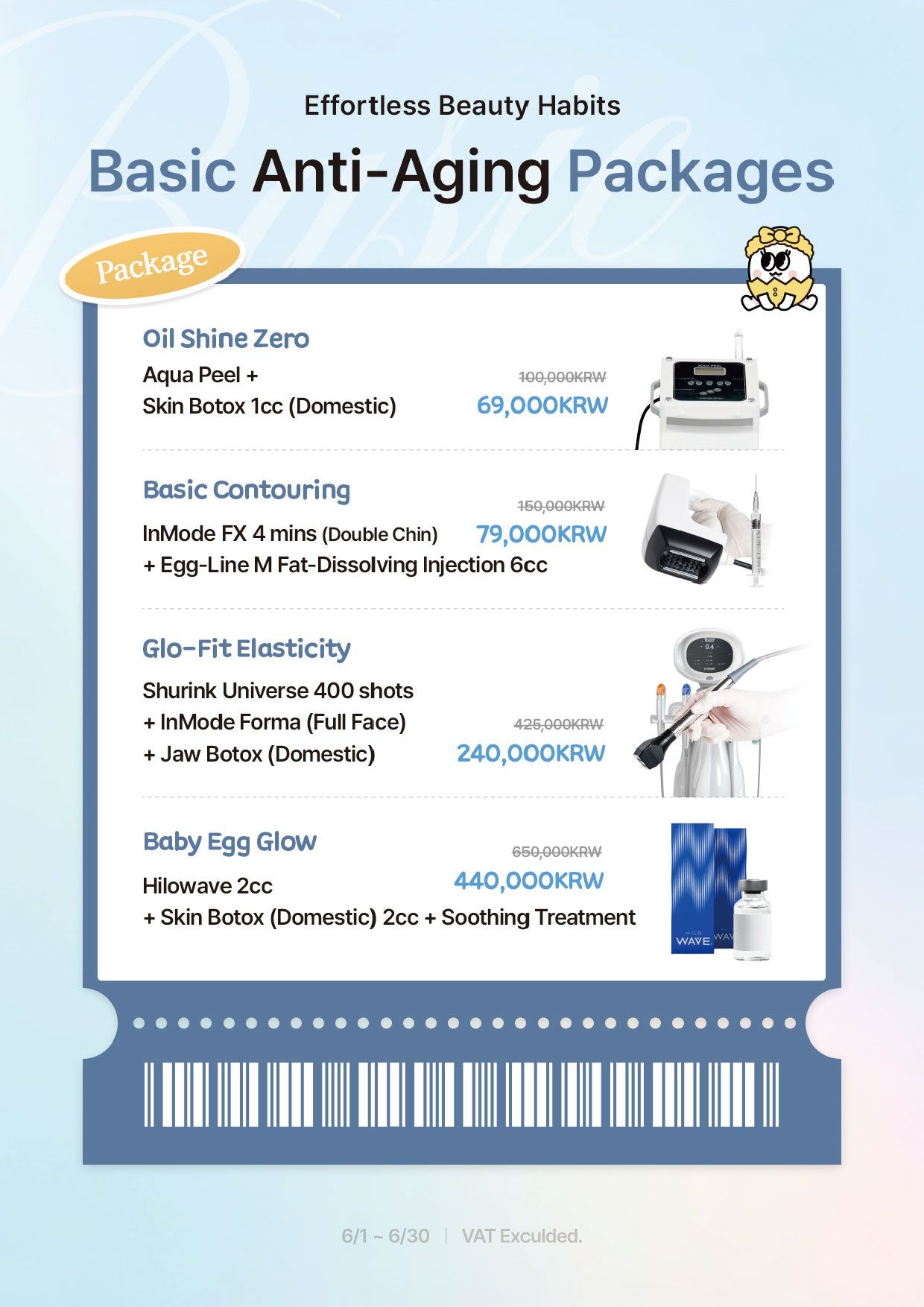
Aqua peel uses a vacuum handpiece with water or serum to gently exfoliate the surface, loosen congestion and extract debris from pores. Hydrating serums are then infused. It is popular for blackheads, rough texture and dullness, with little to no redness afterwards.
Oxygen facial
An oxygen facial uses pressurised oxygen and serums sprayed onto the skin, sometimes with a dome or handpiece. It is mainly hydrating and soothing, giving a plump, fresh look. Claims about oxygen itself benefiting the skin are not strongly established, but the hydration and serum delivery are well tolerated.
LED therapy
Light-emitting diode (LED) masks or panels use specific wavelengths:
- Red light for calming and supporting recovery
- Blue light for acne-prone skin
- Near-infrared for deeper soothing
It is often added at the end of other treatments.
Other clinic facials
- Mild chemical peels(lactic, mandelic or salicylic acid) for gentle brightening
- Cryotherapy or cooling facials to calm redness and puffiness
- Ultrasound or iontophoresis facials to deliver serums
- Modelling masks used in Korean clinics to soothe and hydrate after treatment
Comparing Popular Facials
| Facial | Main action | Downtime | Best for |
|---|---|---|---|
| Aqua peel | Exfoliation, extraction, hydration | None | Congested pores, dullness, texture |
| Oxygen facial | Hydration, soothing | None | Dehydrated, tired skin |
| LED therapy | Calming or anti-acne light | None | Sensitive or acne-prone skin |
| Mild chemical peel | Exfoliation, brightening | Light flaking for 1–3 days | Uneven tone, rough texture |
Who Are Facials For?
Clinic facials are suitable for most people, including those with sensitive or acne-prone skin, as treatments can be adjusted. They are a good choice if you want a quick glow, are preparing for an event, or are recovering from travel.
Who should be careful
A licensed physician or trained professional should assess your skin first. Facials with exfoliation or peels are usually postponed with active infection, cold sores, open wounds or severe eczema in the area, within several months of isotretinoin, or soon after strong lasers. Tell staff about allergies to skincare ingredients and any recent procedures.
Results and How Often to Have Them
Most people see an immediate improvement in brightness and smoothness. Effects generally last from a few days to around two weeks. For ongoing results, clinics often suggest every two to four weeks, aligned with the skin's natural renewal cycle.
Side effects
- Mild redness for a few hours, especially after extraction or peels
- Temporary sensitivity
- Rarely, breakouts or irritation from serums
Cost in Gangnam
Published prices in Gangnam for skin care and facials start from around ₩50,000 (≈ $40), depending on the type of facial and add-ons. Prices vary by clinic and change over time.
How to Choose and Practical Tips for Visitors
- Pick by concern. Congested skin often suits aqua peel; dehydrated skin suits oxygen or hydrating facials; acne-prone skin suits LED and gentle peels.
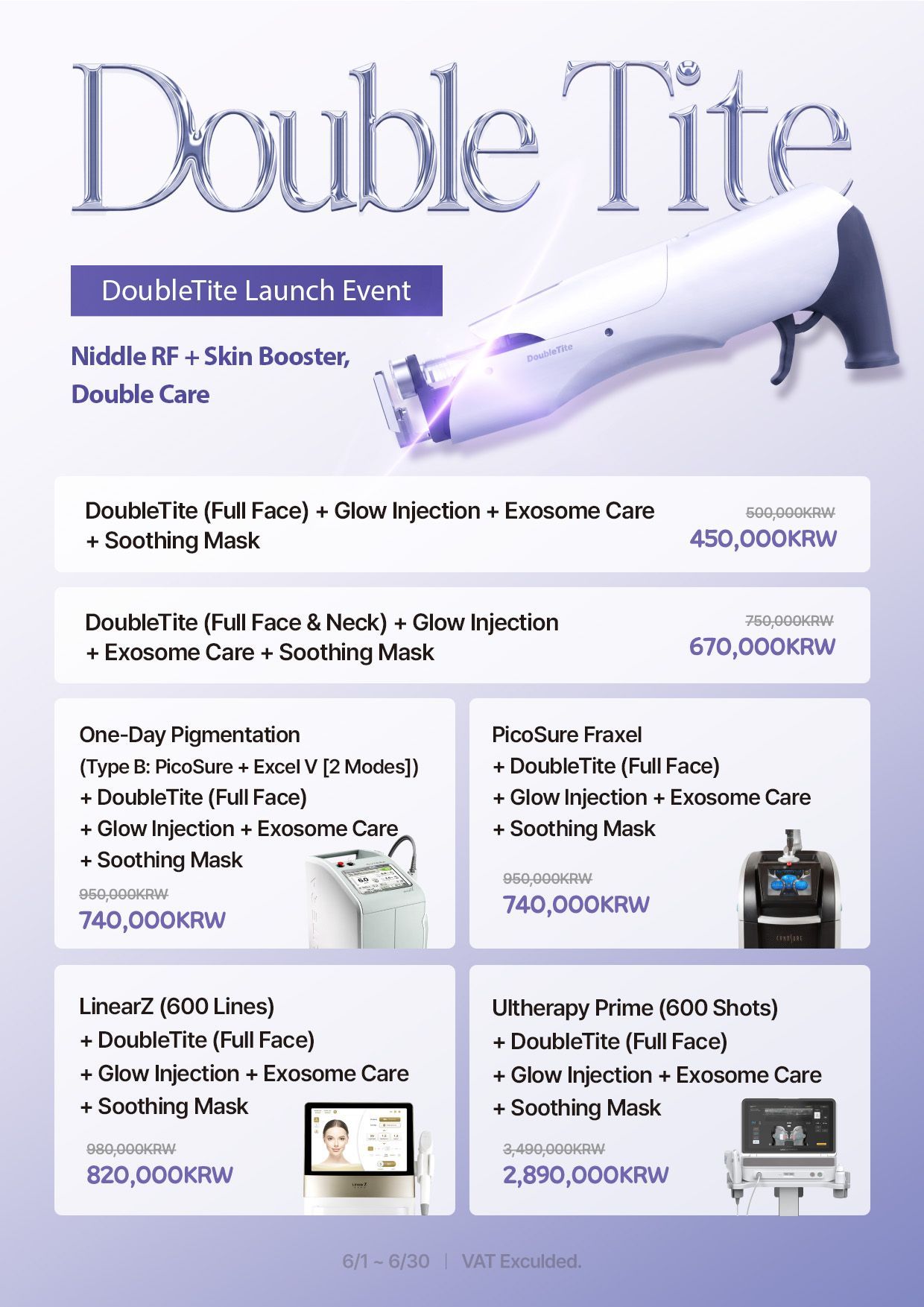
- Combine smartly. Facials pair well with laser toning, boosters or lifting, but your doctor should decide the order.
- Book after your flight. A facial a day or two after arrival helps counter travel dryness.
- Avoid peels before sun-heavy days. If you plan beaches or long outdoor days, choose hydrating facials instead.
- Keep it gentle at home. Moisturise well and wear sunscreen to extend the glow.
What to ask before booking
Ask who performs the facial and whether a doctor reviews your skin first, particularly if you have acne, rosacea or very sensitive skin. Ask which serums are used and whether they contain fragrance or acids that may irritate you. If a facial is sold as part of a package with other treatments, check what is included so you can compare fairly between clinics.
Facials vs medical treatments
Facials are best seen as maintenance. If dullness comes with persistent pigmentation, fine lines or acne scars, ask a doctor about targeted treatments such as laser toning, skin boosters or RF microneedling. Many patients combine a facial with one of these on the same visit, which can give both an immediate glow and longer-term improvement.
Frequently Asked Questions
What is the best Korean facial for dull skin?
Aqua peel is a popular choice for congested, dull skin, while hydrating or oxygen facials suit dehydrated skin. Many clinics combine them with LED.
Do Korean facials have downtime?
Most have none. Mild redness may appear for a few hours after extraction or peels.
How often should I get a facial?
Every two to four weeks is common for maintenance, but your skin type and goals matter.
Can I get a facial before an event?
Yes. Hydrating facials and LED are good options one to three days before an event. Avoid stronger peels shortly beforehand.
This article is for general information only and does not replace a consultation with a licensed physician. Results vary from person to person.