Ultherapy vs InMode: Which Is Better for Facial Lifting?
Ultherapy vs InMode: Which Is Better for Facial Lifting?
Ultherapy and InMode are two popular non-surgical approaches for improving facial firmness, skin laxity, and contour. Both are widely used in aesthetic clinics, including clinics in Korea, but they are not the same type of treatment.
Ultherapy uses microfocused ultrasound with real-time visualization to target specific tissue depths, while InMode refers to a family of radiofrequency-based technologies that can address skin tightening, facial contouring, and tissue remodeling in different ways.
Because “InMode” can refer to different handpieces and treatment platforms, comparing the exact InMode treatment with Ultherapy is important. Forma, Mini FX, and Morpheus8 can have different treatment goals and levels of invasiveness.
What Is Ultherapy?
Ultherapy is a non-invasive ultrasound lifting treatment designed to stimulate collagen remodeling at selected tissue depths. One of its defining features is real-time ultrasound visualization, which allows the provider to assess tissue layers and customize energy delivery according to the patient's anatomy.
Ultherapy can target different depths, including approximately 1.5 mm, 3.0 mm, and 4.5 mm depending on the transducer and treatment plan. This makes it particularly relevant for patients whose primary concern is facial laxity and loss of structural definition.
Ultherapy may be considered for:
- Sagging cheeks
- Early jowling
- Reduced jawline definition
- Loose skin under the chin
- Neck laxity
- Brow-area laxity
- Mild to moderate facial skin laxity
The goal is gradual collagen remodeling and tightening rather than surgical repositioning of facial tissues.
What Is InMode?
InMode is not one single treatment. It is a platform family that includes several radiofrequency-based technologies designed for different aesthetic concerns.
Depending on the handpiece and treatment protocol, InMode can be used for:
- Skin tightening
- Facial contouring
- Mild laxity
- Submental fullness
- Tissue remodeling
- Fine lines and wrinkles
- Skin texture
- Subdermal remodeling
Common InMode technologies include:
- Forma: Non-invasive bipolar RF heating designed for skin and tissue remodeling, firmness, and wrinkle improvement.
- Mini FX: Combines RF energy with vacuum-assisted treatment and is often used for contouring and areas with localized fullness.
- Morpheus8: Uses fractional RF microneedling to deliver RF energy into the skin and subdermal tissue while also addressing skin texture and remodeling.
- Define: Uses RF-based facial technologies designed for areas such as the cheeks, chin, and lower face.
Therefore, the question is not simply whether Ultherapy or InMode is better. It is important to identify which InMode handpiece or technology is being compared with Ultherapy.
Ultherapy vs InMode: Main Difference
The fundamental difference is the type of energy and treatment approach.
Ultherapy:
- Uses microfocused ultrasound
- Is non-invasive
- Can target selected tissue depths
- Uses real-time ultrasound visualization
- Is strongly associated with lifting and tightening
- Can address deeper facial laxity
InMode:
- Primarily uses radiofrequency energy
- Includes several different treatment technologies
- Can be non-invasive or minimally invasive depending on the handpiece
- Can address skin firmness, contour, and tissue remodeling
- Some technologies combine RF with vacuum or microneedling
- Treatment depth and mechanism depend on the specific handpiece
In simple terms, Ultherapy is a specific ultrasound lifting technology, while InMode is a broader RF-based treatment platform with multiple applications.
Which Is Better for Facial Lifting?
If the primary goal is non-surgical lifting of sagging facial tissue, Ultherapy may be the more direct treatment to consider.
Its microfocused ultrasound technology can target specific deeper tissue planes, while real-time visualization allows treatment depth to be selected based on individual anatomy. This can make it particularly relevant for patients concerned about:
- Jawline laxity
- Early jowling
- Sagging lower cheeks
- Loose skin under the chin
- Neck laxity
InMode can also provide a tightening and contouring effect, but the result depends heavily on which InMode technology is used.
For example, Forma focuses more on RF heating and skin/tissue remodeling, while Mini FX may be selected when both tissue tightening and localized fullness are concerns. Morpheus8 combines RF with microneedling and can address both tightening and skin texture.
For a patient specifically asking for a deep non-surgical lifting treatment, Ultherapy may be the more straightforward comparison.
Which InMode Treatment Is Best for Facial Tightening?
Different InMode handpieces can be appropriate for different facial concerns.
Forma may be considered when:
- Skin firmness is the main concern
- Laxity is relatively mild
- Fine lines are visible
- You want non-invasive RF treatment
- You want gradual improvement in skin quality
Mini FX may be considered when:
- The lower face looks fuller
- Submental or localized fullness is a concern
- You want contouring as well as tightening
- Vacuum-assisted RF is appropriate for the treatment area
Morpheus8 may be considered when:
- Skin laxity and texture are both concerns
- Fine lines or uneven texture are present
- You want RF microneedling
- Deeper dermal or subdermal remodeling is desired
- You are comfortable with a treatment that may involve more downtime than non-invasive RF
This distinction is important because an InMode Forma treatment and an InMode Morpheus8 treatment should not be treated as equivalent procedures.
Ultherapy vs InMode for Jawline and Double Chin
For patients concerned about the jawline or area beneath the chin, both treatment approaches may be considered, but they address different aspects of the problem.
Ultherapy may be useful when loose skin and tissue laxity are the primary concerns. Its focused ultrasound approach can target selected deeper tissue layers and support gradual lifting.
Some InMode technologies may be more relevant when facial contour is affected by both laxity and localized fullness. RF-based technologies such as Mini FX can be used for contour-focused treatment, while other InMode platforms can address skin tightening.
The ideal treatment therefore depends on whether the main problem is:
- Loose skin
- Loss of jawline definition
- Localized submental fullness
- Combination of fat and skin laxity
- Reduced skin firmness
If substantial excess skin or significant fat is present, neither energy-based treatment should be expected to reproduce the results of surgical lifting or surgical fat removal.
Which Has Less Downtime?
Downtime depends heavily on the specific InMode technology.
Ultherapy is non-invasive and generally allows patients to return to normal activities quickly. Temporary redness, swelling, tenderness, or sensitivity may occur after treatment.
InMode treatments vary considerably.
Forma is non-invasive and generally has minimal downtime, while Mini FX can also involve relatively little recovery. Morpheus8 is different because it uses microneedles, so temporary redness, swelling, pinpoint marks, or sensitivity can occur and recovery may be more noticeable.
For international patients traveling to Korea, the distinction can be important.
If you have a short itinerary and want minimal visible recovery, you may prefer to discuss:
- Ultherapy
- Non-invasive Forma
- Other non-invasive RF treatments
If you are comfortable allowing more recovery time for additional skin-texture benefits, Morpheus8 may be considered.
Results and Treatment Frequency
Ultherapy and InMode treatments rely on collagen remodeling and tissue response, so results generally develop progressively rather than functioning like an immediate surgical lift.
With Ultherapy, improvement in firmness and facial contour can become more noticeable as collagen remodeling continues after treatment.
InMode results depend on the specific technology. RF-based treatments may improve firmness and skin quality progressively, while treatments involving contouring or microneedling may produce additional changes related to tissue remodeling and skin renewal.
Results can vary according to:
- Age
- Degree of skin laxity
- Facial anatomy
- Skin thickness
- Treatment area
- Energy settings
- Number of treatment sessions
- Provider technique
- Individual collagen response
- Lifestyle and sun exposure
Treatment frequency also differs. Some patients may undergo a single lifting-focused treatment, while certain RF or RF microneedling protocols are performed as a series.
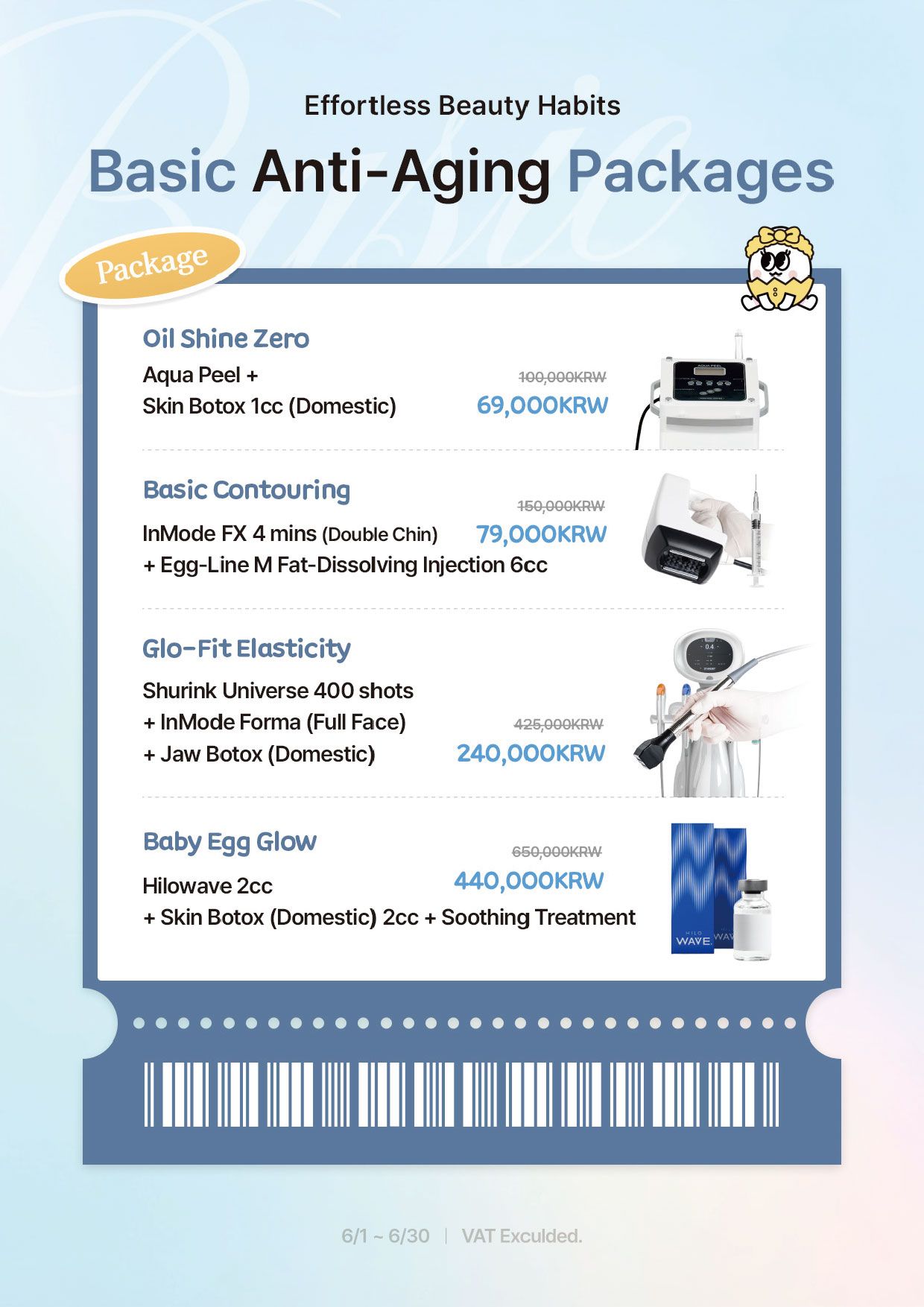
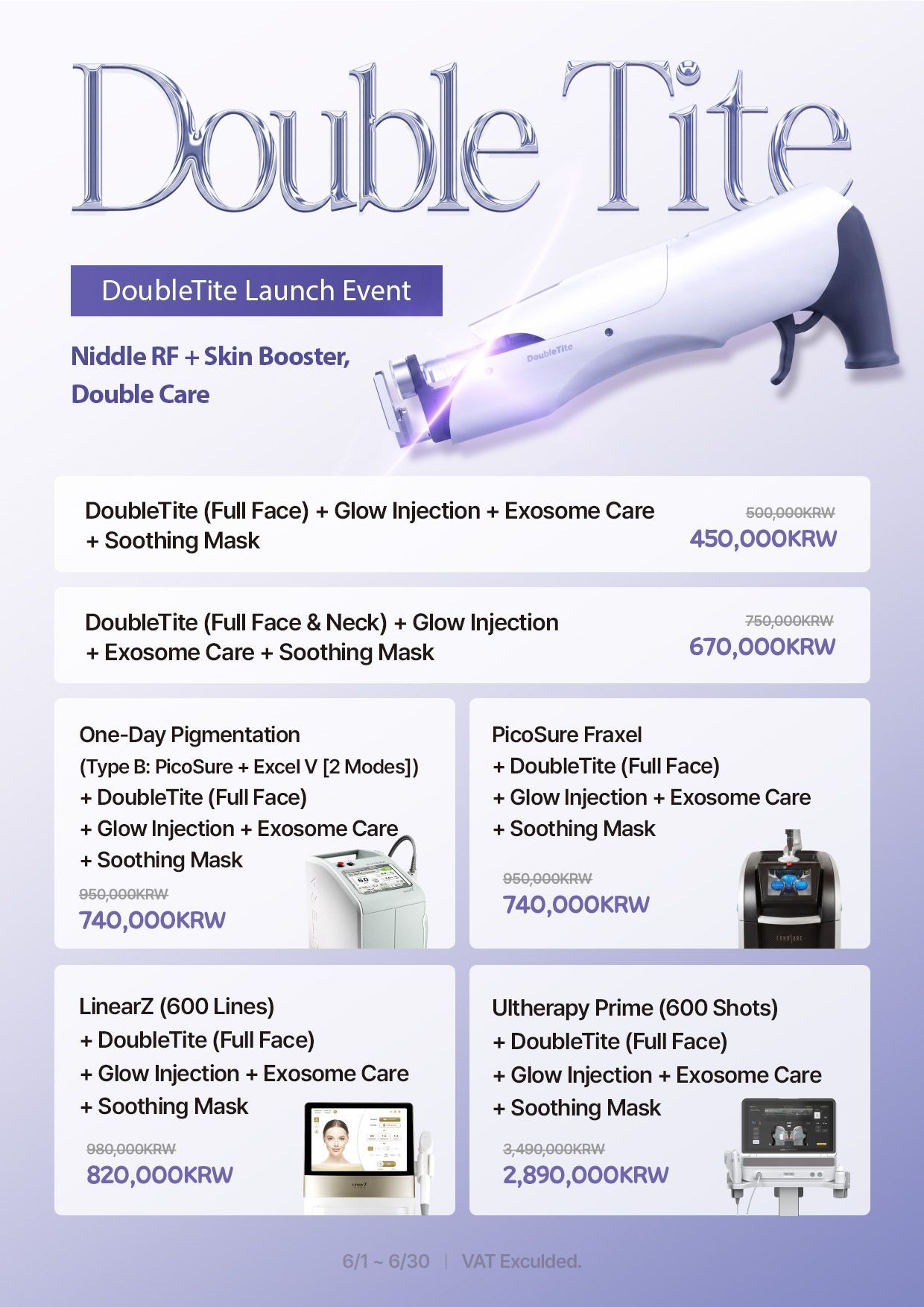
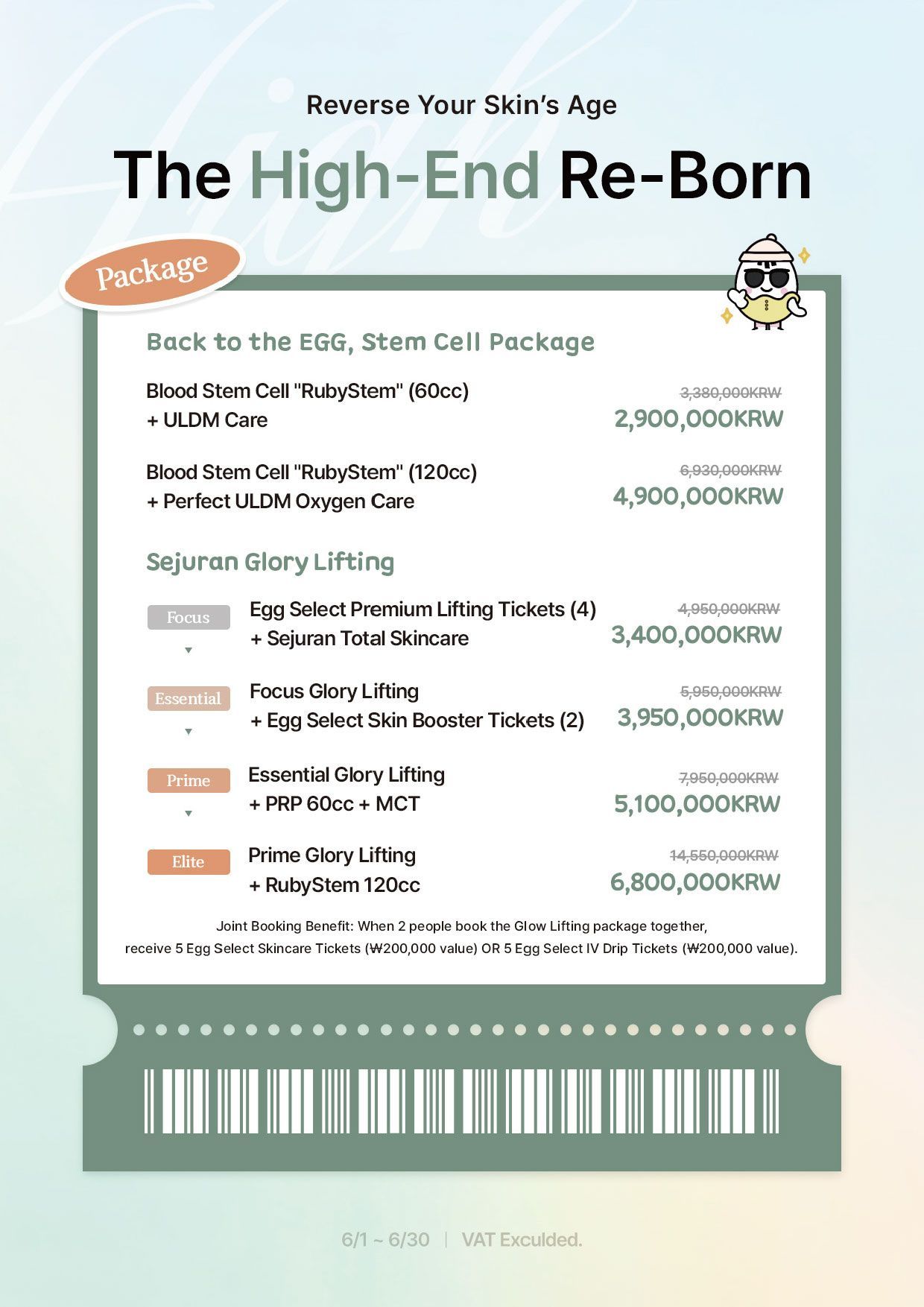
Ultherapy vs InMode Price in Korea
Prices for Ultherapy and InMode treatments in Korea can vary substantially because the treatment amount, technology, and treatment area are different.
Ultherapy pricing is commonly influenced by the number of treatment lines and the areas being treated. InMode pricing depends on the specific handpiece, treatment area, number of passes or sessions, and whether the goal is tightening, contouring, or skin remodeling.
When comparing prices, check:
- Exact device and handpiece
- Number of Ultherapy lines
- Number of InMode passes or treatment areas
- Face-only versus face-and-neck treatment
- Whether multiple InMode technologies are being combined
- Whether the treatment is physician-led
- Whether VAT is included
- Whether aftercare is included
Budget clinics: lower
Premium doctor-led clinics: higher but more precise
A low InMode price may not represent the same treatment as another clinic's InMode package because the handpiece and treatment protocol can be completely different.
How to Choose Between Ultherapy and InMode
Your primary concern is the best starting point for choosing between these treatments.
Ultherapy may be a better option to discuss if:
- Your main concern is facial sagging
- You want stronger jawline definition
- You have early jowling
- You have loose skin around the neck
- You want a non-invasive lifting-focused treatment
- Real-time ultrasound visualization is important to you
InMode may be a better option to discuss if:
- You want RF-based skin tightening
- Mild laxity is your primary concern
- You also have localized facial fullness
- You want to address skin texture as well as firmness
- You are interested in RF microneedling
- You want a treatment that can be customized through different InMode technologies
If your concerns involve both laxity and facial fullness, a clinic may recommend a combination approach. However, more treatments are not automatically better. The treatment plan should be based on facial anatomy and the specific problem being treated.
Final Thoughts
Ultherapy and InMode can both play a role in non-surgical facial rejuvenation, but they are fundamentally different treatment categories. Ultherapy uses microfocused ultrasound with real-time visualization and is particularly suited to patients looking for a lifting-focused approach to facial laxity.
InMode is a broader RF-based platform. Forma, Mini FX, Morpheus8, and other InMode technologies have different mechanisms and treatment goals, ranging from skin tightening and contouring to RF microneedling and tissue remodeling.
In simple terms, Ultherapy may be the better choice when deeper non-surgical lifting is the main goal, while InMode may offer more flexibility when tightening, contouring, skin quality, or localized fullness are also concerns.
The most appropriate treatment depends on your degree of laxity, facial volume, skin quality, desired outcome, and the exact InMode technology being offered. A personalized assessment by a qualified medical professional is the best way to determine which approach is appropriate for your face.