How Many Ultherapy Shots Do You Need? 300 vs 600 Shots
How Many Ultherapy Shots Do You Need? 300 vs 600 Shots
One of the most common questions patients ask before Ultherapy is, “How many shots do I need?” In Korea, Ultherapy treatments are frequently advertised in packages such as 300 shots or 600 shots, making it tempting to assume that the higher number will automatically produce better lifting.
However, Ultherapy treatment is not simply about maximizing the number of shots. The appropriate number depends on the treatment area, degree of skin laxity, facial anatomy, tissue thickness, and the depth at which energy needs to be delivered.
For some patients, 300 shots may be sufficient for a targeted area. Others may benefit from a broader 600-shot treatment. The goal should be to use an appropriate number of treatment lines in the right locations and at appropriate depths rather than choosing the largest package available.
What Does an Ultherapy Shot Mean?
Ultherapy is commonly described by the number of treatment lines, sometimes called shots. Each treatment line delivers a series of focused ultrasound energy points into a selected tissue layer.
The line count essentially describes the amount and distribution of treatment delivered, rather than representing a simple “strength” level.
The final treatment plan can vary according to:
- Treatment area
- Facial size and shape
- Degree of skin laxity
- Tissue thickness
- Subcutaneous fat distribution
- Target tissue depth
- Facial contour
- Desired lifting effect
- Previous aesthetic treatments
Ultherapy systems can use different transducers to target different depths, so two patients receiving the same total number of lines may still have very different treatment plans.
How Many Ultherapy Shots Do You Need?
There is no universal shot count that is appropriate for every patient.
A 300-shot treatment may be considered when the treatment is focused on a limited area or when the patient's laxity is relatively mild. A 600-shot treatment may be considered when a larger portion of the face needs to be treated or when more comprehensive lifting is desired.
As a general guide:
- Around 300 shots: Often considered for targeted or limited treatment areas
- Around 600 shots: Often considered for broader facial lifting and tightening
- More than 600 shots: May be considered when additional areas such as the neck are included or when broader coverage is appropriate
These are not fixed medical rules. The correct number should be determined after assessing the patient's facial anatomy and treatment goals.
Ultherapy 300 Shots: Who Is It For?
A 300-shot treatment can be a practical option when the primary concern is limited to a particular facial area rather than the entire face.
It may be considered for patients with:
- Mild facial laxity
- Early signs of aging
- A localized double-chin concern
- Mild jawline laxity
- Early loss of facial definition
- A specific area that needs a lifting-focused treatment
- A desire for a more targeted treatment approach
For example, a patient whose primary concern is the area beneath the chin may not need the same number of lines as someone seeking comprehensive treatment of the cheeks, jawline, and neck.
The important question is therefore not simply “Is 300 enough?” but rather “What areas will the 300 lines treat, and how will they be distributed?”
Ultherapy 600 Shots: Who Is It For?
A 600-shot treatment may be more appropriate when a larger facial area needs to be addressed.
It may be considered for patients with:
- More widespread facial laxity
- Reduced jawline definition
- Sagging cheeks
- Early to moderate jowling
- Multiple areas of facial aging
- A goal of overall facial tightening
- A treatment plan covering broader facial zones
A 600-line treatment allows more extensive coverage than a 300-line treatment, but the additional lines only make sense when there is an appropriate treatment area to cover.
For some patients, 600 shots may be distributed across the cheeks, jawline, lower face, and submental region. Another patient may receive a different distribution depending on facial anatomy and the provider's treatment strategy.
Ultherapy 300 vs 600 Shots: What Is the Difference?
The primary difference between 300 and 600 shots is generally treatment coverage and line density, not simply treatment intensity.
300 shots may be suitable when:
- Treatment is focused on a limited area
- Laxity is mild
- A targeted jawline or submental treatment is desired
- Only selected facial zones require treatment
- The goal is localized contour improvement
600 shots may be suitable when:
- A broader portion of the face needs treatment
- Multiple areas show laxity
- More comprehensive facial tightening is desired
- The cheeks and jawline both need attention
- A wider treatment map is appropriate
In other words, 600 shots are not automatically twice as effective as 300 shots. The final outcome depends heavily on where those lines are placed, which tissue depths are selected, and whether the treatment plan matches the patient's anatomy.
Is 600 Shots Better Than 300 Shots?
Not necessarily.
A higher line count can provide broader treatment coverage, but more treatment is not automatically better for every face. Ultherapy should be customized according to the amount and location of laxity rather than treated as a simple numbers-based procedure.
For example, a patient with a relatively thin face and minimal laxity may not benefit from simply increasing the number of lines. Inappropriate treatment planning can potentially contribute to an overly hollow or gaunt appearance if energy is delivered excessively or in unsuitable areas.
On the other hand, a patient with broader laxity may not achieve the desired coverage from a limited 300-line treatment.
The better question is:
- Where will the lines be placed?
- Which tissue depths will be treated?
- How many lines will each area receive?
- Is the jawline included?
- Is the submental area included?
- Is the neck included?
- Does the treatment plan match the patient's facial anatomy?
Why Ultherapy Line Distribution Matters
The number of lines is only one part of an Ultherapy treatment plan. Distribution can be equally important.
Ultherapy uses focused ultrasound at selected depths, and the provider can use real-time visualization to help identify tissue layers and plan treatment.
A customized treatment plan may consider:
- Cheeks
- Lower face
- Jawline
- Submental area
- Neck
- Brow region
- Different ultrasound treatment depths
For example, two patients could both receive 600 lines but have different results because the lines were distributed differently according to their facial structure.
This is why patients should be cautious about comparing Ultherapy solely by package size. A lower number of well-placed lines may be more appropriate than a higher number delivered without sufficient consideration of anatomy.
Does Your Age Determine Whether You Need 300 or 600 Shots?
Age alone should not determine the number of Ultherapy shots.
Two people of the same age can have completely different levels of skin laxity, facial fat distribution, skin thickness, and collagen loss.
Instead, the treatment plan may take into account:
- Degree of skin sagging
- Facial structure
- Skin thickness
- Subcutaneous fat
- Jawline definition
- Treatment area
- Desired outcome
- Previous procedures
A younger patient with early laxity may benefit from a targeted treatment, while another patient of the same age may have more extensive laxity and require broader coverage.
Likewise, being older does not automatically mean that 600 shots or more are necessary.
300 vs 600 Shots: Which Should You Choose in Korea?
If you are considering Ultherapy in Korea, do not choose a package based only on the advertised shot count.
Before booking, ask the clinic:
- What exact areas are included?
- How many lines will be used on each area?
- Which treatment depths will be used?
- Is the treatment performed with real-time ultrasound visualization?
- Is the device an authentic Ultherapy system?
- Are face and neck treated separately?
- Is the quoted price based on the actual treatment plan?
- Who will perform the treatment?
For international patients, these questions are particularly useful because clinics may advertise 300- or 600-shot packages differently.
A package labeled “600 shots” at one clinic may cover the face only, while another package may include additional areas. Comparing the treatment map is therefore more meaningful than comparing the number alone.
Ultherapy 300 vs 600 Shots: Cost Considerations
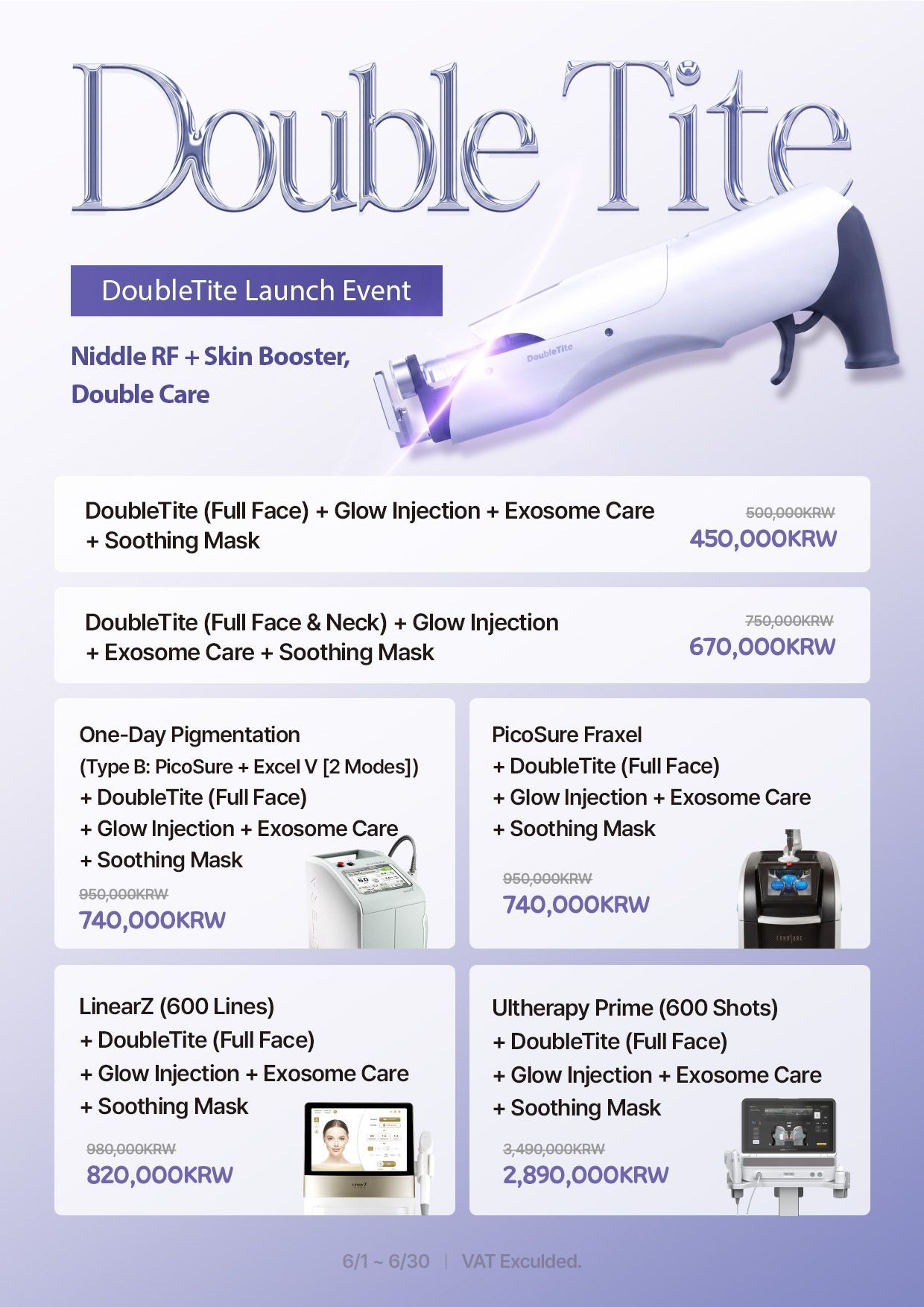
Ultherapy pricing in Korea varies according to the clinic, treatment area, line count, device, and treatment protocol. In general, 600-shot treatments cost more than 300-shot treatments because they involve a larger amount of treatment.
When comparing prices, consider:
- Number of lines
- Treatment areas
- Face-only versus face and neck
- Treatment depth
- Physician-led treatment
- Device and transducer authenticity
- VAT inclusion
- Additional anesthesia or comfort measures
- Aftercare
Budget clinics: lower
Premium doctor-led clinics: higher but more precise
A low advertised price should not automatically be interpreted as a better deal. The amount of treatment and how the lines are distributed are important when comparing Ultherapy packages.
Final Thoughts
There is no single Ultherapy shot count that is right for everyone. Around 300 shots may be appropriate for targeted treatment, while around 600 shots may be considered for broader facial lifting and tightening. However, these numbers are general treatment ranges rather than universal rules.
The most important factors are the treatment area, facial anatomy, skin laxity, tissue thickness, fat distribution, treatment depth, and how the lines are distributed.
If you are deciding between 300 and 600 shots, focus less on which package has the bigger number and more on whether the proposed treatment map matches your face. A personalized assessment with appropriate ultrasound visualization can help determine how many lines and which depths are appropriate for your individual lifting goals.