Ultherapy vs HIFU: What’s the Difference?
Ultherapy vs HIFU: What’s the Difference?
Ultherapy and HIFU are both non-surgical ultrasound-based treatments that can help improve skin laxity, firmness, and facial contour. Because both use high-intensity focused ultrasound energy, they are sometimes described as similar lifting treatments. However, Ultherapy is a specific FDA-cleared ultrasound device and technology, while HIFU is a broader category of ultrasound-based treatment systems.
The main differences involve the device technology, treatment depth, visualization, energy delivery, treatment customization, and clinical protocol. Understanding these differences can help patients choose the most appropriate lifting treatment for their skin concerns.
What Is Ultherapy?
Ultherapy is a non-invasive focused ultrasound treatment designed to stimulate collagen remodeling in targeted tissue layers. One of its key features is real-time ultrasound visualization, which allows the provider to see tissue structures and select appropriate treatment depths before delivering energy.
Ultherapy can use different transducers to target selected depths, including superficial and deeper tissue layers. This makes it possible to customize treatment according to the patient's facial anatomy and degree of laxity.
Ultherapy may be considered for:
- Mild to moderate facial sagging
- Early jowling
- Reduced jawline definition
- Loose skin beneath the chin
- Neck laxity
- Brow-area laxity
- General loss of skin firmness
Its main objective is gradual collagen remodeling and lifting rather than surgically repositioning facial tissue.
What Is HIFU?
HIFU stands for High-Intensity Focused Ultrasound. It describes a technology that uses concentrated ultrasound energy to create controlled thermal effects at selected depths beneath the skin.
There are many different HIFU devices and treatment systems available. Their specifications, treatment depths, energy delivery methods, visualization capabilities, and treatment protocols can vary considerably.
Depending on the device, HIFU treatments may be used for:
- Facial skin tightening
- Mild skin laxity
- Jawline definition
- Double-chin concerns
- Neck tightening
- Collagen stimulation
- General facial contour improvement
Because HIFU is a broad category rather than one specific device, the quality and characteristics of a HIFU treatment cannot be determined simply from the word “HIFU.”
Ultherapy vs HIFU: The Main Difference
The most important distinction is that Ultherapy is a specific branded ultrasound treatment system, whereas HIFU refers to a broader treatment technology.
Ultherapy:
- Is a specific ultrasound device and treatment platform
- Uses microfocused ultrasound energy
- Provides real-time ultrasound visualization
- Allows the provider to assess tissue layers during treatment
- Uses different transducers for different treatment depths
- Is commonly used for non-surgical lifting and collagen remodeling
HIFU:
- Refers to high-intensity focused ultrasound technology
- Includes multiple devices and manufacturers
- Treatment depths and energy specifications vary by device
- Some systems may have visualization features, while others may not
- Can be used for skin tightening and facial contouring depending on the device
Therefore, saying “Ultherapy vs HIFU” is not exactly the same as comparing two individual machines. It is more accurate to think of Ultherapy as one specific treatment system within the wider landscape of ultrasound-based lifting technologies.
Is Ultherapy Stronger Than HIFU?
It is difficult to say that Ultherapy is simply “stronger” than HIFU because HIFU devices can have different energy outputs, treatment depths, cartridge designs, and treatment protocols.
The important question is not only how much energy is used but where the energy is delivered and how precisely the treatment is performed.
Ultherapy's real-time visualization can help the provider identify relevant tissue layers and select appropriate treatment depths. Other HIFU systems may use different approaches depending on their design.
Treatment results can therefore depend on:
- The specific device
- Treatment depth
- Energy settings
- Number of lines or shots
- Treatment area
- Provider experience
- Patient anatomy
- Degree of skin laxity
- Individual collagen response
A higher energy setting does not necessarily mean a better lifting result. Precise treatment planning and appropriate energy delivery are equally important.
Which Is Better for Facial Sagging?
Ultherapy may be particularly attractive for patients who want a more structured approach to treating facial laxity because its visualization technology allows the provider to assess tissue layers while planning treatment.
It may be considered for concerns such as:
- Early jowling
- Sagging cheeks
- Loss of jawline definition
- Loose skin under the chin
- Neck laxity
- Mild to moderate facial aging
HIFU can also be effective for tightening and contour improvement, particularly when an appropriate device and treatment protocol are selected. However, because HIFU encompasses many different devices, the expected result can vary considerably between clinics.
For this reason, patients considering HIFU should ask which specific device will be used rather than choosing a treatment solely because it is advertised as “HIFU.”
Which Is Better for Skin Firmness and Collagen?
Both Ultherapy and HIFU can stimulate collagen remodeling by creating controlled thermal effects beneath the skin.
Ultherapy is designed to create focused treatment points at specific tissue depths, while different HIFU systems may use different depths and energy-delivery patterns.
Both treatments may gradually improve:
- Skin firmness
- Mild laxity
- Facial contour
- Jawline definition
- Overall tightness
- Signs of collagen loss
However, collagen response is highly individual. Age, skin quality, degree of laxity, lifestyle, and treatment settings can all affect the final result.
For patients with significant excess skin, ultrasound lifting treatments have limitations and should not be considered a replacement for surgical facelift procedures.
Ultherapy vs HIFU: Comfort and Downtime
Both treatments are non-surgical and generally require little downtime, but the treatment sensation can vary depending on the device and settings.
Ultherapy may produce brief sensations of:
- Tingling
- Heat
- Prickling
- Deeper tenderness
- Localized sensitivity
HIFU treatments can produce similar sensations, although comfort varies significantly between different HIFU devices.
After treatment, temporary effects may include:
- Mild redness
- Swelling
- Tenderness
- Sensitivity
- Temporary tightness
Most patients can resume normal activities relatively quickly, but individual recovery can vary. Patients traveling to Korea should still allow some flexibility in their itinerary in case temporary swelling or sensitivity occurs.
Ultherapy vs HIFU Results and Treatment Frequency
Both treatments rely on gradual collagen remodeling rather than an immediate surgical lifting effect.
Some patients may notice an initial tightening sensation, but visible improvement generally develops progressively over time.
The longevity of results can vary depending on:
- Age
- Skin laxity
- Collagen production
- Treatment intensity
- Treatment area
- Lifestyle
- Sun exposure
- Natural aging
The frequency of HIFU treatments can differ depending on the specific device and treatment protocol. Ultherapy treatment schedules also vary according to the patient's condition and treatment goals.
Rather than following a fixed schedule based solely on the device name, treatment frequency should be determined according to the patient's response and clinical assessment.
How Much Does Ultherapy or HIFU Cost in Korea?
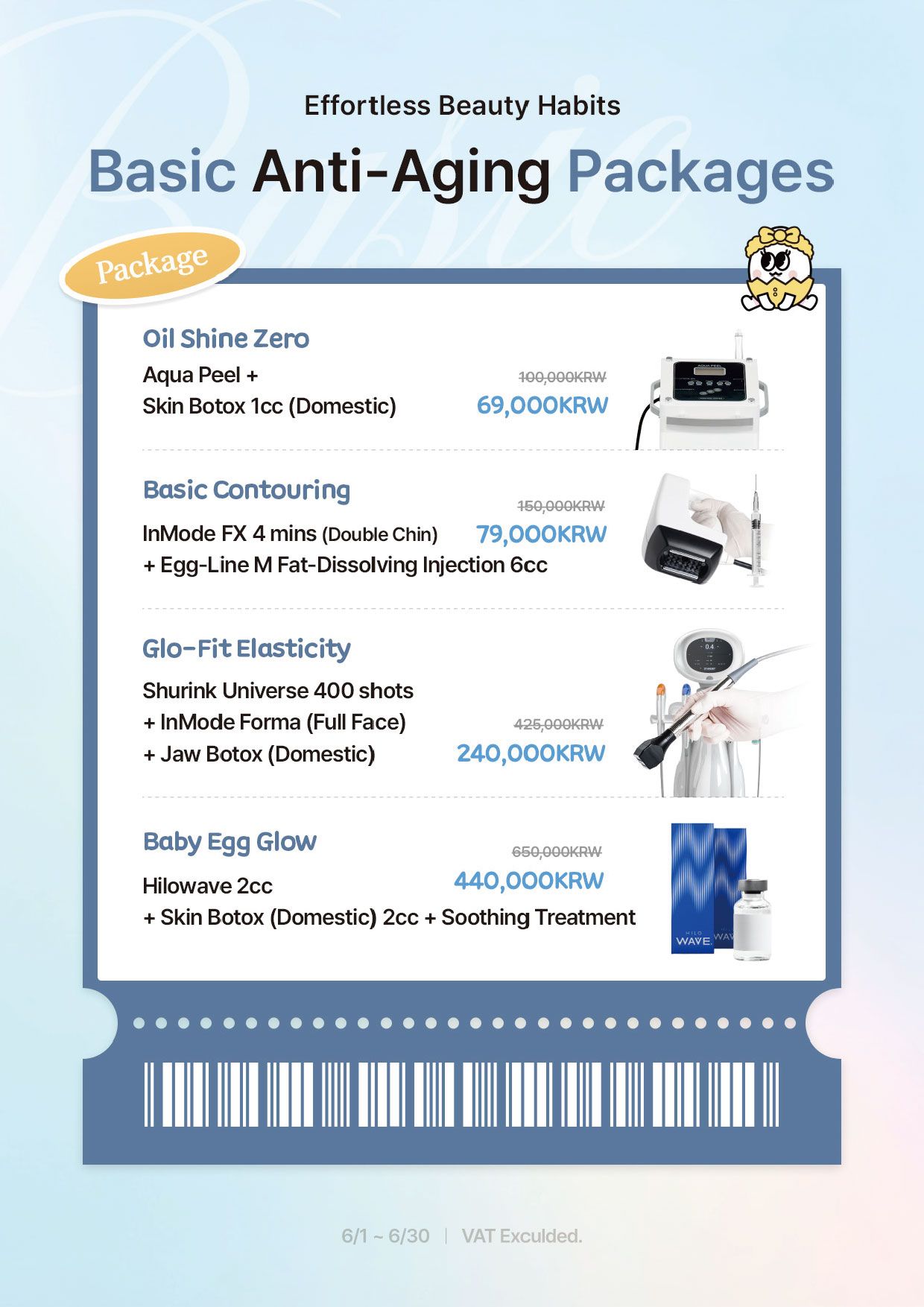
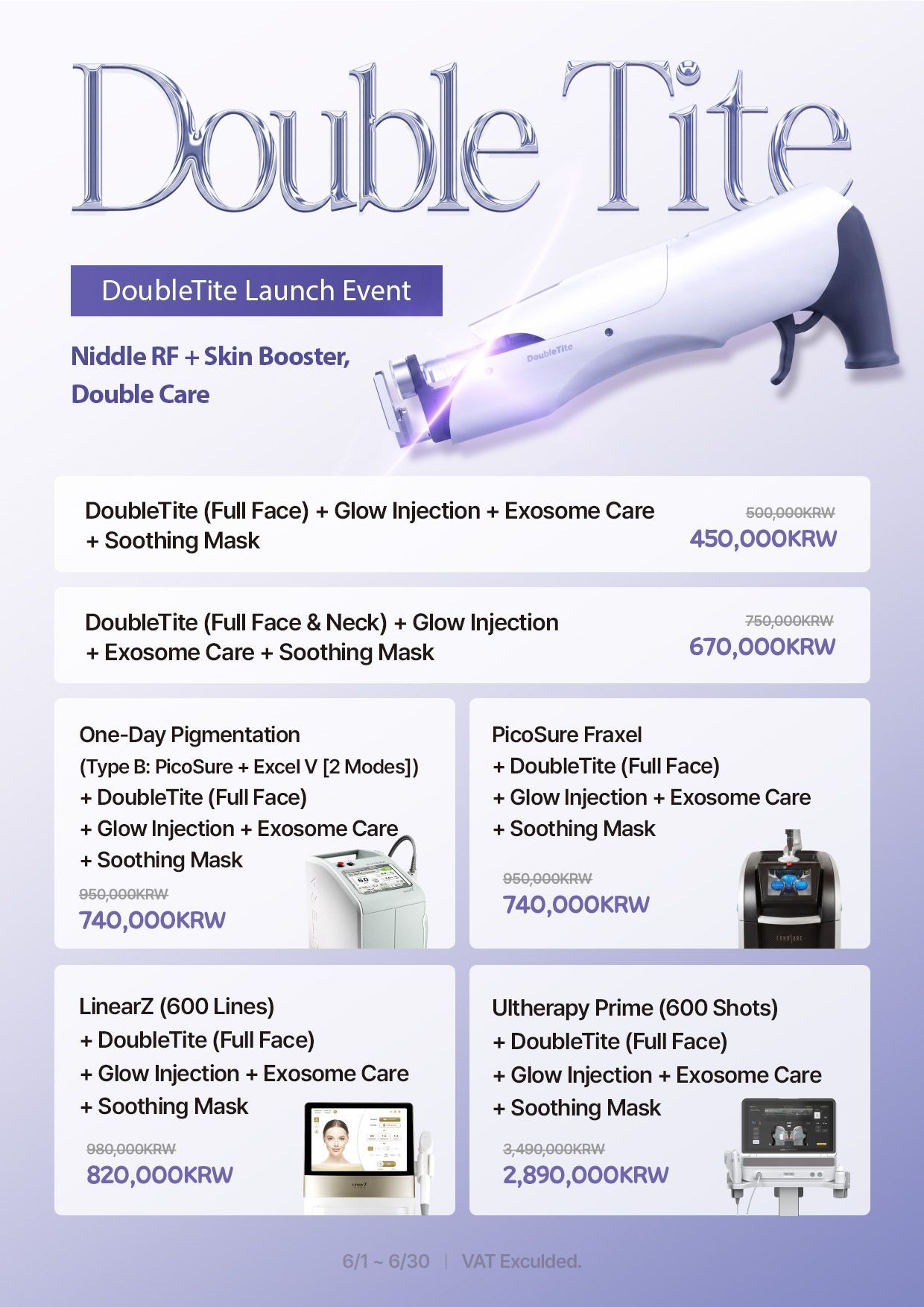
Ultrasound lifting treatment prices in Korea can vary significantly. Ultherapy is often priced according to the number of lines and treatment areas, while HIFU pricing depends heavily on the specific device, treatment coverage, and number of shots or lines.
When comparing prices, check:
- The exact device being used
- Number of Ultherapy lines or HIFU shots
- Treatment area
- Face-only versus face-and-neck treatment
- Physician-led treatment
- Whether VAT is included
- Whether the quoted price includes aftercare
- Whether the treatment is part of a promotional package
Budget clinics: lower
Premium doctor-led clinics: higher but more precise
A very low advertised price does not necessarily mean the same treatment is being offered. For HIFU in particular, confirming the exact device and treatment amount is important because the term covers many different systems.
How to Choose Between Ultherapy and HIFU
The right option depends on your skin condition, treatment goals, and the specific HIFU device being offered.
Ultherapy may be worth considering if:
- You want a specific branded ultrasound treatment
- Real-time tissue visualization is important to you
- Your main concern is facial laxity
- You want treatment customized to different tissue depths
- You are concerned about jawline or neck laxity
HIFU may be worth considering if:
- You are looking for a non-surgical tightening treatment
- Your skin laxity is mild
- You want to compare different ultrasound devices
- You have a specific HIFU system recommended for your concerns
- Treatment cost is an important consideration
For international patients, it is particularly useful to confirm the exact HIFU device, treatment amount, treatment areas, and provider credentials before booking. Comparing the actual treatment protocol is more meaningful than comparing the words “Ultherapy” and “HIFU” alone.
Final Thoughts
Ultherapy and HIFU are closely related because both use focused ultrasound energy for non-surgical skin tightening, but they are not identical treatments. Ultherapy is a specific ultrasound treatment system with real-time visualization and multiple treatment depths, while HIFU is a broader category that includes many different devices and protocols.
Ultherapy may be preferable for patients who prioritize tissue visualization, treatment-depth customization, and a structured approach to facial lifting. HIFU can be a useful option when an appropriate device and personalized treatment protocol are selected.
Ultimately, the best lifting treatment is not determined simply by the device name or energy type. Your degree of skin laxity, facial anatomy, treatment goals, the exact device being used, and the provider's treatment technique all play important roles in achieving a natural-looking result.