PDRN Injections in Korea: Benefits and Realistic Expectations

PDRN injections use polydeoxyribonucleotide, a DNA-derived ingredient usually sourced from salmon, to support skin repair, hydration and texture. In Korea they are one of the most popular skin boosters, often under brand names such as Rejuran, and are typically given as a course of two to four sessions. Results are gradual and subtle: healthier-looking, smoother skin rather than lifting or added volume.
"PDRN" and "PN" are often used loosely in Korean clinics. Both refer to DNA fragments, with PN (polynucleotide) generally made of longer chains. This article uses "PDRN injections" in the broad sense patients search for, and explains what they can and cannot do.
What Is PDRN and How Does It Work?
PDRN is made of purified DNA fragments. Research suggests these fragments can support tissue repair pathways, reduce inflammation and encourage fibroblasts, the cells that make collagen. In medicine, PDRN has been used in wound healing and tissue regeneration before becoming popular in aesthetics.
In the skin, the aim is to create a better environment for repair. Patients usually describe the result as skin that looks healthier, more even and less fragile.
PDRN vs PN
- PDRN: shorter DNA fragments, often used in milder formulas, sometimes in topical serums or combined boosters.
- PN (polynucleotides): longer chains with a slightly thicker texture, used in products such as Rejuran Healer, Rejuran i (for under-eyes) and Rejuran S (for scars).
Your doctor will choose the product type based on your concern and skin thickness.
Who Are PDRN Injections For?
PDRN and PN boosters are often recommended for:
- Thin, sensitive or easily irritated skin
- Fine lines and crepey texture, including under the eyes
- Dull skin and enlarged pores
- Recovery support after lasers or acne
- Shallow acne scars, as part of a combination plan
They are not designed for sagging, deep wrinkles or volume loss. If those are your main concerns, a doctor may suggest lifting treatments or fillers, possibly combined with a booster.
Who should not have them
A licensed physician should assess you first. PDRN injections are generally avoided if you are pregnant or breastfeeding, have a fish or salmon allergy, have an active infection or inflammation in the area, or have a bleeding disorder. Mention any blood thinners, supplements such as fish oil, and recent treatments.
Sessions and How Long Results Last
A common plan in Korea is two to four sessions spaced two to four weeks apart, with maintenance every few months. Some patients book a single session before an event, though results are usually better after a short course.
Most people notice skin feeling firmer and smoother over two to four weeks after each session. Because PDRN supports the skin's own processes, improvements tend to build gradually rather than appearing overnight.
Downtime and Side Effects
PDRN injections are known for visible but temporary bumps. Expect:
- Small raised bumps at injection points, usually settling within one to three days
- Redness and mild swelling for a day or two
- Occasional bruising that may take up to a week to fade
- Tenderness, and a stinging sensation during injection
Rare risks include infection, persistent lumps and allergic reactions. Choosing a doctor who uses sterile technique and genuine products lowers these risks.
Does it hurt?
PN products are thicker than many HA boosters and can feel more uncomfortable. Numbing cream is standard, and some clinics offer cannula techniques or blended products with lidocaine to make it more comfortable.
How to Choose a PDRN Treatment in Gangnam
- Ask which product is used."PDRN" can describe many products with different concentrations. Ask for the brand name and to see the sealed packaging.
- Ask about injection technique. Manual injections allow precise placement; injector devices can be faster and more even. Both can work well in skilled hands.
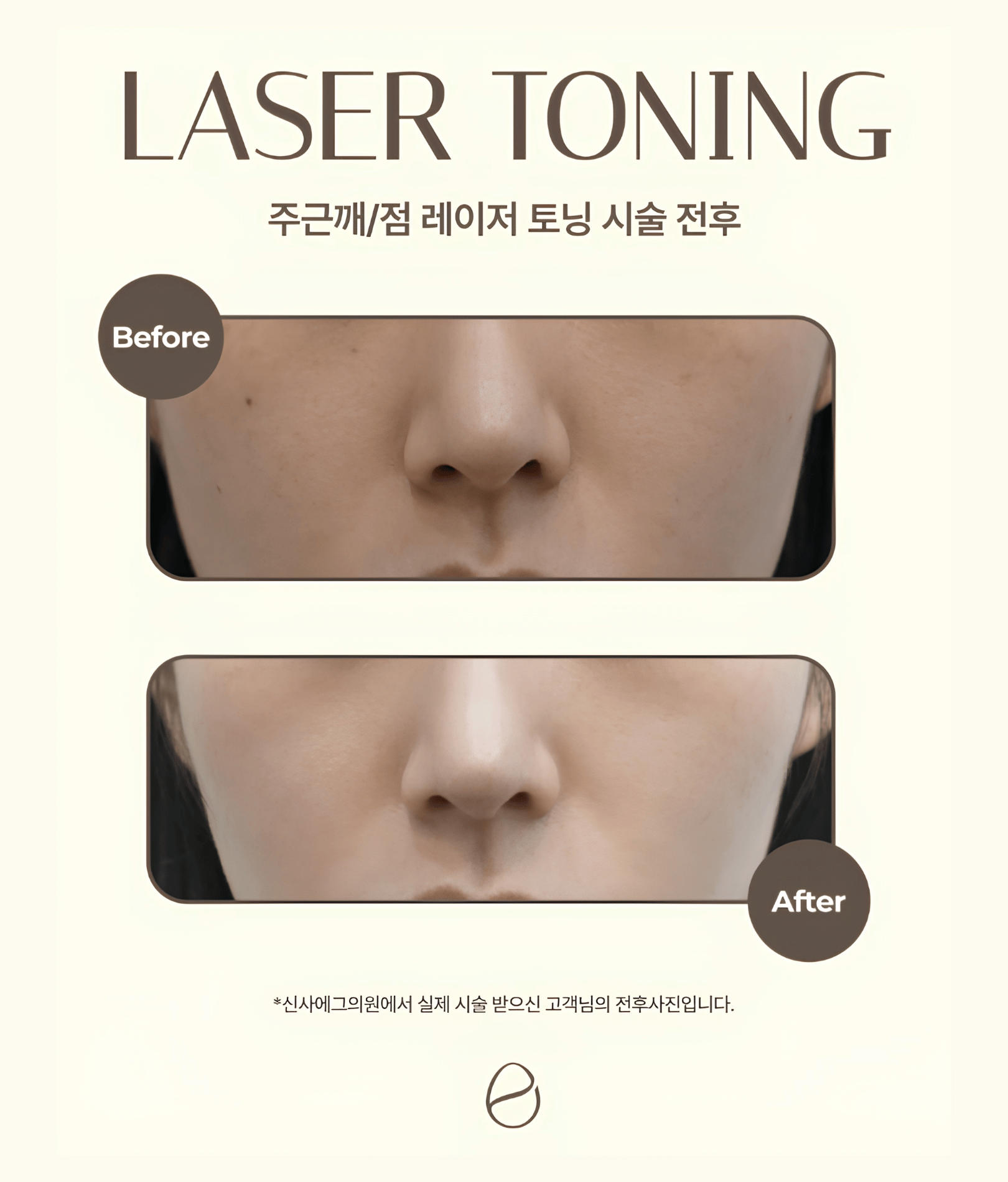
- Combine thoughtfully. PDRN pairs well with laser toning or gentle lifting, but stacking too many treatments in one visit can increase irritation.
- Check the price per syringe. Published prices in Gangnam for Rejuran start from around ₩200,000 (≈ $150), depending on the product type and volume. Prices vary by clinic and change over time.
Practical Tips for Visitors to Korea
- Book PDRN at least two to three days before an important event or flight, so bumps have time to settle.
- Avoid saunas, hot baths, alcohol and intense exercise for 24 hours.
- Do not rub or massage the treated area unless your doctor tells you to.
- Apply sunscreen daily and keep skincare gentle for a few days.
- If you can visit Korea more than once a year, plan a short course on one trip and maintenance on the next.
Frequently Asked Questions
Is PDRN the same as Rejuran?
Rejuran is a well-known brand of polynucleotide (PN) boosters. PDRN and PN are related DNA-derived ingredients, and many patients use the terms interchangeably, but products differ in chain length and concentration.
How soon will I see results from PDRN?
Most people notice smoother, more hydrated-looking skin within two to four weeks, with clearer improvement after two or three sessions.
Can PDRN help acne scars?
It can help as part of a combination plan, especially for shallow scars and recovery after RF microneedling or lasers. Deeper scars usually need other treatments as well.
Is PDRN safe for sensitive skin?
It is often chosen for sensitive skin because it supports repair. Temporary bumps and redness are common, and anyone with a fish allergy should avoid it.
This article is for general information only and does not replace a consultation with a licensed physician. Results vary from person to person.