Exosome Therapy in Korea: What the Evidence Says

Exosome therapy in Korean skin clinics uses lab-produced extracellular vesicles, usually applied after microneedling or lasers, to support skin recovery, tone and texture. Early laboratory and small clinical studies are encouraging, but the evidence in humans is still limited and products vary widely. It is best seen as a supportive add-on rather than a stand-alone treatment with predictable results.
Exosomes have become one of the most talked-about trends in Korean aesthetics. Many clinics in Gangnam offer them, and the marketing can be enthusiastic. This article explains what exosomes are, what is actually known, and how to make a careful decision.
What Are Exosomes?
Exosomes are tiny vesicles that cells release to communicate with one another. They carry proteins, lipids and genetic material such as microRNA, which can influence how neighbouring cells behave. In research settings, exosomes from certain stem cells appear to send signals linked to repair, reduced inflammation and collagen production.
Cosmetic exosome products are generally derived from cultured cells (for example, stem cells from various sources) or, in some products, from plants. They are processed into a serum or freeze-dried powder that is reconstituted before use.
How clinics use them
- After microneedling or RF microneedling, so the product can reach deeper into the skin through tiny channels
- After fractional lasers, to support recovery and reduce redness
- As part of scalp treatments for thinning hair
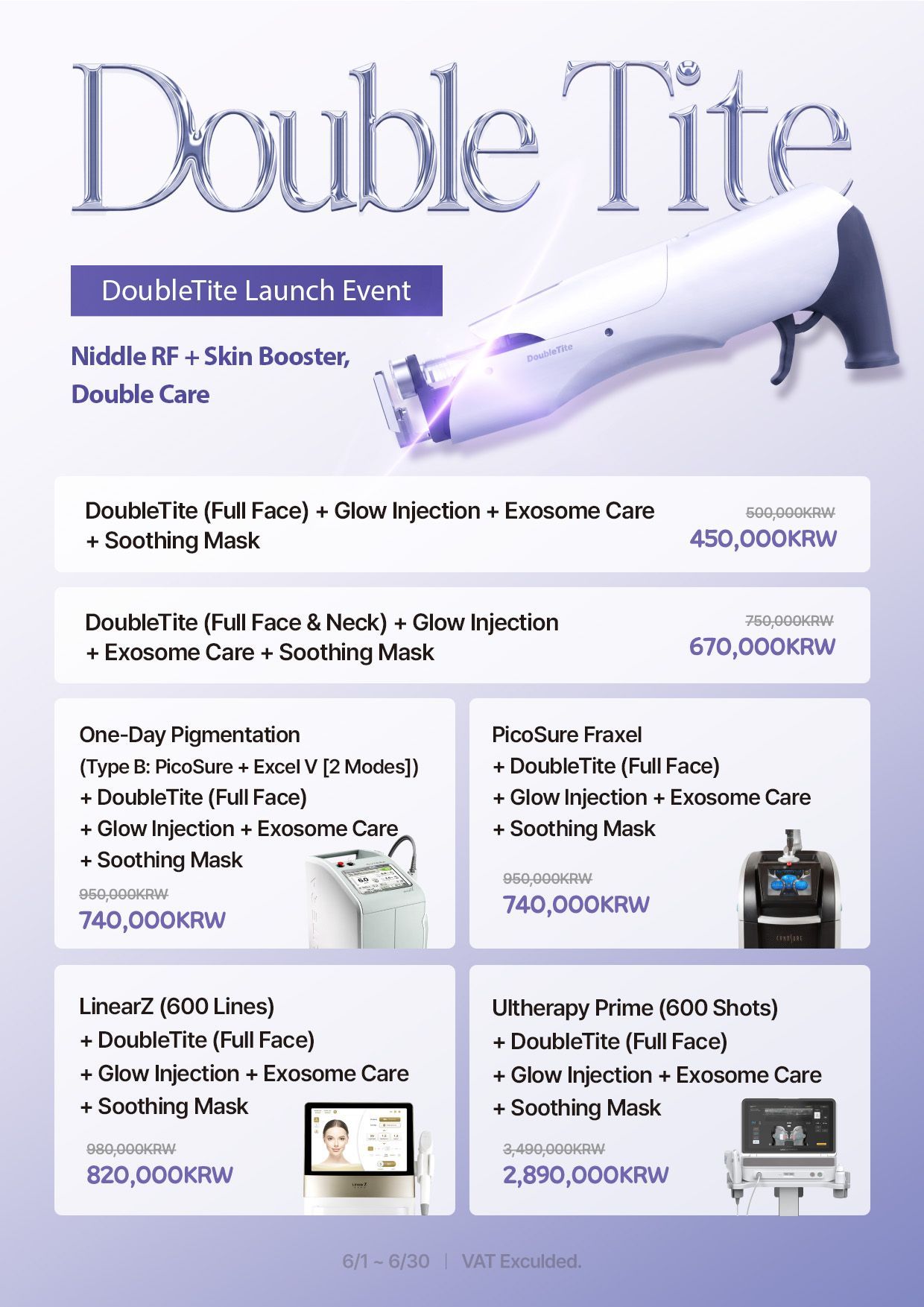
- Combined with skin boosters in a "glow" or recovery package
In Korea, exosome products used in clinics are often applied topically onto freshly treated skin rather than injected. Regulations on injecting such products differ by country and change over time, so ask your doctor exactly how and why a product will be used.
What the Evidence Says So Far
Honest framing matters here. The science behind exosomes is genuinely interesting, but:
- Much of the research is from cell and animal studies, which do not always translate to people.
- Human studies in aesthetics tend to be small, short-term, and sometimes funded by manufacturers.
- Products differ in their source, concentration, purity and processing, so results from one product cannot be assumed for another.
- There is no widely accepted standard for measuring the "dose" or quality of a cosmetic exosome product.
In practice, many doctors see exosomes as a way to help skin recover after more active treatments, with patients often reporting calmer, less red skin and a smoother look. That is a reasonable, modest expectation. Claims that exosomes "reverse ageing" or replace lifting or lasers are not supported by strong evidence.
Who Might Consider Exosome Therapy?
Exosomes may be worth discussing if you:
- Are already having microneedling, RF microneedling or fractional laser and want to support recovery
- Have sensitive skin that tends to stay red after procedures
- Want a gentle add-on to improve overall skin quality alongside proven treatments
- Are exploring scalp treatments as part of a broader, doctor-led plan for hair thinning
Who should avoid or postpone it
A licensed physician should assess you first. Exosome treatments are usually avoided during pregnancy and breastfeeding, with active skin infections or open wounds not caused by the procedure, with a history of skin cancer in the area, or with known allergies to product components. People with autoimmune conditions or who take immunosuppressant medication should discuss this carefully with their doctor.
Results, Sessions and Downtime
Because exosomes are mostly used as an add-on, downtime is usually determined by the main procedure. When applied after microneedling, expect redness for one to three days; after stronger lasers, longer. The exosome step itself typically adds little extra downtime.
Many clinics suggest a series of three to five sessions spaced two to four weeks apart, but there is no single evidence-based protocol. Results, if noticed, tend to be gradual and subtle: calmer skin, better hydration and a more even texture.
Possible side effects
- Temporary redness, warmth or mild stinging on application
- Breakouts or irritation in sensitive skin
- Rarely, allergic reactions
- Infection risk if hygiene after microneedling is poor
How to Choose a Clinic and Product
- Ask what product is used, where it is derived from and whether it is registered for cosmetic use in Korea.
- Ask how it will be applied(topical after microneedling, or otherwise) and why.
- Be wary of big promises. A careful doctor will describe exosomes as supportive and will not guarantee outcomes.
- Check the main treatment first. The microneedling, laser or booster you pair it with usually has a bigger effect on results than the exosome step.
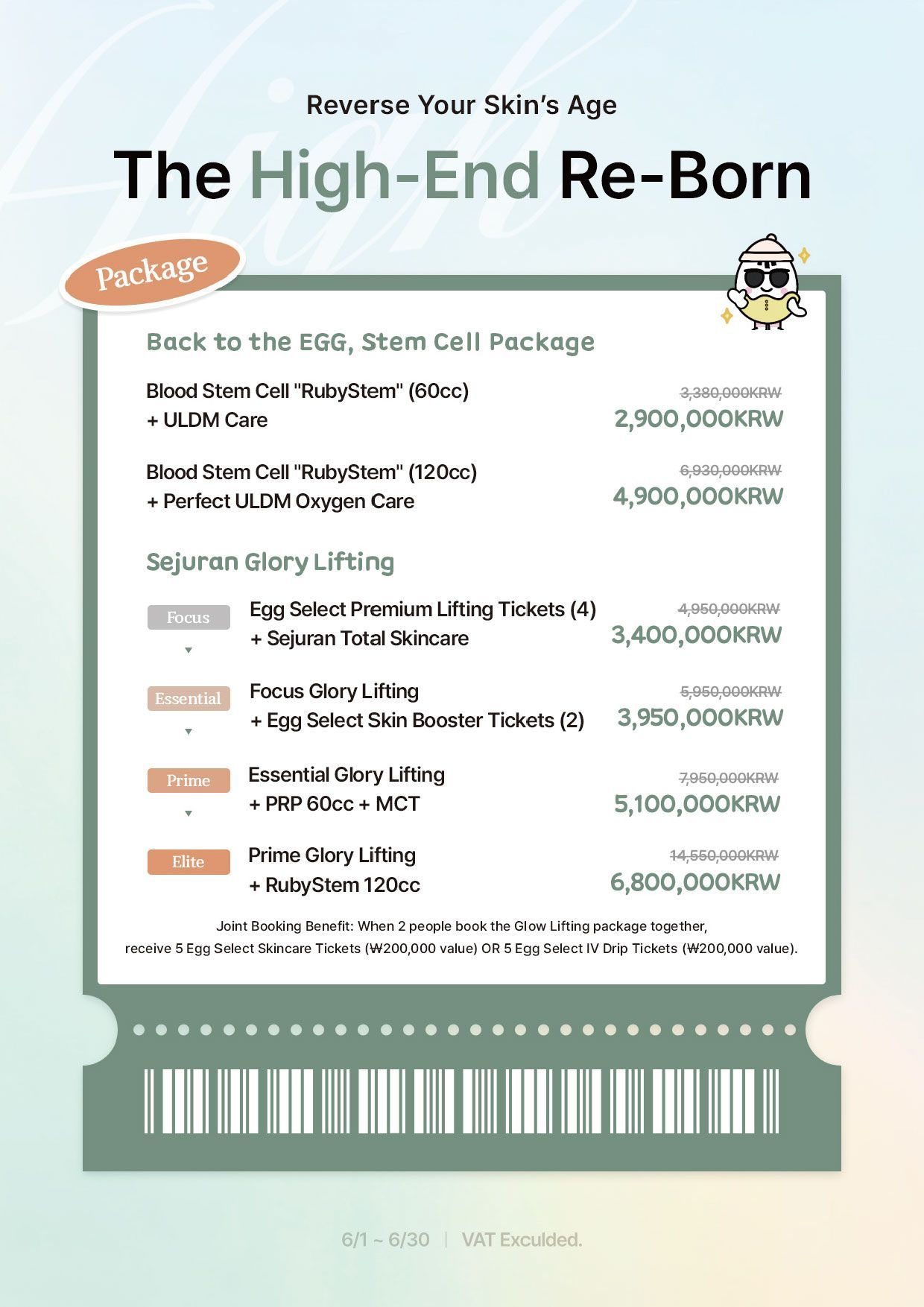
- Compare total price. Exosome add-ons can raise the cost of a session considerably. Published prices in Gangnam for stem cell and regenerative treatments start from around ₩500,000 (≈ $370), but exosome add-on pricing varies widely by clinic and changes over time.
Practical Tips for Visitors to Korea
- Schedule exosome-supported treatments early in your trip so redness from microneedling settles before you leave.
- Avoid make-up for at least 12–24 hours after microneedling, or as advised.
- Use gentle cleansers and a broad-spectrum sunscreen daily; Seoul's sun and dry indoor air can irritate freshly treated skin.
- Keep any product information so your doctor at home knows what was used.
Frequently Asked Questions
Are exosomes the same as stem cell therapy?
No. Exosomes are vesicles released by cells, not living cells. Cosmetic exosome products do not contain stem cells, although some are derived from stem cell cultures.
Is exosome therapy proven to work for skin?
Early research is promising, but strong, long-term clinical evidence is still limited. Many doctors use exosomes as a recovery-supporting add-on rather than a main treatment.
How many exosome sessions do I need?
There is no fixed standard. Clinics commonly suggest three to five sessions a few weeks apart, combined with another treatment. Your doctor can adjust this to your skin and goals.
Is exosome therapy safe?
When used by licensed doctors with quality products, it is generally well tolerated. Side effects are usually mild redness or irritation, but product quality and hygiene are important.
This article is for general information only and does not replace a consultation with a licensed physician. Results vary from person to person.