Under-Eye Filler in Korea: Tear Trough Treatment, Risks and Alternatives

Under-eye filler in Korea, often called tear trough filler, uses a soft hyaluronic acid filler placed carefully under the eye to soften hollows and shadows that make you look tired. It can give a refreshed look with results that typically last around nine to eighteen months, but it is one of the more delicate filler areas, and alternatives such as skin boosters, lasers or fat repositioning may suit some people better.
Dark circles have several causes, and only some respond to filler. This guide explains how tear trough filler works, who it suits, the specific risks and the alternatives commonly offered in Korean clinics.
Why Under-Eye Hollows Appear
The tear trough is the groove that runs from the inner corner of the eye towards the cheek. It can become more visible because of:
- Volume loss in the fat and bone around the eye with age.
- Genetics, giving some people deep troughs even in their 20s.
- Thin skin that shows the underlying muscle and blood vessels.
- Pigmentation, which causes brown dark circles.
- Puffy under-eye fat bags, which make the groove below look deeper.
Filler mainly helps with hollowness. It does not treat pigmentation, and it can make puffy bags look worse.
How Tear Trough Filler Works
The doctor uses a soft, low-swelling HA filler and places small amounts deep under the muscle, close to the bone, often with a blunt cannula. This supports the hollow and smooths the transition between the lower eyelid and cheek. Treatment takes around 20 to 30 minutes, including numbing.
Because the area is thin and prone to swelling, conservative amounts are usually best. Some doctors prefer to treat the upper cheek first, which can lift and support the under-eye without placing much filler directly in the trough.
Who It Suits
Good candidates usually have true hollows, reasonably good skin quality and little or no puffiness. It often suits people who look tired even when well rested.
Who May Not Be Suitable
- People with prominent under-eye bags or fluid retention.
- Those with very thin, crepey skin, where filler may be visible.
- Anyone with active infection, eczema or inflammation around the eyes.
- People who are pregnant or breastfeeding.
- Those with bleeding disorders or allergy to HA filler.
Risks and Side Effects
Common
- Swelling and bruising, which can last several days to two weeks.
- Small lumps or uneven areas that may need adjustment.
Specific to the Under-Eye Area
- Tyndall effect: a bluish tint if filler sits too superficially.
- Prolonged puffiness: HA attracts water, and some people develop ongoing swelling, sometimes months later.
- Vascular complications: rare, but the eye area has important blood vessels. Sudden pain, skin colour changes or any change in vision require urgent medical attention.
Most issues can be improved by dissolving the filler with hyaluronidase, which is why HA is the standard choice here.
Results and Duration
The improvement is usually visible immediately, with the final result clearer after about two weeks. Under-eye filler often lasts longer than lip filler because the area moves less, typically around nine to eighteen months, though this varies.
Alternatives to Under-Eye Filler
- Rejuran Eye or other polynucleotide boosters to improve thin, crepey skin and fine lines.
- Collagen boosters in small amounts for gentle thickening.
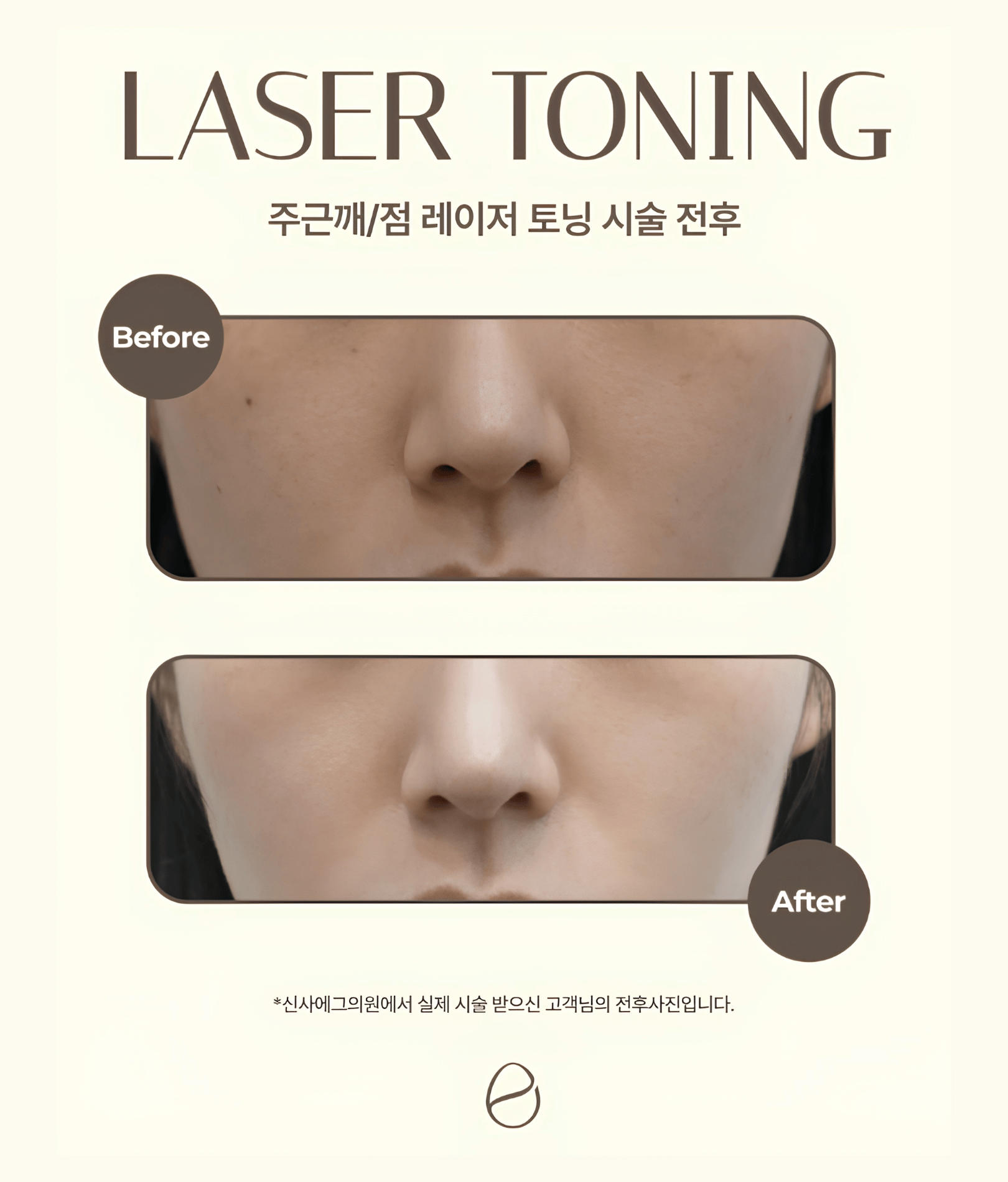
- Laser toning or pigment lasers for brown dark circles.
- RF or microneedling devices for mild laxity and texture.
- Lower blepharoplasty or fat repositioning, a surgical option for prominent bags and deep troughs.
How to Choose a Doctor
- Choose a doctor experienced in under-eye injections specifically.
- Ask whether they use a cannula, which product and how much.
- Ask whether filler is the right choice for you, or whether a booster or surgery would suit your eyes better.
- Check that hyaluronidase is available and that you can contact the clinic after treatment.
Practical Tips for Visitors to Korea
- Allow at least five to seven days before important events because bruising and swelling can be visible.
- Sleep with your head slightly raised for the first nights.
- Avoid alcohol, salty food, saunas and heavy exercise for a couple of days.
- Do not rub your eyes or press on the area.
- Consider a booster first if you are unsure; it carries less risk of puffiness.
What to Expect at the Consultation
A careful doctor will usually examine your under-eyes in different lighting and while you look up and down. Puffiness that becomes more obvious when you look upwards often points to fat bags rather than hollowness. The doctor may also gently stretch the skin to see whether pigmentation or visible vessels are part of the darkness. Based on this, they may suggest filler, a skin booster, a laser or a combination. Be open about any history of facial swelling, allergies or previous under-eye treatments, since these affect the choice. If the doctor advises against filler for your eyes, that is often a sign of a cautious, responsible approach.
Frequently Asked Questions
Does under-eye filler fix dark circles?
It helps dark circles caused by hollowness and shadowing. It does not treat pigmentation or visible blood vessels, which need other treatments.
How long does tear trough filler last?
Results typically last around nine to eighteen months, depending on the product, technique and your metabolism.
Is under-eye filler safe?
It is generally safe in experienced hands, but it is a delicate area with specific risks. A careful assessment and a skilled injector are essential.
What is better for under-eyes, filler or Rejuran?
Filler supports hollowness, while Rejuran improves skin quality and fine lines. They address different problems and are sometimes combined.
This article is for general information only and does not replace a consultation with a licensed physician. Results vary from person to person.