Pico Laser vs IPL: Which Is Better for Pigmentation?
Pico Laser vs IPL: Which Is Better for Pigmentation?
Pico laser and IPL (Intense Pulsed Light) are both widely used for improving pigmentation, but they work in different ways and may be better suited to different types of skin concerns. Pico laser uses ultra-short laser pulses to target pigment more precisely, while IPL delivers a broad spectrum of light that can target melanin as well as redness and visible sun damage. The better option depends on the type, depth, distribution, and sensitivity of your pigmentation.
What Is Pico Laser?
Pico laser delivers extremely short pulses of laser energy measured in picoseconds. The rapid energy can fragment unwanted pigment into smaller particles while limiting the amount of heat delivered to surrounding tissue.
Pico laser may be considered for:
- Freckles
- Sun spots
- Age spots
- Post-acne pigmentation
- Uneven skin tone
- Certain superficial pigmentation concerns
- Some acne scars and uneven skin texture when fractional modes are used
Because different wavelengths and treatment modes are available, Pico laser settings can be adjusted according to the patient's pigmentation and skin condition.
What Is IPL?
IPL is not technically a laser. It uses broad-spectrum pulses of intense light to target chromophores such as melanin and hemoglobin in the skin. This allows IPL to address pigmentation and certain forms of redness at the same time.
IPL is commonly used for:
- Freckles
- Sun spots
- Mild age spots
- Diffuse sun damage
- Uneven complexion
- Facial redness
- Visible small blood vessels
Rather than focusing on a single wavelength, IPL uses a range of wavelengths that can be filtered and adjusted according to the treatment goal.
Pico Laser vs IPL: Key Differences
Although both treatments can improve pigmentation, their mechanisms and treatment approaches are different.
Pico laser:
- Uses laser energy at specific wavelengths
- Delivers ultra-short picosecond pulses
- Offers targeted pigment treatment
- Can be customized for different pigmentation concerns
- Some modes can also address skin texture and pores
- Often chosen when precise pigment targeting is a priority
IPL:
- Uses broad-spectrum light
- Can target both pigmentation and redness
- Treats relatively larger areas efficiently
- Often used for overall complexion improvement
- Particularly useful when pigmentation and vascular redness occur together
The choice should therefore be based on the patient's actual skin concerns rather than assuming one technology is universally better.
Which Is Better for Freckles and Sun Spots?
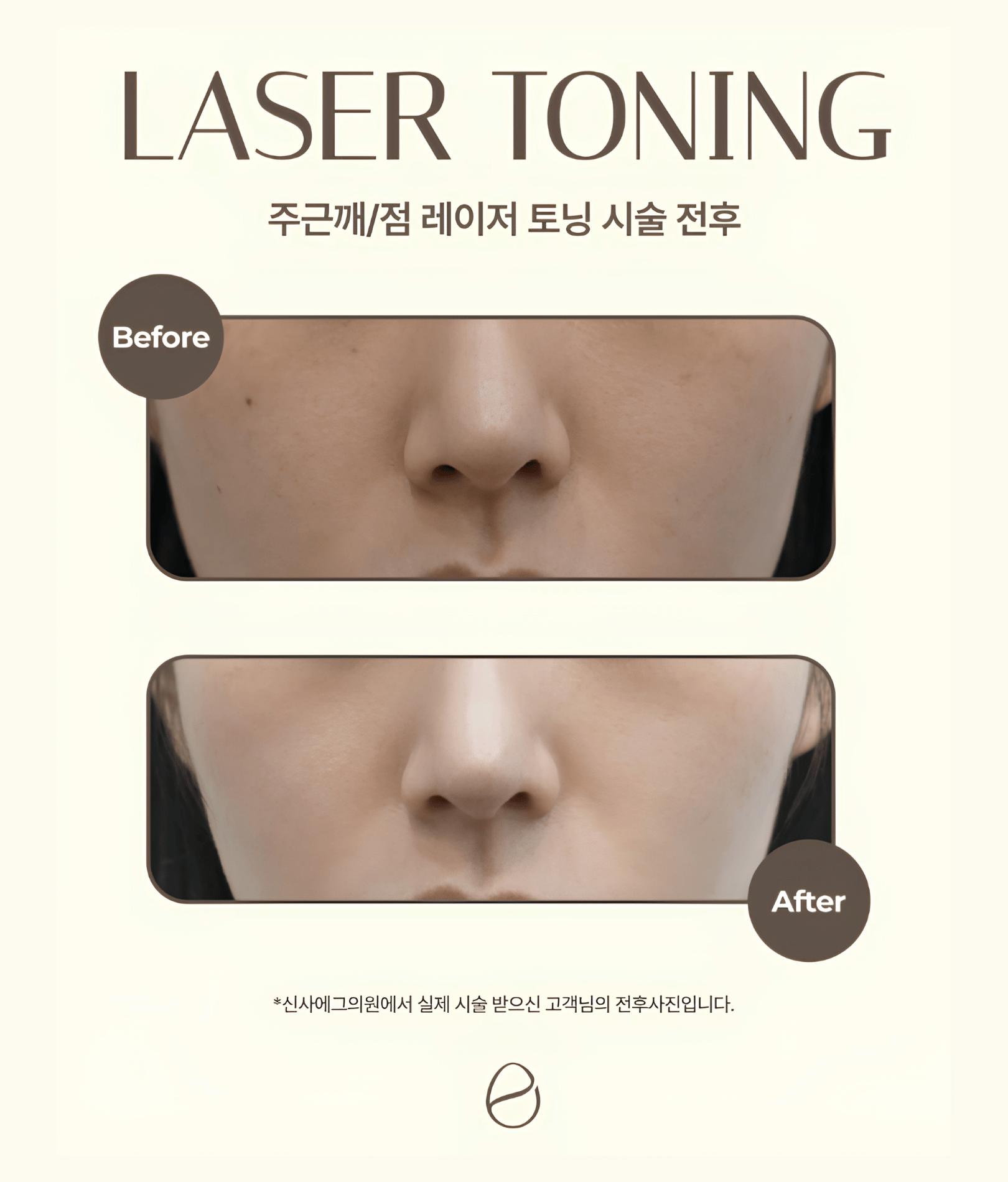
For clearly defined freckles and sun spots, Pico laser can be an attractive option because its laser energy can be directed specifically toward melanin. Depending on the pigmentation, treatment may cause the targeted spots to temporarily darken or form tiny crusts before they gradually shed.
IPL can also be effective for superficial sun-induced pigmentation, particularly when multiple spots are distributed across a larger area. It may provide an overall brightening effect while treating pigmentation across the treatment zone.
For isolated or clearly defined pigmentation, Pico laser may offer more targeted treatment, while IPL can be useful for widespread superficial sun damage.
Which Is Better for Overall Skin Tone?
IPL may have an advantage when the goal is broader complexion improvement rather than treating only individual pigmented spots. Because IPL can interact with both melanin and hemoglobin, it may help improve the appearance of uneven pigmentation and redness in the same treatment.
Pico laser can also be used for overall brightening, particularly through lower-energy toning protocols. The treatment can be repeated as part of a longer-term skin maintenance plan.
The better choice depends on whether the main goal is:
- Targeted pigmentation removal → Pico laser
- Overall brightening → Pico laser or IPL
- Pigmentation with facial redness → IPL
- Specific freckles or dark spots → Pico laser
- Diffuse sun damage → IPL
Pico Laser vs IPL for Different Skin Types
Skin type is an important consideration when choosing a pigmentation treatment. Darker or more pigmentation-prone skin may have a greater risk of post-inflammatory hyperpigmentation after certain light- or laser-based procedures. Treatment settings therefore need to be selected carefully.
For patients with sensitive or pigmentation-prone skin, a dermatologist may consider:
- Skin tone and Fitzpatrick skin type
- Type of pigmentation
- Depth of pigment
- History of post-inflammatory hyperpigmentation
- Previous laser or IPL treatments
- Current skin sensitivity
- Recent sun exposure
A customized approach is particularly important for melasma, which can be more complicated than simple freckles or sun spots and may sometimes worsen with inappropriate energy-based treatment.
Pico Laser vs IPL: Downtime and Recovery
Both treatments are generally performed without surgery, but the recovery experience can vary depending on treatment intensity.
After Pico laser, patients may experience:
- Temporary redness
- Warmth or mild sensitivity
- Temporary darkening of pigmented areas
- Small crusts with stronger settings
After IPL, patients may experience:
- Redness
- Mild swelling
- Temporary warmth
- Darkening of treated pigmentation
- Gradual fading or shedding of pigmented spots
In either case, strict sun protection is important after treatment. Patients should also avoid picking treated areas and follow the clinic's recommended skincare routine during recovery.
Which Treatment Should You Choose?
There is no single treatment that is best for everyone. Pico laser may be preferable when precise treatment of freckles, sun spots, or specific pigmentation is the primary goal. IPL may be more appropriate when pigmentation is accompanied by redness or when the patient wants broader treatment of superficial sun damage.
A simple way to compare them is:
- Targeted pigmentation: Pico laser
- Freckles and defined dark spots: Pico laser
- Diffuse sun damage: IPL
- Pigmentation + redness: IPL
- Overall skin brightening: Both may be suitable
- Texture and pores: Pico laser may offer additional options
A professional skin assessment should come before treatment, particularly when pigmentation is persistent, recurrent, or suspected to be melasma.
Final Thoughts
Pico laser and IPL can both be effective pigmentation treatments, but they are designed around different technologies and treatment approaches. Pico laser is generally more focused on precise pigment targeting, while IPL is particularly useful for broader treatment of pigmentation, sun damage, and redness. The best choice depends on your specific pigmentation, skin type, treatment goals, and tolerance for downtime. For foreigners considering pigmentation treatment in Korea, a personalized consultation can help determine which technology and treatment settings are most appropriate for achieving a clearer and more even-looking complexion.