Korean Filler vs Juvederm vs Restylane: Which Is Better?
Korean Filler vs Juvederm vs Restylane: Which Is Better?
Korean fillers, Juvederm, and Restylane are three major options patients may encounter when considering dermal fillers in Korea. All three categories include hyaluronic acid (HA) fillers, but individual products differ in gel characteristics, formulation, firmness, flexibility, longevity, and price. There is no universally “best” filler. The right choice depends on the treatment area, desired result, facial anatomy, budget, and the specific product selected.
What Are Korean Fillers?
Korean filler refers to dermal fillers manufactured by Korean pharmaceutical and aesthetic companies. Many are HA-based and are widely used in Korean dermatology and aesthetic clinics.
Popular Korean filler brands include options such as Neuramis, Yvoire, Chaeum, Revolax, and other domestic products. Depending on the formulation, they can be used for:
- Lips
- Cheeks
- Chin
- Jawline
- Nasolabial folds
- Marionette lines
- Nose contouring
- Facial volume restoration
One of the biggest advantages of Korean fillers is their competitive pricing and wide availability in Korea. However, “Korean filler” is not a single product category with identical characteristics. Each brand and formulation should be evaluated individually.
What Is Juvederm?
Juvederm is a well-established family of hyaluronic acid fillers known for its broad range of formulations. Different Juvederm products are designed to provide different levels of volume, projection, flexibility, and integration.
Depending on the specific product, Juvederm may be used for:
- Lip enhancement
- Cheek augmentation
- Chin projection
- Facial contouring
- Nasolabial folds
- Facial volume restoration
Juvederm is often chosen by patients who prefer a familiar international brand or who have previously achieved good results with a particular Juvederm formulation.
What Is Restylane?
Restylane is another established family of hyaluronic acid fillers with multiple formulations designed for different facial areas. Its product range includes options intended for both structural volume and more dynamic areas.
Restylane may be considered for:
- Lips
- Cheeks
- Chin
- Nasolabial folds
- Facial contouring
- Selected under-eye treatments
- Fine lines and soft-tissue correction
Like Juvederm, Restylane should not be treated as one identical filler. Different products within the Restylane range can have different characteristics and are selected according to the treatment area.
Korean Filler vs Juvederm vs Restylane: Main Differences
The most important differences are not simply the country where the filler was manufactured. The specific formulation and its intended use matter much more.
FeatureKorean FillerJuvedermRestylaneMain materialUsually HAHAHAPriceGenerally lowerGenerally higherGenerally higherProduct rangeBroadBroadBroadAvailability in KoreaExcellentExcellentExcellentInternational recognitionVaries by brandVery highVery highBest choiceDepends on formulationDepends on formulationDepends on formulation
Korean fillers can provide excellent value for patients who want an affordable option in Korea, while Juvederm and Restylane may appeal to patients who prioritize a familiar international brand.
Which Filler Is Better for Lips?
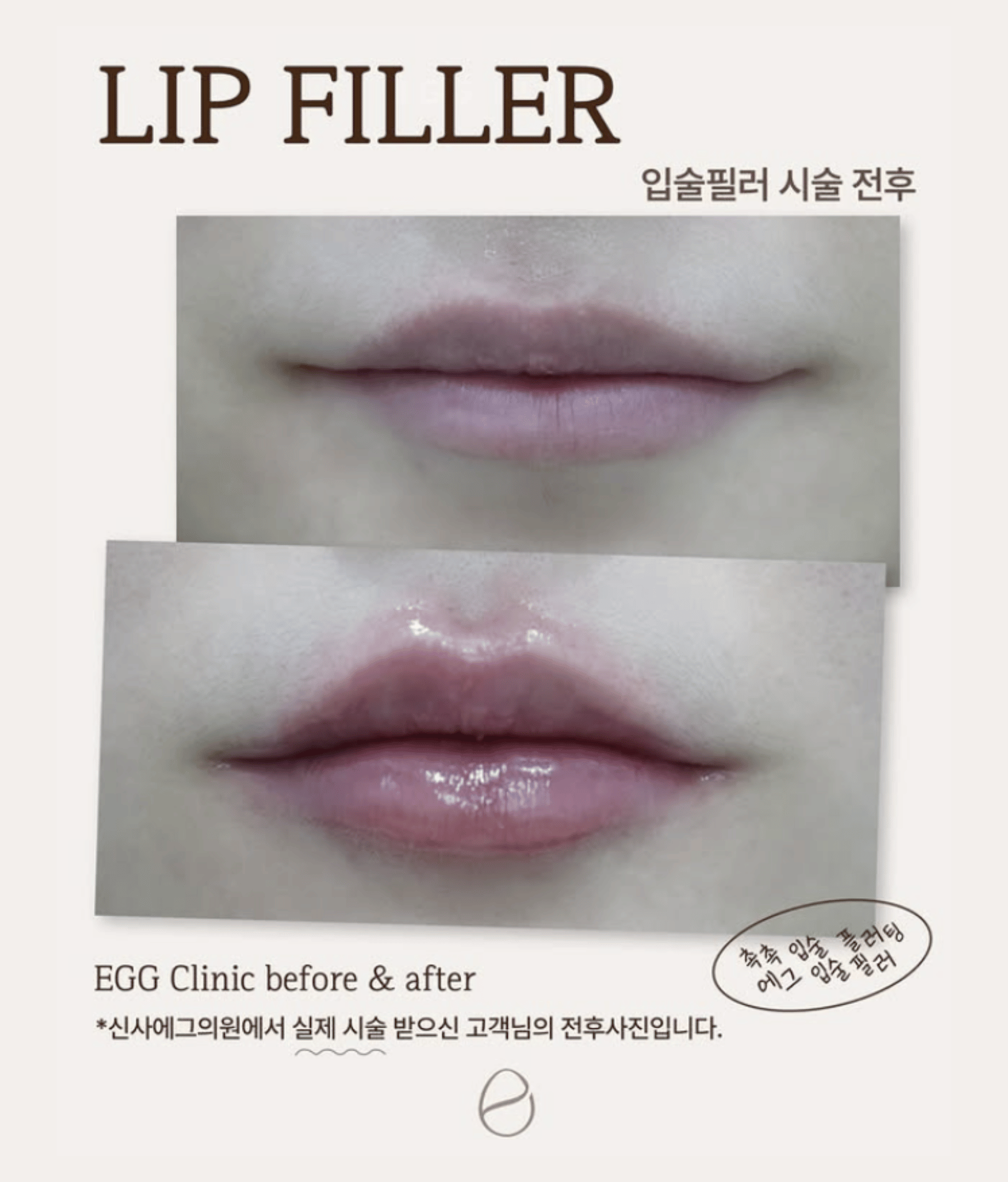
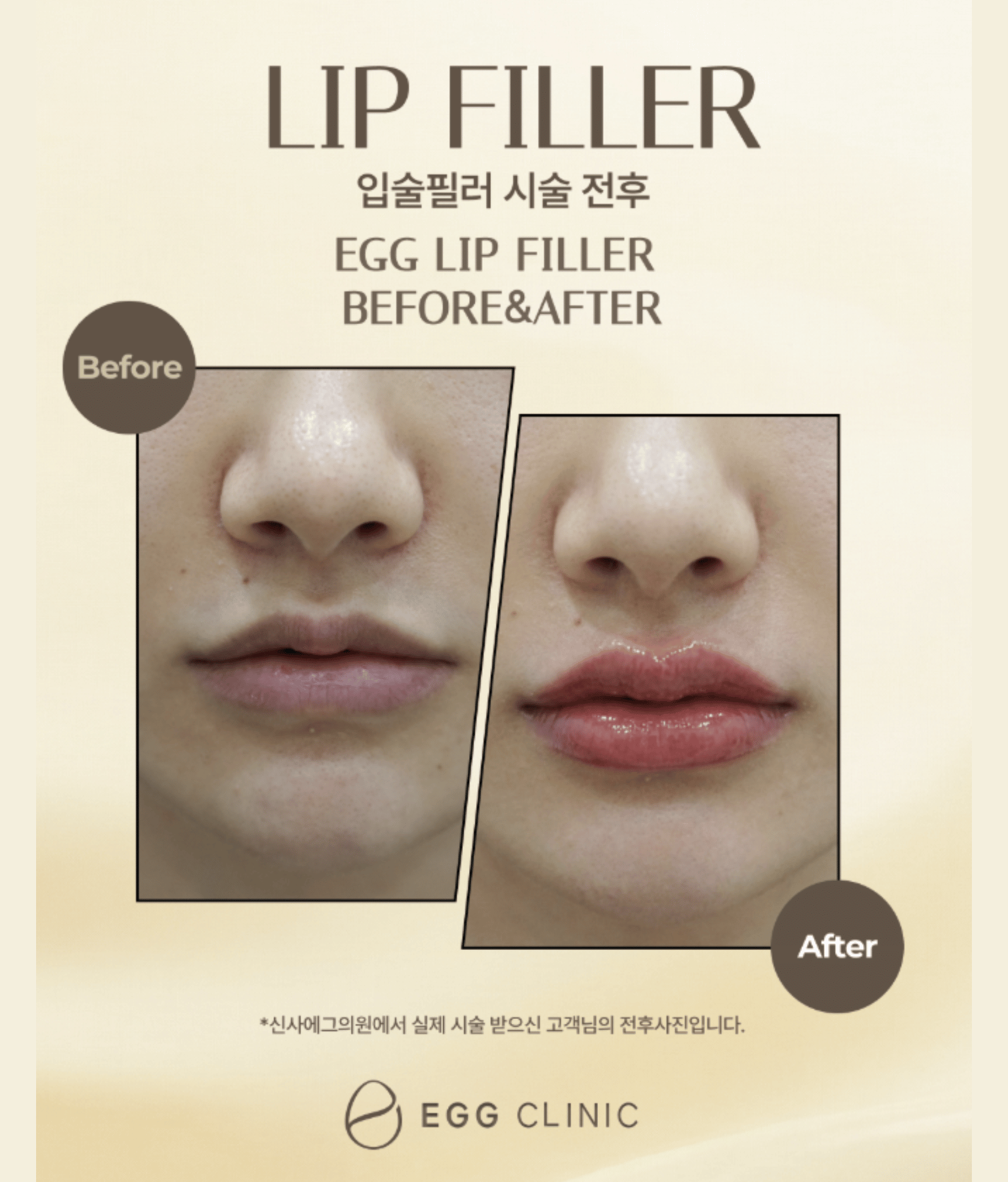
Lip filler requires a product that can provide volume while maintaining natural movement and a soft appearance. The ideal formulation depends on how much enhancement is desired and the patient's existing lip structure.
A suitable lip filler should provide:
- Natural-looking volume
- Appropriate flexibility
- Smooth integration with surrounding tissue
- Controlled definition
- Balanced upper-to-lower lip proportions
Korean, Juvederm, and Restylane products can all be used for lip enhancement when the appropriate formulation is selected. The brand alone does not determine whether the lips will look natural. The amount injected and injection technique are equally important.
Which Filler Is Better for Chin and Jawline?
Chin and jawline treatments generally require a filler with enough structural support to create projection and definition. The appropriate product may therefore be different from a soft filler selected for the lips.
Chin or jawline filler may help with:
- Weak chin projection
- Poor facial balance
- Less-defined jaw contours
- Profile refinement
- Chin-to-jaw transition
For these areas, the doctor may prioritize factors such as firmness, cohesivity, projection, and how well the filler maintains its shape.
A stronger filler is not automatically better. Excessive volume can make the chin or jaw appear unnatural, so treatment should be customized to the patient's facial proportions.
Which Filler Is Better for Nasolabial Folds and Cheeks?
Nasolabial folds and cheeks require a more individualized approach because visible folds are not always caused by simple volume loss. Midface structure, fat compartments, skin laxity, and facial movement can all contribute to the appearance of the lower face.
Depending on the assessment, treatment may involve:
- Direct correction of the fold
- Cheek or midface volume restoration
- Structural support around the nose and mouth
- A combination of approaches
Both Korean fillers and premium imported products can be considered. The most appropriate choice depends on the specific product's gel characteristics, treatment depth, and the amount of support required.
Korean Filler vs Juvederm vs Restylane: Cost
One of the clearest differences is price. Korean-made fillers are generally more affordable than premium imported brands in Korea.
A general reference range per syringe is:
- Korean filler: approximately ₩150,000–₩400,000+
- Juvederm: approximately ₩300,000–₩700,000+
- Restylane: approximately ₩300,000–₩700,000+
Budget clinics: lower
Premium doctor-led clinics: higher but more precise
Actual prices can vary substantially depending on the product, treatment area, amount required, clinic, and promotional pricing. When comparing costs, check the exact filler name and syringe volume, rather than comparing “Korean filler” with “Juvederm” as broad categories.
Which Filler Lasts the Longest?
Filler longevity varies according to the specific product and treatment area. Many HA fillers can last approximately 6–18 months, while some formulations may maintain visible effects for longer.
Factors that influence longevity include:
- Specific filler formulation
- Injection area
- Amount injected
- Facial movement
- Individual metabolism
- Injection technique
- Degree of correction
Longer-lasting does not necessarily mean better. A softer, more flexible product may be preferable in a highly mobile area, while a more structured formulation may be useful when projection and support are the main goals.
How Should Foreigners Choose Between Them?
For international patients, the best approach is to compare the specific product rather than simply the brand origin.
Consider:
- What area is being treated?
- Do you want subtle volume or stronger contouring?
- Which specific filler will be used?
- How much filler is recommended?
- How long is the expected result?
- Is the product appropriate for the treatment area?
- What is the total cost?
- Does the clinic clearly explain the product and treatment plan?
- Does the doctor have experience with the specific area?
If you already have a history of using Juvederm or Restylane successfully, continuing with a familiar product may be reasonable. If price is a major consideration, a reputable Korean filler can provide a more affordable alternative.
Final Thoughts
There is no universal winner between Korean filler, Juvederm, and Restylane. Korean fillers are attractive for their competitive pricing and wide availability in Korea, while Juvederm and Restylane offer highly recognized international product families with multiple formulations. The most important factor is the specific filler formulation and whether it matches your treatment area and facial anatomy. For foreign patients, comparing the exact product, amount, expected longevity, price, and injector experience is more useful than choosing solely based on whether a filler is Korean or imported.