Dermal Fillers in Korea: Complete Guide for Foreigners
Dermal Fillers in Korea: Complete Guide for Foreigners
Dermal fillers are among the most popular non-surgical aesthetic treatments in Korea, offering a way to restore lost volume, enhance facial contours, and improve facial balance without surgery. Seoul clinics provide a wide selection of Korean and imported fillers for areas such as the lips, cheeks, chin, nose, under-eyes, and nasolabial folds. For foreigners, Korea can be particularly appealing because of competitive pricing, experienced aesthetic practitioners, and clinics that provide international-patient support.
What Are Dermal Fillers?
Dermal fillers are injectable materials placed beneath the skin to add volume, improve contours, or soften wrinkles and folds. Hyaluronic acid (HA) is one of the most commonly used filler materials because it naturally occurs in the body and can provide flexible, natural-looking volume.
Depending on the product and treatment area, fillers can be used to:
- Restore lost facial volume
- Improve facial proportions
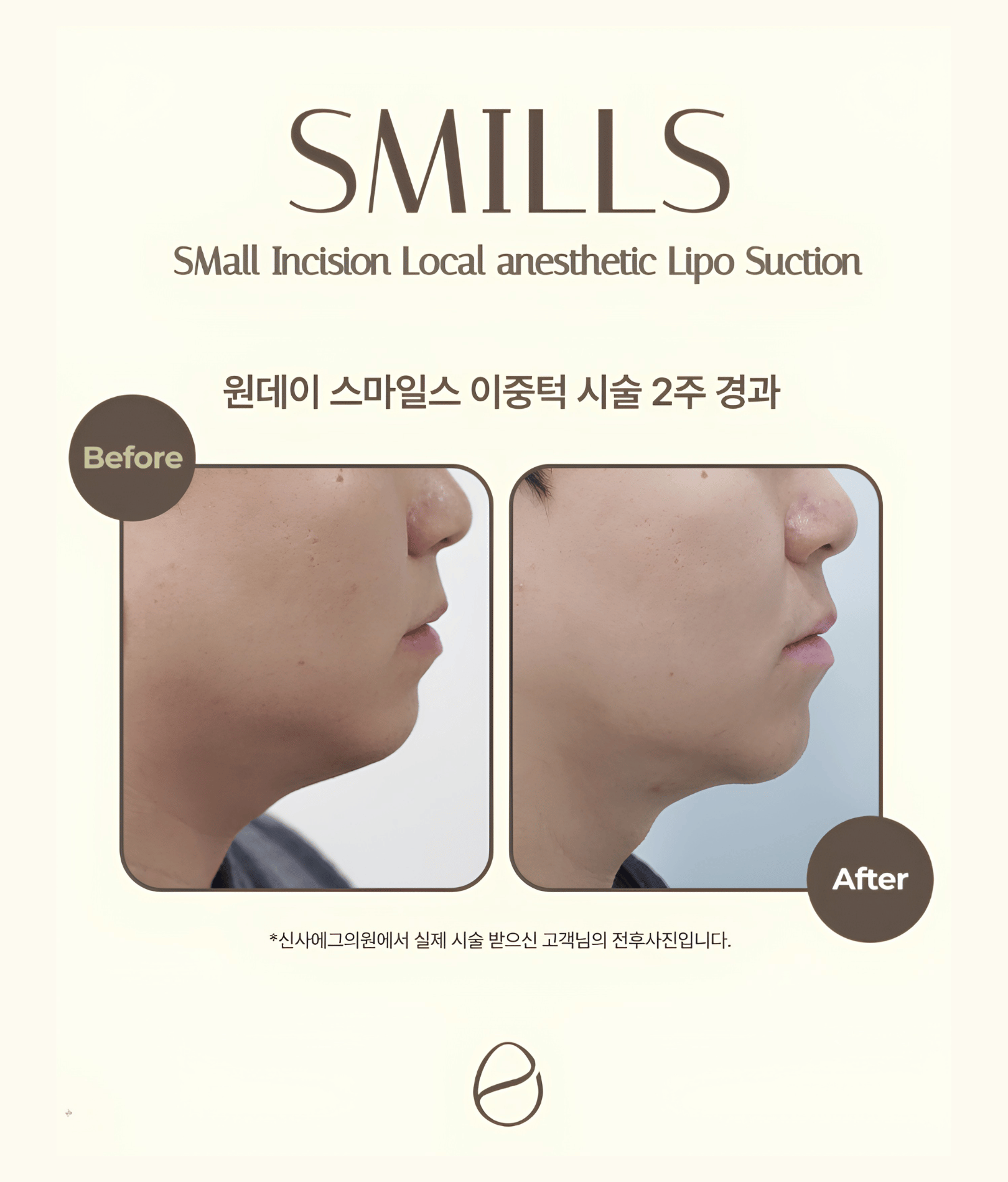
- Define the chin and jawline
- Add cheek or midface volume
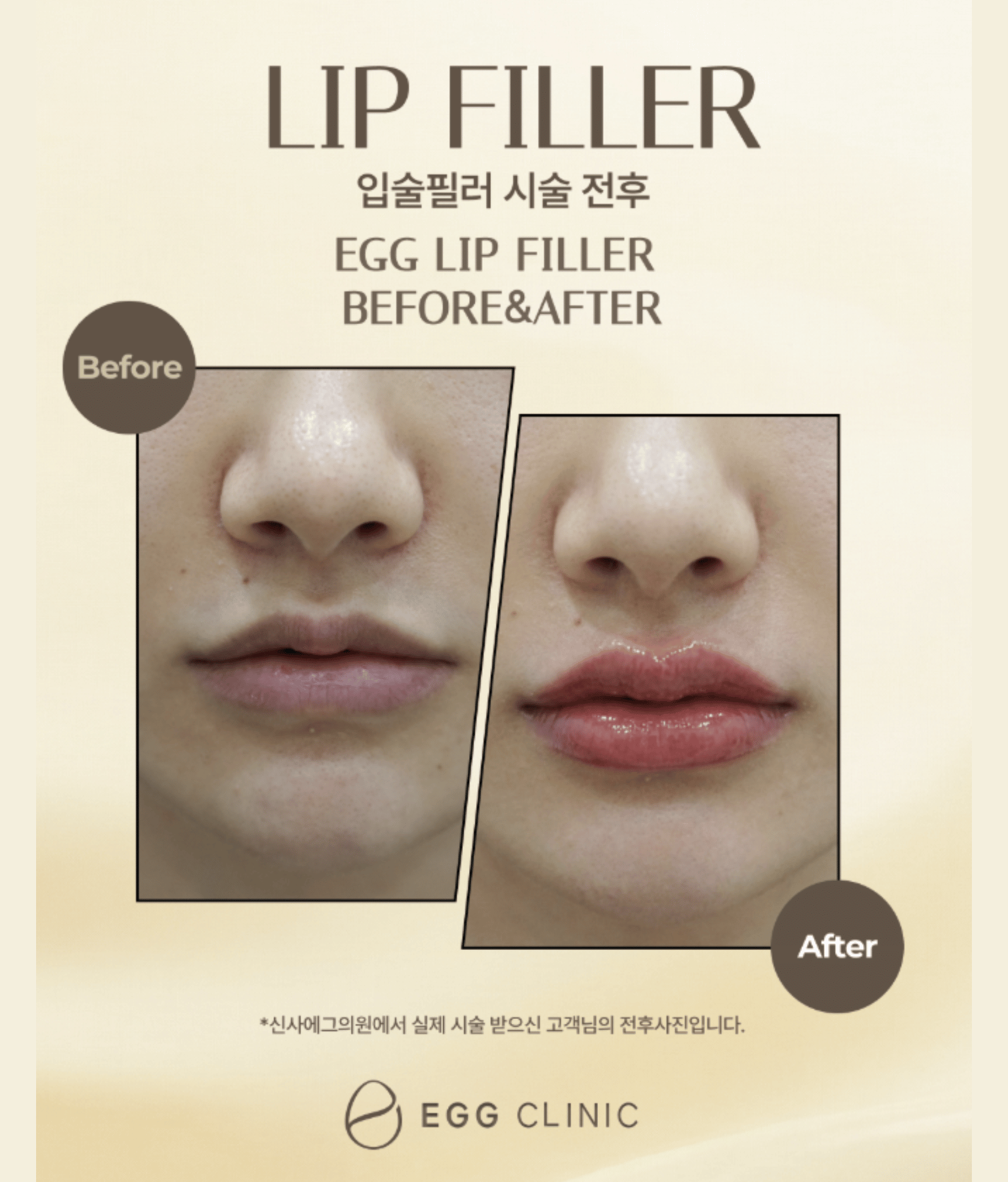
- Enhance the lips
- Improve under-eye hollows
- Soften nasolabial folds and marionette lines
- Create subtle nose or profile enhancement
Unlike Botox, which primarily relaxes muscles, fillers work by physically adding volume or supporting specific areas of the facial structure.
Types of Dermal Fillers Available in Korea
Korean clinics offer both domestic and imported filler products. The appropriate product depends on the area being treated, desired degree of firmness, skin characteristics, and treatment goals.
Common options include:
- Hyaluronic Acid (HA) Fillers: Used for volume restoration, contouring, lips, cheeks, chin, nose, and facial lines.
- Calcium Hydroxylapatite (CaHA): Provides structural support and can also stimulate collagen production.
- Poly-L-Lactic Acid: Gradually stimulates collagen rather than simply adding immediate volume.
- Collagen-Stimulating Fillers: Used when the goal is gradual improvement in firmness and volume.
Korean-made HA fillers are often more affordable, while premium imported brands such as Juvederm, Restylane, and Belotero are also available at many clinics.
Popular Areas for Filler Treatment in Korea
One advantage of receiving fillers in Korea is the ability to customize treatment according to overall facial proportions rather than focusing on just one feature.
Popular treatment areas include:
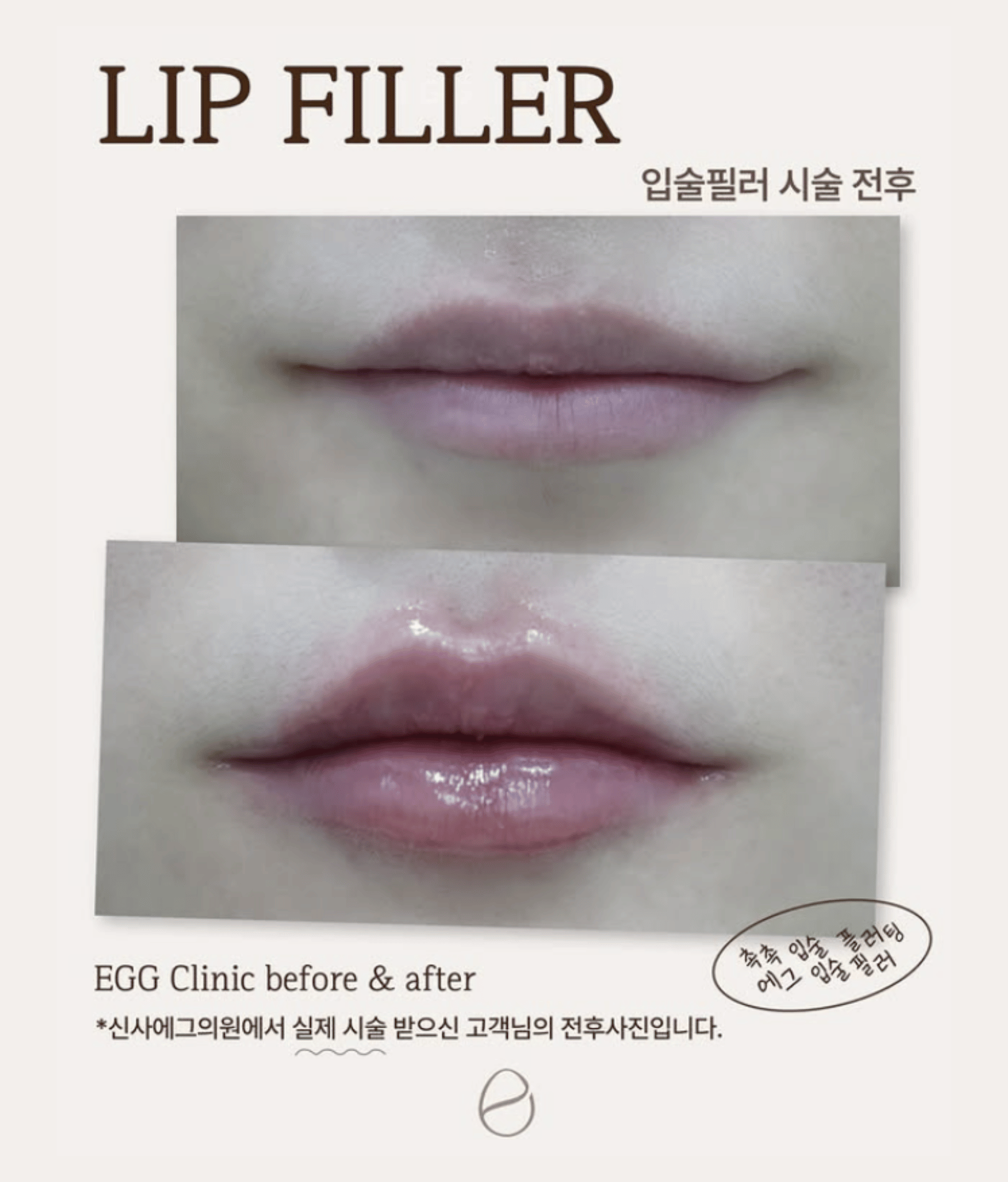
- Lips: Adds volume and improves lip shape or definition.
- Chin: Creates greater projection and improves facial balance.
- Cheeks: Restores volume and enhances midface contours.
- Under-Eyes: Addresses hollowing and shadowing in appropriately selected patients.
- Nasolabial Folds: Softens deeper folds around the nose and mouth.
- Marionette Lines: Adds support around the lower face.
- Jawline: Enhances definition and facial contour.
- Nose: Provides non-surgical profile refinement in selected cases.
The amount and placement of filler should be determined by facial anatomy rather than simply injecting the same amount into every patient.
How Much Do Dermal Fillers Cost in Korea?
Filler prices vary depending on the brand, treatment area, amount used, clinic, and whether a domestic or imported product is selected.
A general reference range is:
- Korean HA filler: approximately ₩150,000–₩400,000 per syringe
- Premium imported filler: approximately ₩300,000–₩700,000+ per syringe
- Under-eye filler: approximately ₩300,000–₩700,000+
- Chin or jawline filler: approximately ₩200,000–₩600,000+
- Full-face filler treatments: can exceed ₩1,000,000 depending on the amount required
Budget clinics: lower
Premium doctor-led clinics: higher but more precise
Promotional pricing is common in Korea, so international patients should confirm the exact brand, volume, number of syringes, and whether taxes or additional fees are included before booking.
What Is the Filler Treatment Process Like?
A typical filler appointment begins with a consultation and facial assessment. The doctor evaluates your facial proportions, skin thickness, existing volume, asymmetry, and desired outcome before determining the appropriate product and injection technique.
The process generally includes:
- Facial analysis and consultation
- Selection of filler type and treatment area
- Cleansing and preparation
- Application of topical or local anesthesia when appropriate
- Precise filler injection
- Assessment of symmetry and contour
- Final aftercare instructions
Many filler treatments can be completed relatively quickly, although the total appointment time depends on the number of areas being treated.
What Results Can Foreign Patients Expect?
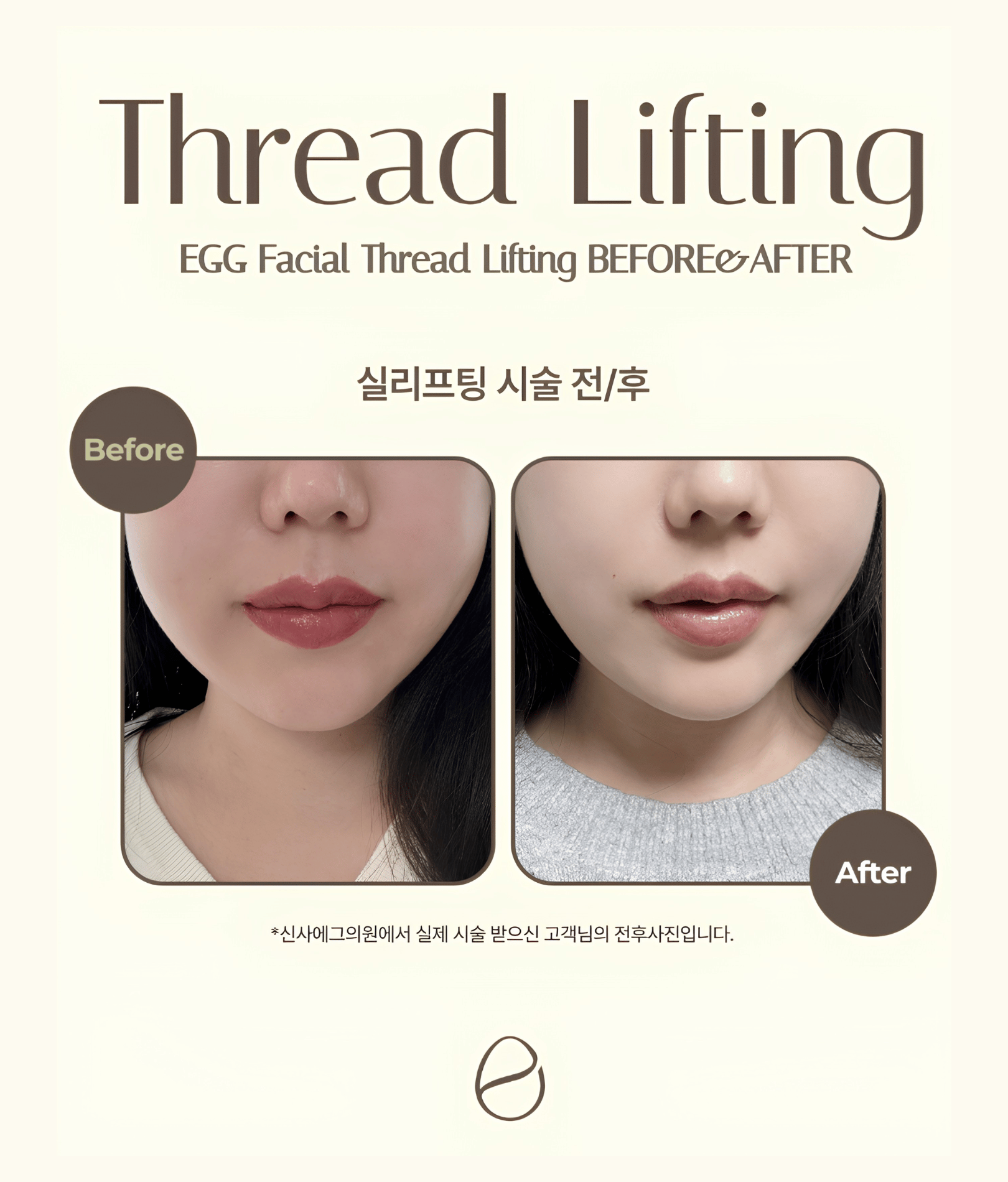
Filler results are often visible immediately because the product provides volume as soon as it is injected. However, swelling and minor asymmetry can temporarily affect the appearance during the first few days.
As the filler settles, patients may notice:
- Improved facial proportions
- Restored volume
- Softer facial lines
- More defined contours
- Enhanced lip or chin shape
- A refreshed appearance
HA filler results commonly last several months to more than a year, depending on the product, location, metabolism, and amount injected. Some longer-lasting filler or collagen-stimulating treatments can produce effects for considerably longer.
Filler Recovery and Aftercare in Korea
Most dermal filler procedures involve minimal downtime, but temporary swelling, redness, tenderness, or bruising can occur. The amount of swelling depends heavily on the injection area and individual response.
After treatment, patients may be advised to:
- Avoid strenuous exercise immediately after treatment
- Minimize alcohol consumption shortly after injection
- Avoid excessive heat such as saunas for a short period
- Avoid unnecessary pressure or massage of the treated area
- Follow the clinic's specific aftercare instructions
- Protect the treated area from excessive sun exposure
If you are traveling in Korea, it is helpful to schedule filler treatment with enough time before your flight or major event to allow initial swelling to settle.
How Should Foreigners Choose a Filler Clinic in Korea?
Choosing a clinic should involve more than comparing the lowest advertised price. International patients should prioritize clear communication, qualified medical professionals, product transparency, and appropriate emergency protocols.
Before treatment, consider checking:
- Whether the injection is performed by a qualified medical professional
- Exact filler brand and product type
- Amount of filler included in the quoted price
- Whether the clinic provides English-language consultation
- Whether the clinic clearly explains potential risks and side effects
- Whether appropriate emergency management is available
- Whether written aftercare instructions are provided
- Whether the clinic has experience treating international patients
For HA fillers in particular, it is reasonable to ask whether the clinic has appropriate protocols and materials available to manage complications, including the use of hyaluronidase when medically indicated.
Final Thoughts
Dermal fillers in Korea offer international patients a wide range of options for restoring volume, enhancing facial contours, and creating more balanced features without surgery. Korean clinics commonly provide both affordable domestic HA fillers and premium imported products, allowing patients to choose according to their treatment goals and budget. The most important factor is not simply the filler brand or price, but appropriate product selection, precise injection technique, facial anatomy, and a customized treatment plan. For foreigners visiting Korea, choosing a clinic with clear communication, transparent pricing, and qualified medical care can make the filler experience safer and more comfortable.