Korean Botox Guide: Treatment Areas, Results and How Long It Lasts

Botox in Korea is used for expression lines (forehead, frown lines, crow's feet), jaw slimming, skin texture ("skin Botox"), body contouring and excessive sweating. Effects usually appear within three to seven days and typically last three to six months for wrinkles and around four to six months for the jaw, depending on the area, dose and your own metabolism.
Korea has a large domestic botulinum toxin industry, and clinics in Gangnam usually offer both Korean-made and imported products. That makes Botox one of the easiest treatments to fit into a short trip. This guide explains the main areas, the product choices and what to expect.
How Botox Works
Botulinum toxin type A temporarily blocks the signal between a nerve and a muscle. The treated muscle relaxes, so the lines it creates soften, or a bulky muscle gradually becomes smaller. In the skin, very diluted toxin can reduce oil and sweat gland activity. The effect wears off as nerve endings recover, which is why treatment needs repeating.
Common Treatment Areas in Korea
Face
- Forehead lines from raising the eyebrows.
- Frown lines (glabella) between the brows.
- Crow's feet at the outer corners of the eyes.
- Bunny lines on the sides of the nose.
- Gummy smile and downturned mouth corners.
- Chin dimpling("orange peel" chin).
Contouring
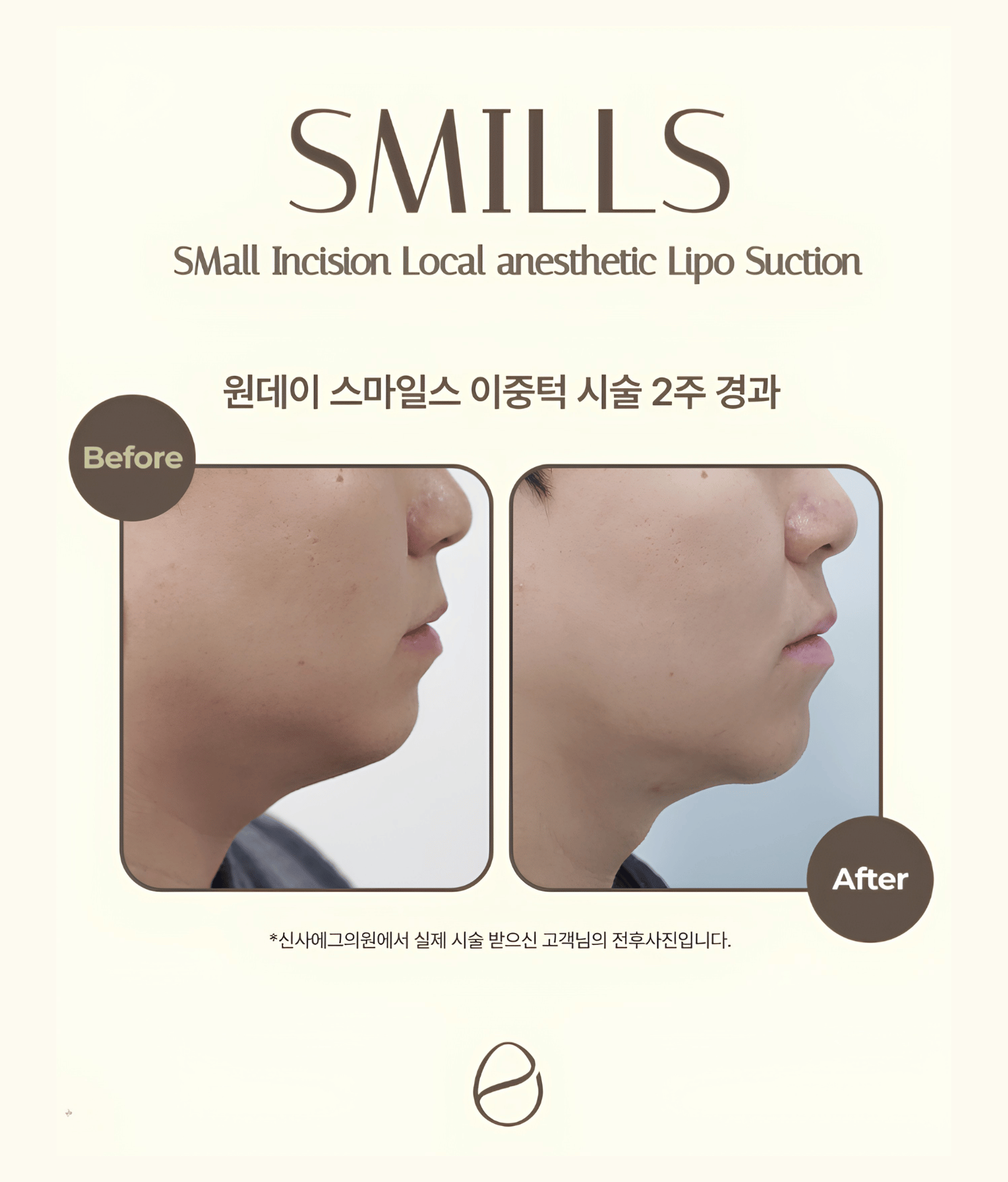
- Jaw (masseter) Botox to slim a square lower face.
- Salivary gland Botox in selected cases of parotid enlargement.
- Neck (platysma) Botox for neck bands and a cleaner jawline.
Skin and Body
- Skin Botox or microbotox for oil, pores and fine texture.
- Trap and calf Botox for shoulder and leg contouring.
- Hyperhidrosis Botox for underarm, hand or foot sweating.
Korean Versus Imported Toxins
Clinics in Korea commonly offer Korean-made toxins such as Nabota, Botulax, Innotox and Coretox, alongside imported products such as Botox (Allergan), Xeomin and Dysport. All licensed products contain botulinum toxin type A, but they differ in formulation, unit dosing and accessory proteins. Imported products usually cost more. Some doctors prefer products with fewer accessory proteins, such as Xeomin or Coretox, for patients who have frequent treatments, because of a theoretical lower risk of developing resistance. Ask which product you are getting and why.
Who Should Not Have Botox
- People who are pregnant or breastfeeding.
- Anyone with a neuromuscular disorder such as myasthenia gravis.
- Those with infection or inflammation at the injection site.
- People with known allergy to any component of the product.
- Anyone taking certain medicines, such as some antibiotics (aminoglycosides), should mention this to the doctor first.
Results, Duration and Side Effects
Results typically start within a few days and reach their peak at around two weeks. Jaw and body Botox take longer to show visible contour change, often four to six weeks, because the muscle needs time to shrink.
Common side effects are mild and temporary:
- Small bumps, redness or pinpoint bruising at injection sites.
- Mild headache for a day or two after forehead treatment.
- A heavy or stiff feeling while you get used to the effect.
Less common effects include eyebrow or eyelid drooping, an uneven smile and chewing fatigue after jaw treatment. These usually improve as the toxin wears off, and some can be balanced with small top-up injections.
Prices in Gangnam
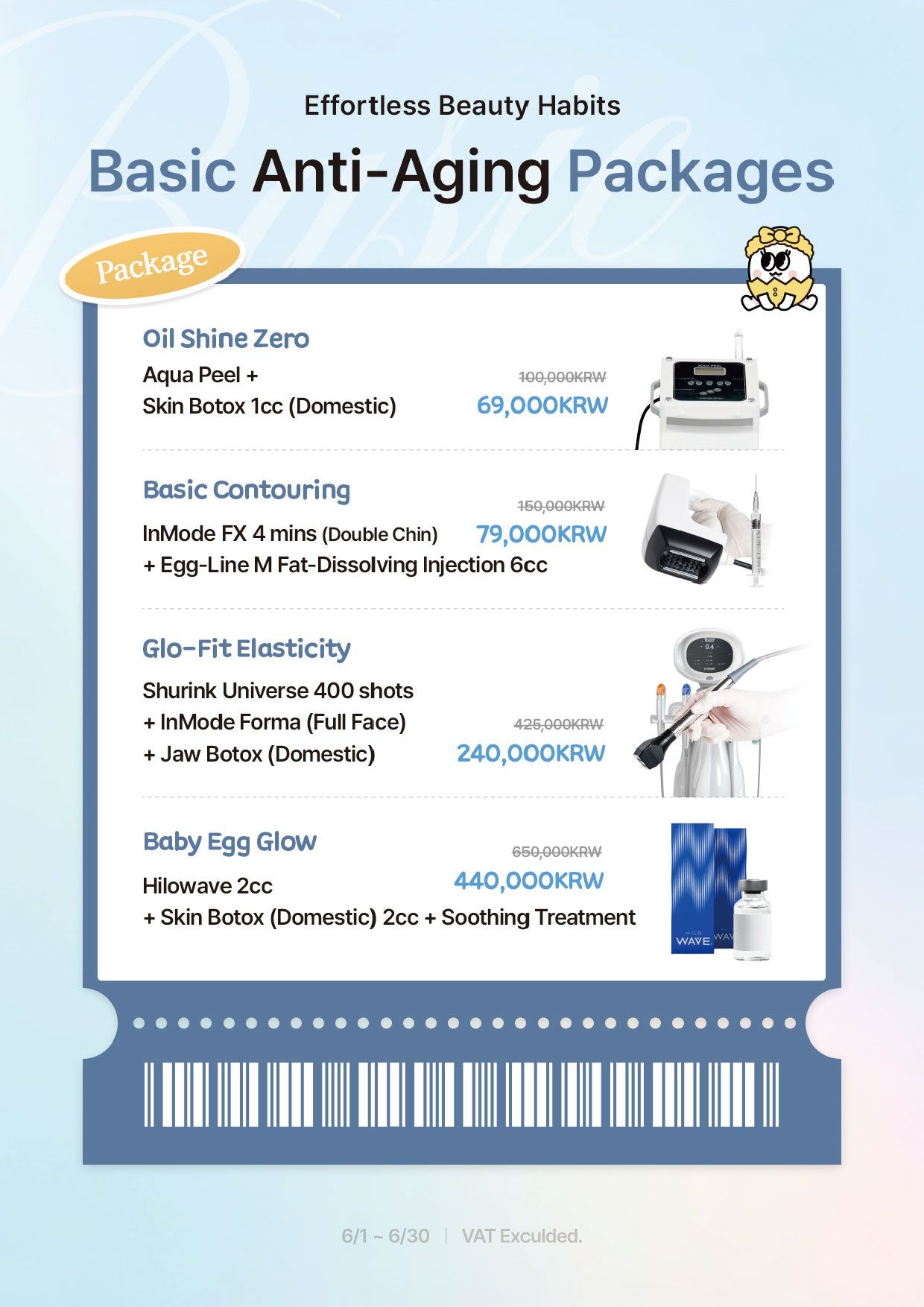
Botox is one of the most affordable treatments in Korea. Published prices in Gangnam start from around ₩20,000 (≈ $15) for small wrinkle areas with Korean toxin, while jaw Botox starts from around ₩25,000 (≈ $19). Imported toxins, larger areas and body treatments cost more. Prices vary by clinic and change over time, so confirm the product and final price before treatment.
Practical Tips for Visitors to Korea
- Botox is usually suitable even on the last day of a trip, since there is little downtime.
- Do not rub or massage the treated area and avoid lying flat for about four hours.
- Avoid saunas, hot yoga and heavy exercise on the day of treatment.
- Note the product and units you received for future treatments at home.
- If you want a two-week check, plan your trip so you can return, or send photos to the clinic.
How to Choose a Clinic for Botox
Because Botox is inexpensive and quick in Korea, it is easy to treat it casually. A few checks help you get a safe, natural result:
- A doctor should examine you first. Muscle strength, brow position and facial asymmetry differ between people, and doses should be adjusted to match.
- Ask for the product name. Korean and imported toxins are priced differently, and you should know which one you received.
- Ask about units. Low prices sometimes reflect low doses, which can mean a shorter-lasting effect.
- Prefer a natural look. A good injector keeps some movement so the face does not look frozen, especially on the forehead.
- Ask about top-ups. Some clinics offer a check at about two weeks to balance any asymmetry.
Frequently Asked Questions
How long does Botox last in Korea?
For wrinkles, Botox typically lasts three to six months. Jaw Botox often lasts four to six months, and body Botox may last a little longer with repeated sessions. The product itself does not change how long it lasts much; dose and area matter more.
Is Korean Botox safe?
Korean toxins used in licensed clinics are approved products. Safety depends mostly on correct dosing, accurate placement and a licensed doctor performing the injection.
Can I fly right after Botox?
Yes, flying is generally fine after Botox. Avoid pressing on the treated areas, for example with a tight eye mask, for the first few hours.
Can I combine Botox with other treatments?
Botox is commonly combined with fillers, boosters and lifting devices. Doctors may perform lifting first and Botox afterwards in the same session.
This article is for general information only and does not replace a consultation with a licensed physician. Results vary from person to person.