Dermal Fillers in Korea: Types, Safety and Natural-Looking Results

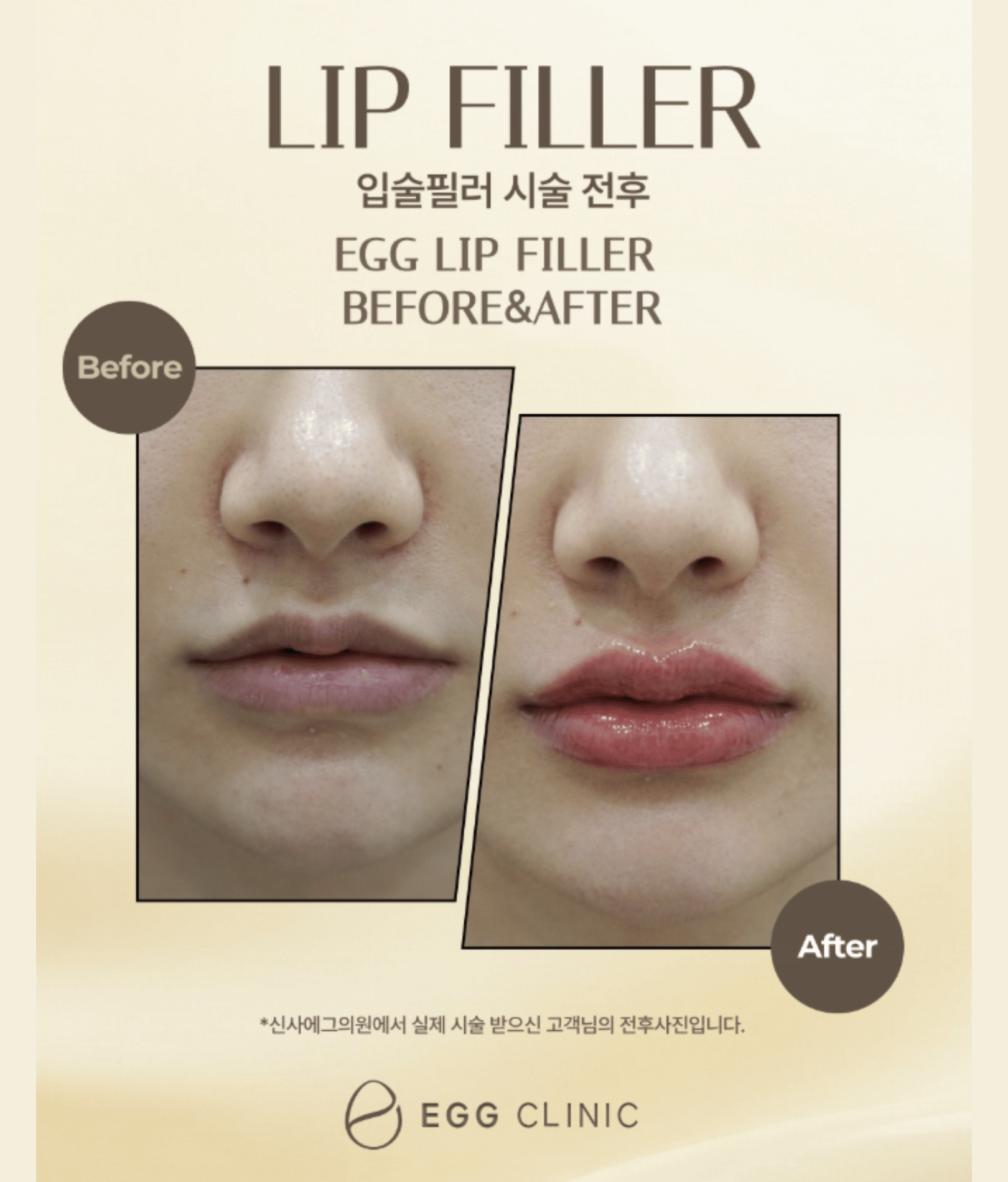
Dermal fillers in Korea are mostly hyaluronic acid (HA) gels injected to restore or reshape volume in areas such as the lips, chin, under-eyes, nose, cheeks and temples. Results are visible immediately and typically last from around six months to two years depending on the product and area, and HA fillers can be dissolved if needed. A natural look in Korea usually comes from conservative amounts and careful facial balancing.
Korean clinics offer both Korean-made and imported fillers, and many doctors focus on subtle, harmonious changes rather than large volumes. This guide covers filler types, safety essentials and how to plan treatment on a trip to Seoul.
Types of Fillers
Hyaluronic Acid (HA) Fillers
HA is a sugar molecule found naturally in the skin. HA fillers are cross-linked to last longer and come in different thicknesses for different areas. Imported brands include Juvederm, Restylane, Belotero and Teosyal; Korean-made brands include YVOIRE, Neuramis and others. Their key benefit is that they can be dissolved with hyaluronidase if needed.
Collagen-Stimulating Fillers
Products such as Sculptra (poly-L-lactic acid), Radiesse (calcium hydroxylapatite) and Juvelook Volume (PDLLA-based) work by stimulating your own collagen over time. They give gradual results and cannot be dissolved like HA.
Body Fillers
Larger-particle fillers are sometimes used for the chest, hips or other body areas. These carry different considerations and need careful assessment.
Common Treatment Areas
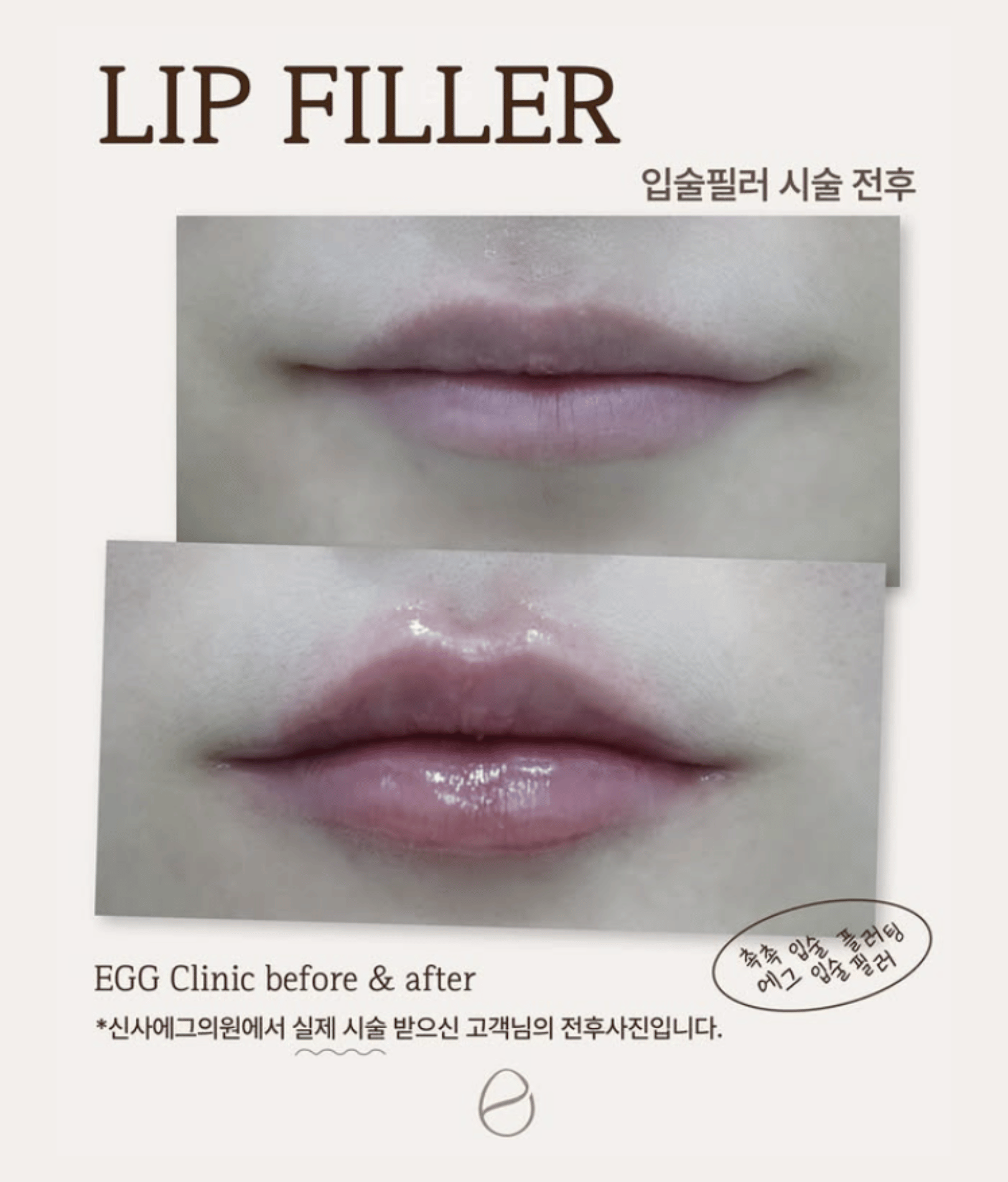
- Lips for gentle volume and definition.
- Chin and jawline for profile balance.
- Under-eyes (tear trough) for hollows and shadows.
- Nose for a higher bridge without surgery.
- Forehead and temples for a smoother, rounder upper face, a popular look in Korea.
- Cheeks and nasolabial folds for mid-face support.
Safety: What to Know
Fillers are generally safe when performed by trained doctors using genuine products, but they are not risk-free.
Common Side Effects
- Swelling, tenderness and bruising for a few days.
- Small lumps that often settle or can be massaged by the doctor.
- Temporary asymmetry while swelling resolves.
Rare but Serious Risks
- Vascular occlusion: filler blocking a blood vessel, which can damage skin and, very rarely, affect vision. Signs include sudden severe pain, skin whitening or a dusky colour. It requires immediate treatment, usually with hyaluronidase.
- Infection or delayed inflammatory nodules.
- The Tyndall effect, a bluish tinge when filler is placed too superficially, especially under the eyes.
Choosing an experienced doctor who knows facial anatomy, uses cannulas where appropriate and keeps hyaluronidase on hand is the most important safety step.
Who Should Avoid Fillers
- People who are pregnant or breastfeeding.
- Those with active infection, cold sores or skin inflammation at the site.
- People with bleeding disorders or uncontrolled autoimmune disease.
- Anyone with known allergy to filler ingredients.
How Long Do Fillers Last?
Duration varies by product and area. Lip filler often lasts around six to twelve months because the lips move constantly. Chin, nose and cheek filler may last around one to two years. Collagen stimulators can last longer, as they rely on your own collagen. Metabolism, exercise and product type all play a role.
Getting a Natural Result
- Start small. You can add more later; removing is more complicated.
- Think about balance. A small change in the chin or temples can improve the whole face.
- Share photos. Show the doctor looks you like and dislike.
- Confirm the product. Ask for the brand and syringe volume, and check that sealed syringes are opened in front of you.
Prices in Gangnam
Published filler prices in Gangnam start from around ₩100,000 (≈ $74). Korean-made HA fillers usually start from around ₩160,000 (≈ $119) per syringe, while imported brands start from around ₩300,000 (≈ $222). Prices vary by clinic, area and product, and change over time.
Practical Tips for Visitors to Korea
- Allow at least three to five days after filler before important photos or events.
- Avoid alcohol, saunas and strenuous exercise for 24 to 48 hours.
- Do not massage the area unless the doctor instructs you to.
- Keep a record of the product, area and volume for future treatments.
- Flying a day or two after filler is usually fine, but ask your doctor.
Korean Versus Imported Fillers
Korean-made HA fillers are widely used in Korea and are usually more affordable, while imported brands such as Juvederm, Restylane and Belotero are well established internationally and often cost more. Both groups include products of different thickness and firmness, so the choice usually depends on the area and the look you want rather than the country of origin alone. If you plan to see a doctor at home later, knowing the exact brand and product line helps them plan future treatment or dissolve filler if needed.
Frequently Asked Questions
Are Korean fillers safe?
Korean-made HA fillers used in licensed clinics are approved products and widely used. As with all fillers, safety depends mainly on the injector's skill and the use of genuine products.
Can filler be removed?
HA fillers can be dissolved with hyaluronidase. Collagen-stimulating fillers cannot be dissolved in the same way.
How much filler do I need?
It depends on the area and your goals. Many natural-looking results use one syringe or less per area, but a doctor will advise after assessment.
Can I get Botox and filler on the same day?
Yes, they are often combined. The doctor may inject Botox first and then filler.
This article is for general information only and does not replace a consultation with a licensed physician. Results vary from person to person.