Ultherapy Korea vs USA: Cost & Treatment Comparison
Ultherapy Korea vs USA: Cost & Treatment Comparison
Ultherapy is a popular non-surgical lifting treatment in both Korea and the United States. It uses microfocused ultrasound to stimulate collagen remodeling and improve skin laxity without surgery, making it a common choice for patients who want a firmer jawline, tighter lower face, or improved neck definition.
One of the biggest differences between Korea and the USA is the cost. In general, Ultherapy is considerably less expensive in Korea, particularly when comparing similar treatment areas and shot counts. However, price should not be the only consideration. Provider experience, treatment planning, shot distribution, treatment area, device authenticity, and the overall treatment protocol can all affect the value of the procedure.
How Much Does Ultherapy Cost in Korea?
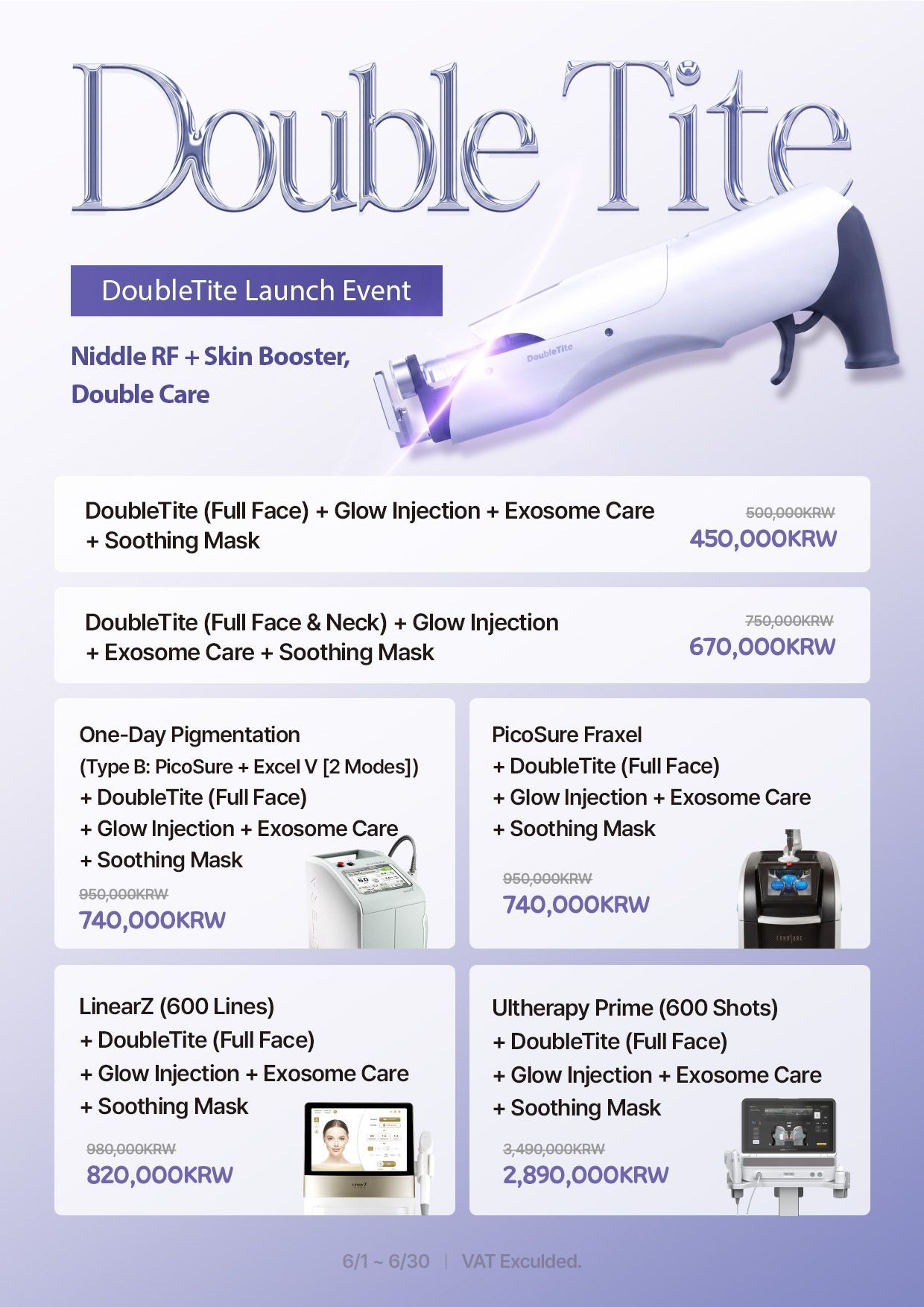
In Korea, Ultherapy is commonly priced according to the number of treatment lines or shots. Seoul clinics frequently advertise 300-shot, 600-shot, and higher-shot packages.
As a general 2026 reference:
- 300 shots: approximately ₩800,000–₩1,600,000
- 600 shots: approximately ₩1,500,000–₩3,000,000
- 800 shots: approximately ₩2,000,000–₩4,000,000
- 900–1,000+ shots: approximately ₩2,500,000–₩5,000,000+
Some promotional clinics may advertise prices below these ranges, while premium physician-led clinics can charge substantially more.
The exact price depends on whether the treatment covers the full face, lower face, jawline, neck, or additional areas. Patients should also check whether VAT is included because Korean clinics do not all display prices in the same way.
How Much Does Ultherapy Cost in the USA?
Ultherapy is generally more expensive in the United States.
Current U.S. price references commonly place treatment around $2,500–$5,500, although individual clinics can charge outside this range. Patient-reported pricing data also shows substantial variation depending on the treatment area, provider, and location.
Typical U.S. pricing may be approximately:
- Targeted treatment: around $1,000–$2,000+
- 300-shot or smaller facial treatment: around $2,000–$3,000+
- 600-shot or comprehensive facial treatment: around $3,500–$5,000+
- Face and neck or extensive treatment: approximately $5,000–$8,000+ at some practices
Prices can be particularly high in major metropolitan areas and premium dermatology or plastic surgery practices.
Unlike Korean clinics, U.S. practices may also price treatment more heavily around the provider's credentials, treatment area, and practice location rather than presenting standardized shot-based packages.
Ultherapy Korea vs USA: 300 vs 600 Shots
Shot count is one of the easiest ways to compare treatment packages, but the same number of shots does not necessarily mean the same treatment.
In Korea:
- 300 shots are commonly used for targeted or smaller treatment plans.
- 600 shots may provide broader facial coverage.
- 800–1,000+ shots may be considered for extensive facial or face-and-neck treatment.
In the USA:
- Pricing is often quoted according to the treatment area rather than prominently advertising a fixed shot package.
- A full-face or face-and-neck treatment can therefore have a substantially higher total price.
- The provider may determine the appropriate number of lines based on facial anatomy and treatment goals.
When comparing Korea and the USA, always ask how many lines are being used and which areas those lines will cover.
Ultherapy Korea vs USA: Treatment Areas
The treatment area is another major factor affecting the final price.
Common Ultherapy treatment areas include:
- Lower face: cheeks, jowls, and jawline
- Jawline and chin: focused contour improvement
- Full face: broader facial tightening
- Submental area: loose skin beneath the chin
- Neck: additional treatment for cervical skin laxity
- Brow area: selected upper-face lifting
A 300-shot lower-face treatment should not be compared directly with a 300-shot full-face treatment without examining the treatment map.
Likewise, a U.S. clinic quoting a “full-face Ultherapy” price may be providing a different amount of treatment from a Korean clinic advertising a 300-shot package.
The most meaningful comparison is therefore treatment area + shot count + treatment depth, rather than price alone.
Why Is Ultherapy Cheaper in Korea?
There are several reasons Korean clinics can offer lower Ultherapy prices than many U.S. practices.
Korea has a highly developed aesthetic medicine market with a large number of clinics performing energy-based procedures. High patient volume, competitive pricing, standardized treatment packages, and strong demand for non-surgical lifting can contribute to lower consumer prices.
Other factors include:
- High treatment volume
- Strong competition between clinics
- Large aesthetic medicine market
- Standardized shot-based packages
- Lower operating costs in some clinic models
- High availability of experienced aesthetic providers
However, not every Korean clinic follows the same operating model. Premium physician-led clinics may charge prices closer to international levels, particularly when treatment is highly customized.
Therefore, “Korea is cheaper” does not mean every Korean clinic offers the same price or treatment experience.
Does Cheaper Mean Lower Quality in Korea?
Not necessarily.
The price difference between Korea and the USA does not automatically indicate that the underlying Ultherapy technology is inferior in Korea. The quality of a treatment depends heavily on the device, provider, treatment planning, and execution.
When choosing a Korean clinic, verify:
- The exact Ultherapy device being used
- Whether authentic manufacturer cartridges are used
- Number of treatment lines
- Treatment depths
- Treatment areas
- Provider qualifications
- Whether the treatment is physician-led
- How the lines are distributed across the face
A very low promotional price deserves closer examination, but a higher price does not automatically guarantee a better outcome either.
Ultherapy Treatment Experience: Korea vs USA
The treatment experience can differ between clinics in both countries.
In Korea, patients may encounter highly structured aesthetic clinics where treatment packages are organized around shot counts and treatment areas. Some clinics also have extensive experience treating international patients and provide multilingual communication.
In the USA, treatment is often provided through dermatology, plastic surgery, or medical aesthetic practices. Pricing and treatment planning can be more individualized according to the provider and practice.
Both approaches can provide appropriate treatment. The most important factor is whether the provider understands facial anatomy and can select suitable treatment depths and energy settings.
For international patients, Korea can also be convenient when Ultherapy is being combined with other aesthetic treatments during the same trip. However, patients should avoid scheduling too many procedures without allowing sufficient recovery time.
Ultherapy Korea vs USA: Results and Maintenance
The expected biological response to Ultherapy is not fundamentally different simply because the treatment is performed in Korea or the USA. Ultherapy stimulates collagen remodeling, so results generally develop gradually over the following weeks and months.
Results can vary according to:
- Age
- Degree of skin laxity
- Facial anatomy
- Skin thickness
- Treatment area
- Number and distribution of lines
- Energy settings
- Provider technique
- Individual collagen response
A treatment performed with fewer but appropriately positioned lines may be more suitable than simply maximizing the shot count.
Maintenance also varies between patients. Some may consider repeat treatment when the original lifting effect begins to diminish, while others may wait longer depending on their skin condition and goals.
Is It Worth Traveling to Korea for Ultherapy?
For a patient already planning to visit Korea, Ultherapy can be considerably less expensive than comparable treatment in the USA.
For a U.S.-based patient traveling specifically for Ultherapy, however, the calculation is more complicated.
Additional costs can include:
- Round-trip airfare
- Hotel accommodation
- Food
- Local transportation
- Travel insurance
- Time away from work
- Follow-up or aftercare after returning home
If Ultherapy is the only procedure you plan to receive, travel expenses can reduce or eliminate the headline price advantage.
The economics can make more sense for patients who are already traveling to Korea or who are planning several appropriate medical or aesthetic procedures during the same trip.
Korea vs USA: What Should You Compare Before Booking?
Instead of comparing only the advertised price, create a complete treatment comparison.
Check:
- Exact device: Is it authentic Ultherapy or another ultrasound device?
- Shot count: How many lines are included?
- Treatment area: Face, lower face, jawline, neck, or full face?
- Treatment depth: Which transducers will be used?
- Provider: Who will perform the treatment?
- Treatment planning: Is the protocol customized?
- VAT and taxes: Are they included in the quoted price?
- Aftercare: What support is available after treatment?
- Travel costs: How much will the complete trip cost?
- Follow-up: How will concerns be handled after returning home?
For international patients, communication is particularly important. You should be able to understand exactly what treatment you are purchasing before agreeing to the procedure.
Korea vs USA Ultherapy: Which Is Better?
There is no universal answer that Korea or the USA provides the “better” Ultherapy treatment.
Korea may be more attractive if:
- You want lower treatment costs
- You are already traveling to Korea
- You want to compare multiple aesthetic clinics
- You prefer shot-based treatment packages
- You are interested in combining appropriate aesthetic treatments
- You want access to clinics with extensive experience in non-surgical lifting
The USA may be more convenient if:
- You live in the United States
- You want treatment close to home
- You value convenient follow-up
- You prefer an established relationship with a local dermatologist or plastic surgeon
- Traveling internationally would cost more than the potential treatment savings
The best choice ultimately depends on the total cost, provider quality, treatment protocol, and convenience rather than the country alone.
Final Thoughts
Ultherapy is generally less expensive in Korea than in the USA, with 300-shot Korean treatments commonly falling around ₩800,000–₩1,600,000 and 600-shot treatments around ₩1,500,000–₩3,000,000. U.S. treatment commonly ranges from approximately $2,500 to $5,500, with extensive face-and-neck treatments potentially costing considerably more.
The price difference can make Korea attractive for international patients, but treatment quality should never be judged by price alone. Shot count, treatment area, treatment depth, device authenticity, provider experience, and treatment planning all matter.
If you are comparing Korea and the USA, the most useful question is not simply “Where is Ultherapy cheaper?” but “Where can I receive the appropriate treatment protocol from a qualified provider at a reasonable total cost?”
For patients already visiting Korea, the combination of competitive pricing and a large aesthetic medicine market can make Seoul an appealing option. For patients traveling solely for Ultherapy, however, airfare, accommodation, and follow-up considerations should be included before deciding whether the overall savings are worthwhile.