Thermage vs InMode: Which Treatment Should You Choose?
Thermage vs InMode: Which Treatment Should You Choose?
Thermage and InMode are both popular radiofrequency (RF) treatments for non-surgical facial rejuvenation in Korea. Because both use RF energy, they are sometimes treated as interchangeable options. However, they have different technologies, treatment goals, and clinical applications.
Thermage FLX is primarily designed for broad RF-based skin tightening and collagen remodeling, while InMode is a broader treatment platform with different technologies that can address skin laxity, facial contour, localized fullness, and skin texture.
The right choice therefore depends on what you want to improve. If your main concern is overall skin firmness and elasticity, Thermage may be more appropriate. If you want tightening combined with contouring or more targeted treatment, a specific InMode treatment may be worth considering.
What Is Thermage FLX?
Thermage FLX is a non-invasive monopolar RF treatment designed to improve wrinkles and skin laxity by delivering controlled radiofrequency energy into the treated tissue. The resulting thermal effect stimulates collagen contraction and remodeling.
Thermage FLX also incorporates cooling and vibration technologies designed to improve treatment comfort and protect the skin surface.
Thermage may be considered for:
- Overall facial skin tightening
- Fine lines and wrinkles
- Crepey-looking skin
- Reduced elasticity
- Mild to moderate skin laxity
- Jawline and cheek firmness
- Periorbital wrinkles with the appropriate treatment tip
One of its main advantages is that it is designed as a broad tightening treatment rather than primarily targeting localized fat or performing surface resurfacing.
What Is InMode?
InMode is not one single treatment. It is a family of RF-based technologies and platforms, with different handpieces designed for different aesthetic concerns.
Depending on the specific technology, InMode can be used for:
- Skin tightening
- Facial contouring
- Localized fullness
- Mild skin laxity
- Skin texture
- Fine lines
- RF microneedling
- Subdermal tissue remodeling
Common InMode technologies include:
- Forma: Non-invasive RF heating focused on skin firmness and remodeling.
- Mini FX: Uses RF and vacuum-assisted treatment and is commonly considered for contouring and localized fullness.
- Morpheus8: Combines microneedling with RF energy to address skin remodeling, texture, and laxity.
- Other InMode configurations: May combine different RF technologies according to the treatment goal.
This distinction is important because “InMode” alone does not tell you exactly what treatment you will receive.
Thermage vs InMode: Main Difference
The biggest difference is the treatment philosophy.
Thermage FLX:
- Uses monopolar RF
- Provides broad thermal treatment
- Focuses on collagen contraction and remodeling
- Is primarily associated with skin tightening and firmness
- Is non-invasive
- Is commonly used as a single-session tightening treatment
InMode:
- Includes several RF-based technologies
- May use bipolar RF, vacuum assistance, microneedling, or combinations depending on the handpiece
- Can target skin tightening and facial contouring
- Some treatments can address localized fullness
- Some options also improve texture and scars
- Treatment and recovery vary significantly by handpiece
In simple terms, Thermage is a specific RF tightening treatment, while InMode is a broader RF platform that can be customized for different aesthetic concerns.
Which Is Better for Skin Tightening?
If your main concern is generalized skin laxity and loss of firmness, Thermage FLX may be the more straightforward option to discuss.
Its monopolar RF technology is designed to create controlled heating within the treated tissue and stimulate collagen remodeling across the treatment area.
Thermage may be particularly suitable if:
- Your skin feels less firm overall
- You have mild to moderate laxity
- Fine lines accompany the loss of firmness
- You have crepey-looking skin
- You want broad facial tightening
- You prefer a non-invasive treatment with minimal downtime
InMode can also tighten the skin, but the specific handpiece matters. Forma, for example, is more directly comparable to non-invasive RF tightening, while Mini FX or Morpheus8 has additional treatment objectives.
Which Is Better for Facial Contouring?
InMode may have an advantage when facial contouring is an important part of your treatment goal.
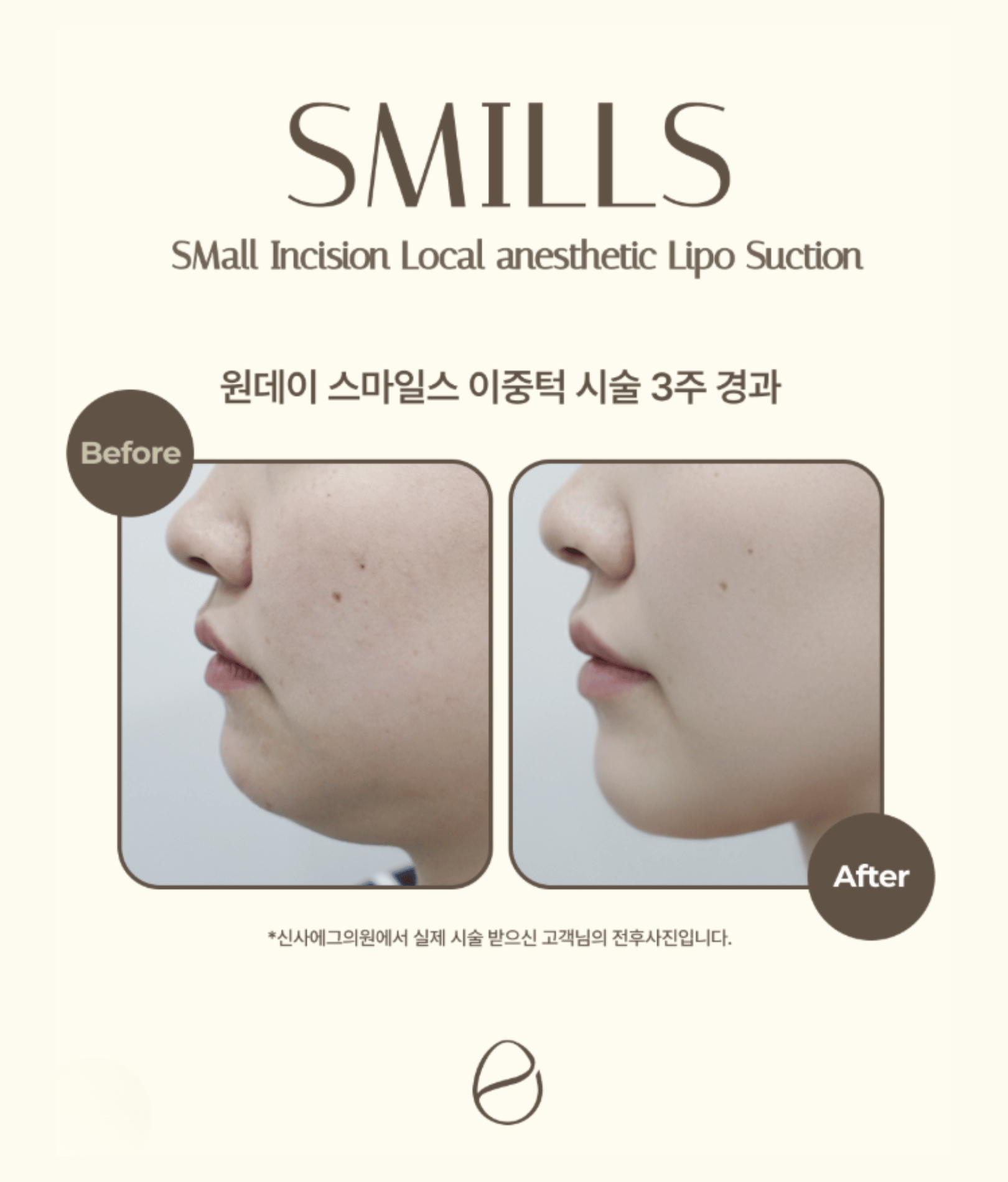
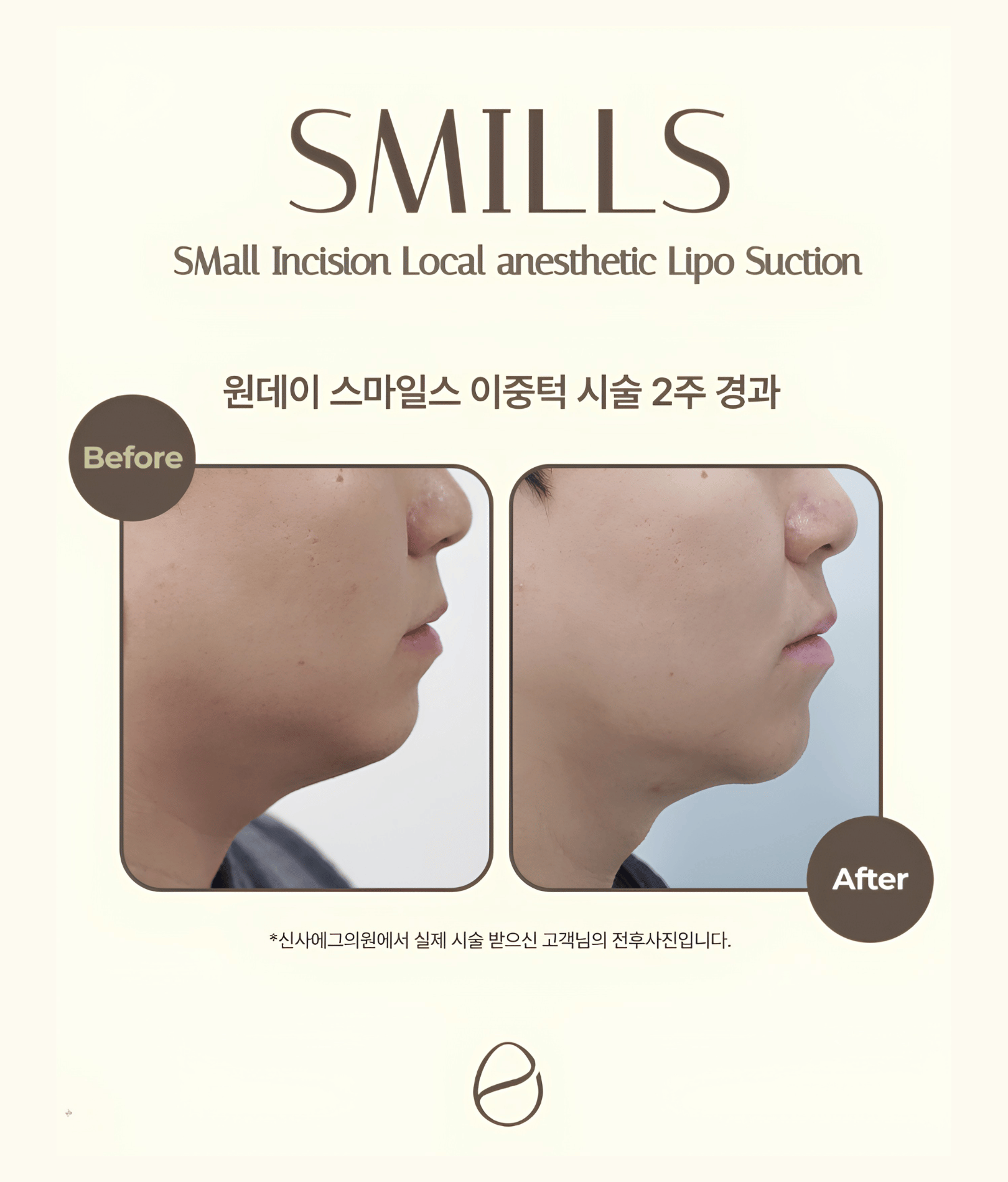
Certain InMode technologies combine RF with vacuum-assisted treatment and can be considered when mild localized fullness accompanies skin laxity. This makes some InMode protocols particularly relevant to areas such as the lower face and submental region.
InMode may be worth discussing if you have:
- Mild lower-face fullness
- Submental fullness
- A less defined jawline
- Mild skin laxity combined with localized volume
- A desire for tightening and contour refinement
Thermage is primarily a skin-tightening treatment. It should not be selected with the expectation of significant fat reduction.
If the main problem is substantial facial fat or pronounced tissue descent, a more comprehensive assessment may be necessary rather than simply choosing a stronger RF treatment.
Thermage vs InMode for Fine Lines and Skin Texture
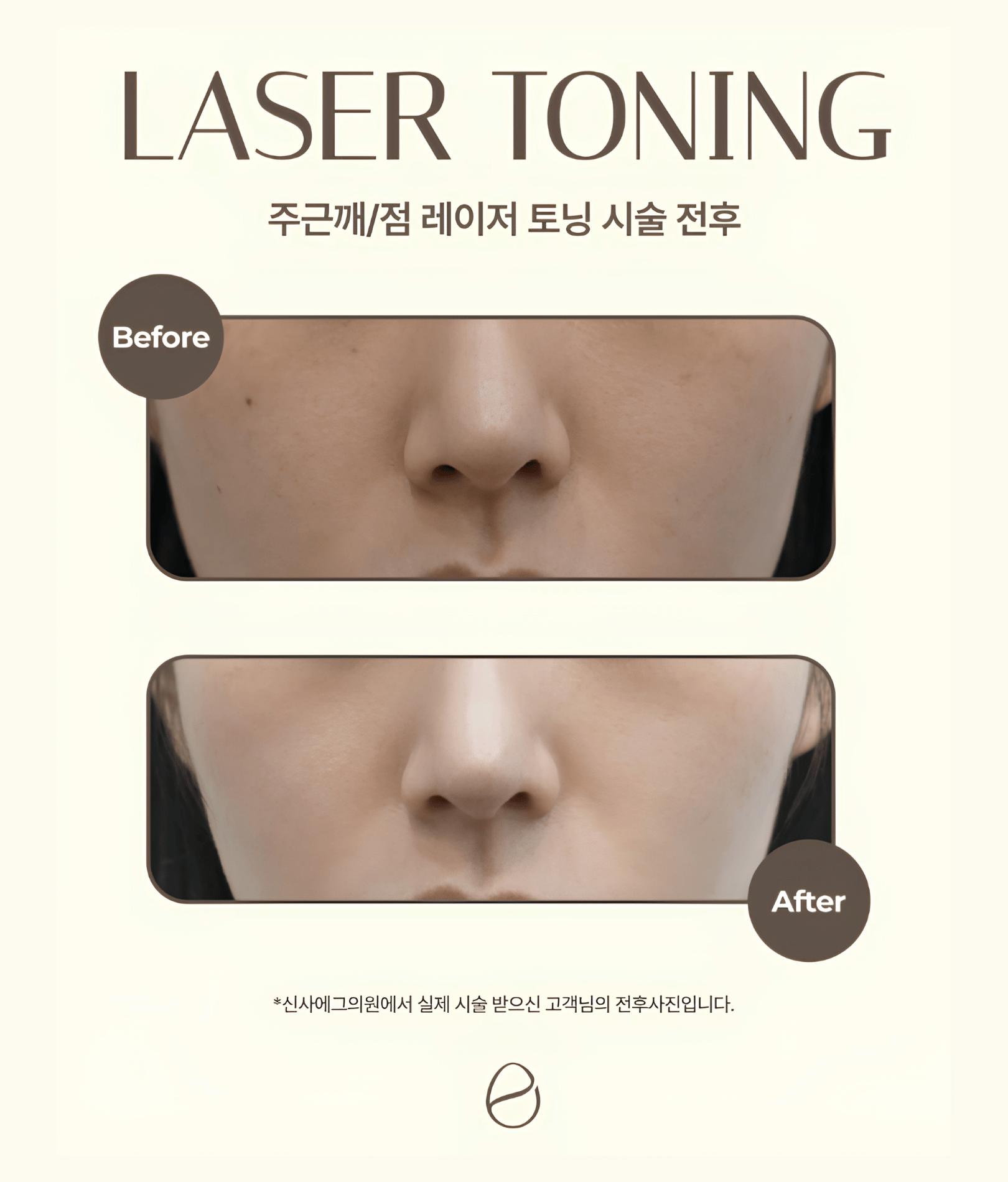
Both treatments can improve the appearance of fine lines through collagen remodeling, but their capabilities differ depending on the InMode handpiece.
Thermage may be particularly useful for:
- Fine facial lines
- Crepey skin
- Periorbital wrinkles
- General loss of skin elasticity
- Overall skin smoothness
Some InMode treatments can address texture more directly.
For example, Morpheus8 combines RF energy with microneedling, making it a different treatment category from non-invasive InMode tightening. It may be considered when laxity is accompanied by:
- Uneven texture
- Acne scars
- Enlarged-looking pores
- Fine lines
- Reduced skin quality
However, because Morpheus8 involves microneedling, it can involve more visible recovery than non-invasive Thermage or Forma.
Which Is Better for the Jawline and Double Chin?
The better choice depends on why the jawline is not defined.
If the main issue is loose skin and reduced elasticity, Thermage may be appropriate for improving overall firmness.
If mild localized fullness and laxity are both present, an InMode technology designed for contouring may be considered.
A provider may evaluate:
- Skin laxity
- Submental fullness
- Facial fat distribution
- Skin thickness
- Jowling
- Jaw structure
- Degree of tissue descent
This distinction is important because tightening loose skin and reducing localized fullness are not the same treatment goal.
Neither Thermage nor InMode should be expected to reproduce the results of surgical neck lifting or facial contouring when significant excess skin or fat is present.
Thermage vs InMode: Pain and Downtime
The treatment experience depends heavily on the specific InMode technology.
Thermage FLX may involve:
- Warmth
- Brief pulses of energy
- Pressure
- Intermittent discomfort
- Temporary sensitivity
Its cooling and vibration features are designed to improve comfort during treatment.
Non-invasive InMode treatments such as Forma generally have minimal recovery. Other InMode technologies can involve more noticeable reactions.
Depending on the handpiece, patients may experience:
- Redness
- Temporary swelling
- Tenderness
- Pinpoint marks
- Mild crusting
- Sensitivity
Morpheus8 and other microneedling-based InMode treatments generally require more recovery than non-invasive RF treatments.
For international patients visiting Korea, the difference can be important when planning the treatment around flights, sightseeing, and other procedures.
How Long Do Thermage and InMode Results Last?
Both treatments rely partly on collagen remodeling, so results develop over time rather than appearing as an immediate surgical lift.
Thermage can produce an early tightening sensation, followed by progressive collagen remodeling over the following months.
InMode results depend on the specific technology. A non-invasive RF treatment may gradually improve firmness, while contour-focused or RF microneedling treatments may require multiple sessions.
Results are influenced by:
- Age
- Degree of laxity
- Skin quality
- Treatment area
- Energy settings
- Number of treatments
- Individual collagen response
- Lifestyle
- UV exposure
Because natural aging continues after treatment, maintenance may eventually be considered.
Can You Combine Thermage and InMode?
In some cases, Thermage and InMode can be used as complementary treatments rather than direct alternatives.
A provider may consider a combination when the patient has both:
- Generalized skin laxity
- Localized facial fullness
- Fine lines
- Skin texture concerns
- Reduced firmness
- Contour concerns
For example, Thermage may be used for broad skin tightening while a specific InMode treatment addresses localized contouring or texture.
However, combining treatments is not automatically better. The appropriate sequence and treatment intensity should depend on skin condition, previous procedures, treatment areas, and recovery requirements.
Thermage vs InMode Cost in Korea
Thermage and InMode have very different pricing structures in Korea.
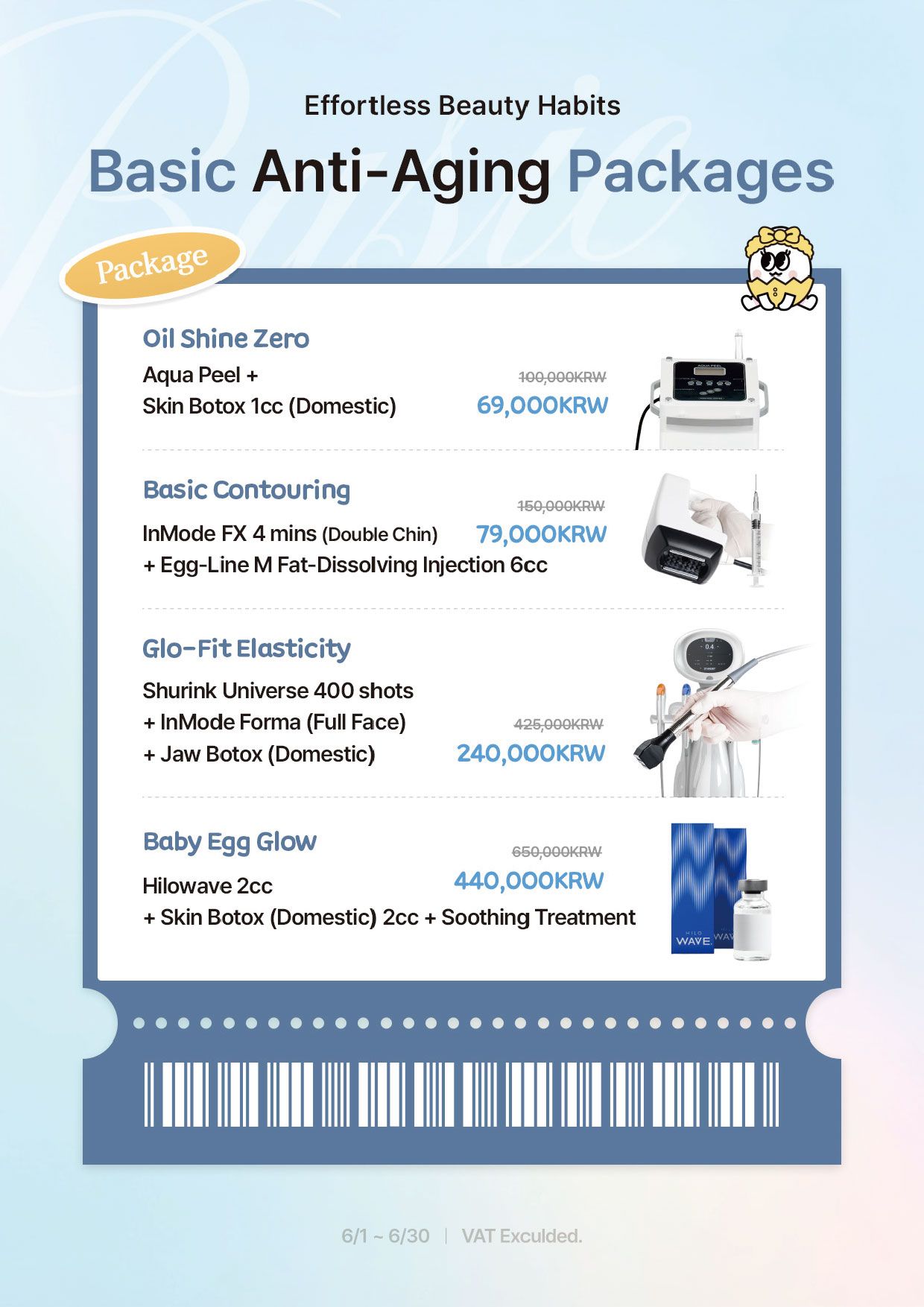
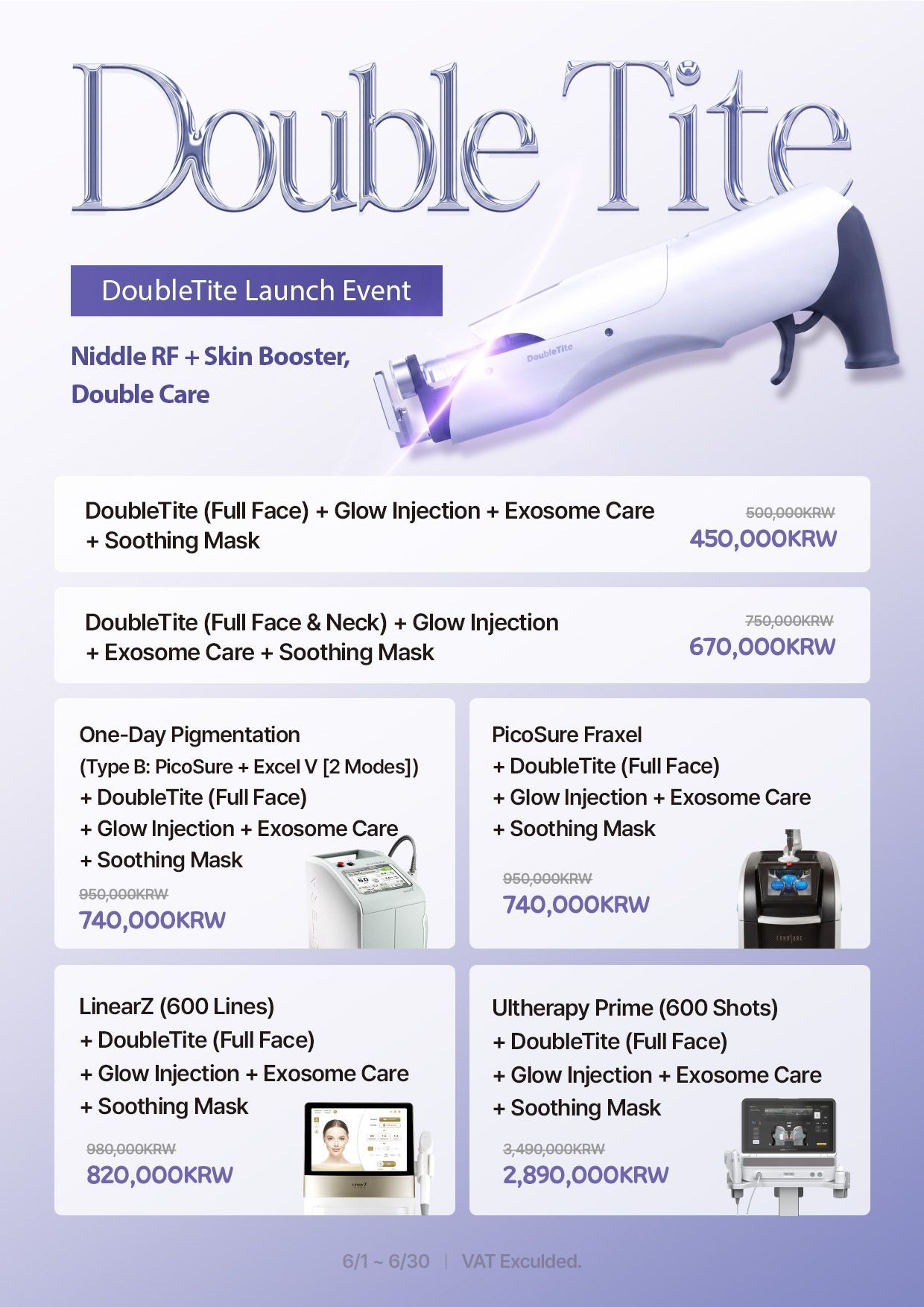
Current Korean treatment listings show a large price gap, with InMode procedures often available at much lower prices than Thermage. InMode prices can range from tens of thousands to several hundred thousand won depending on the handpiece and package, while Thermage FLX treatments can cost well over ₩1 million and commonly reach several million won for larger shot counts.
As a broad reference:
Thermage FLX:
- 300 shots: approximately ₩1,000,000–₩2,000,000
- 600 shots: approximately ₩1,500,000–₩2,700,000
- 900 shots: approximately ₩2,500,000–₩3,500,000+
InMode:
- Basic or targeted treatment: approximately ₩50,000–₩150,000+
- More extensive InMode treatment: approximately ₩100,000–₩300,000+
- Combination or premium protocols: potentially higher
These are broad reference ranges, and InMode pricing is especially difficult to compare because different handpieces can represent completely different treatments.
Budget clinics: lower
Premium doctor-led clinics: higher but more precise
Always confirm the exact InMode technology, treatment area, number of sessions, VAT, and treatment protocol before comparing prices.
How to Choose Between Thermage and InMode
The best option depends on your primary concern.
Thermage may be a better choice if:
- Overall skin tightening is your priority
- Your skin has become less firm
- Fine lines and crepey texture are concerns
- You want broad collagen remodeling
- You prefer a non-invasive treatment
- You want a treatment specifically designed for skin tightening
InMode may be a better choice if:
- You want tightening plus facial contouring
- Mild localized fullness is present
- You want to target the lower face or submental area
- Skin texture is also a concern
- You want to choose between different RF technologies
- You are willing to consider multiple sessions when appropriate
The exact InMode handpiece should always be identified before making the decision. Comparing Thermage with “InMode” as a general category can otherwise be misleading.
Final Thoughts
Thermage and InMode are both useful RF-based options for non-surgical facial rejuvenation, but they are not interchangeable treatments.
Thermage FLX is primarily focused on broad skin tightening, firmness, wrinkles, and collagen remodeling. InMode is a broader RF platform that can be used for tightening, contouring, localized fullness, and skin texture depending on the technology selected.
If your main concern is overall skin firmness and elasticity, Thermage may be the better choice to discuss. If you want tightening combined with contour refinement or targeted skin concerns, a specific InMode treatment may offer more flexibility.
The most important step is to identify the exact InMode technology being recommended and compare it with Thermage based on your skin laxity, facial volume, skin quality, treatment goals, downtime preference, and budget.