Skin Treatment Cost in Korea: 2026 Price Guide
Skin Treatment Cost in Korea: 2026 Price Guide
Korea offers a wide range of skin treatments at different price points, from affordable laser toning and basic pore care to premium skin boosters and advanced lifting procedures. In 2026, treatment costs can vary significantly depending on the clinic, device, treatment area, product, dosage, number of shots, and whether the clinic is a budget-focused or premium doctor-led practice. For international visitors, understanding typical price ranges before booking can make it easier to set a realistic budget and compare treatment options.
Average Skin Treatment Prices in Korea
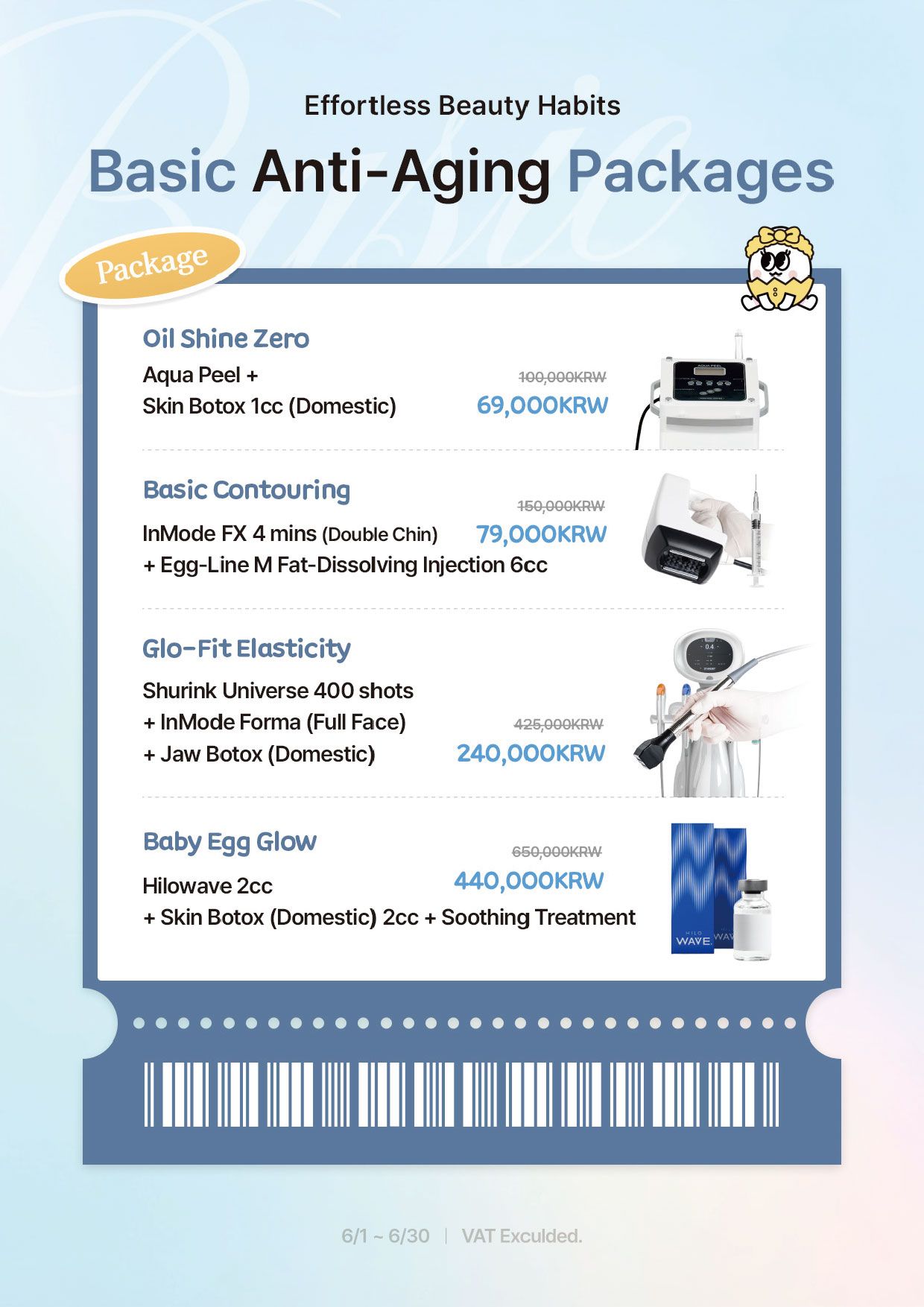
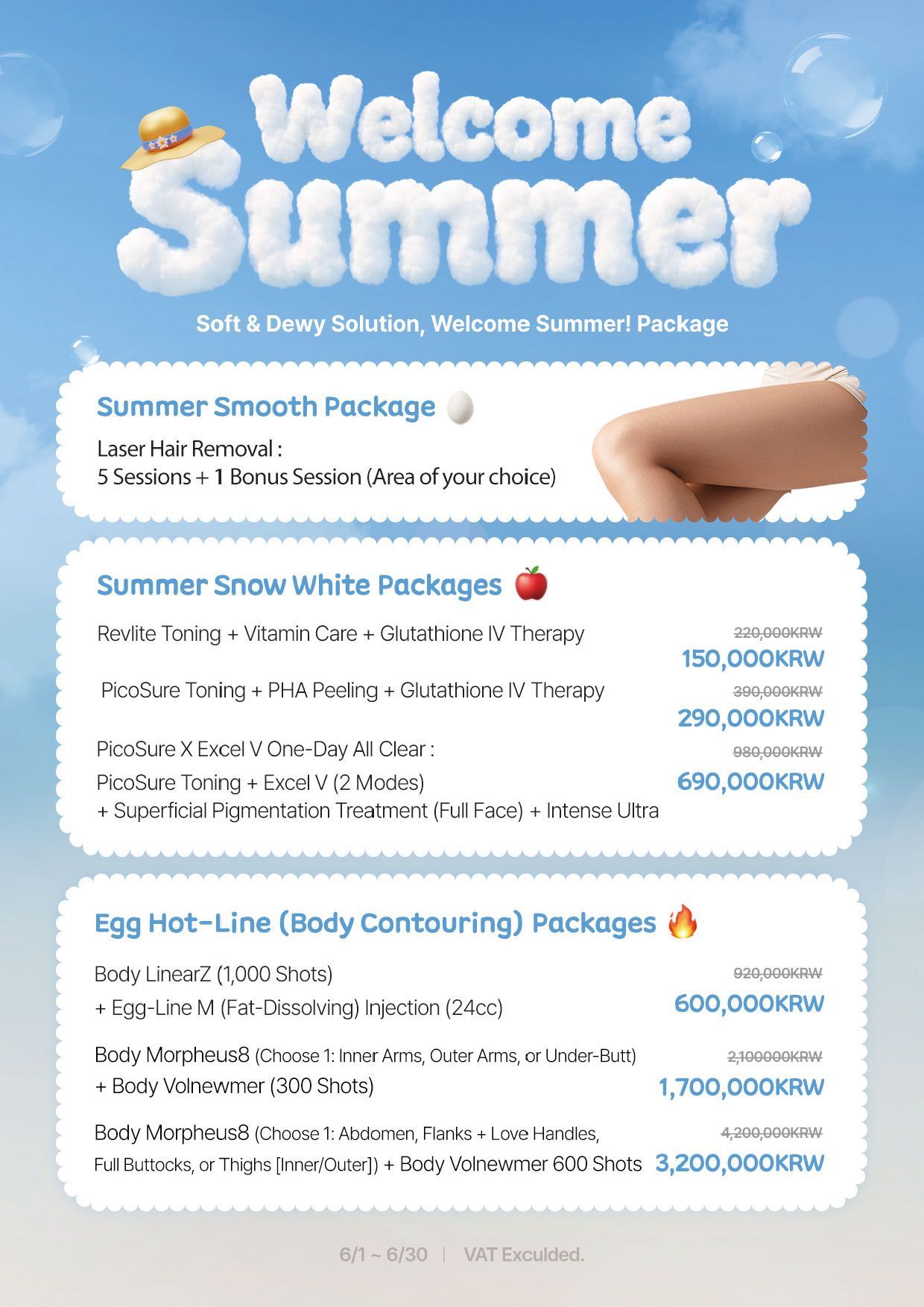
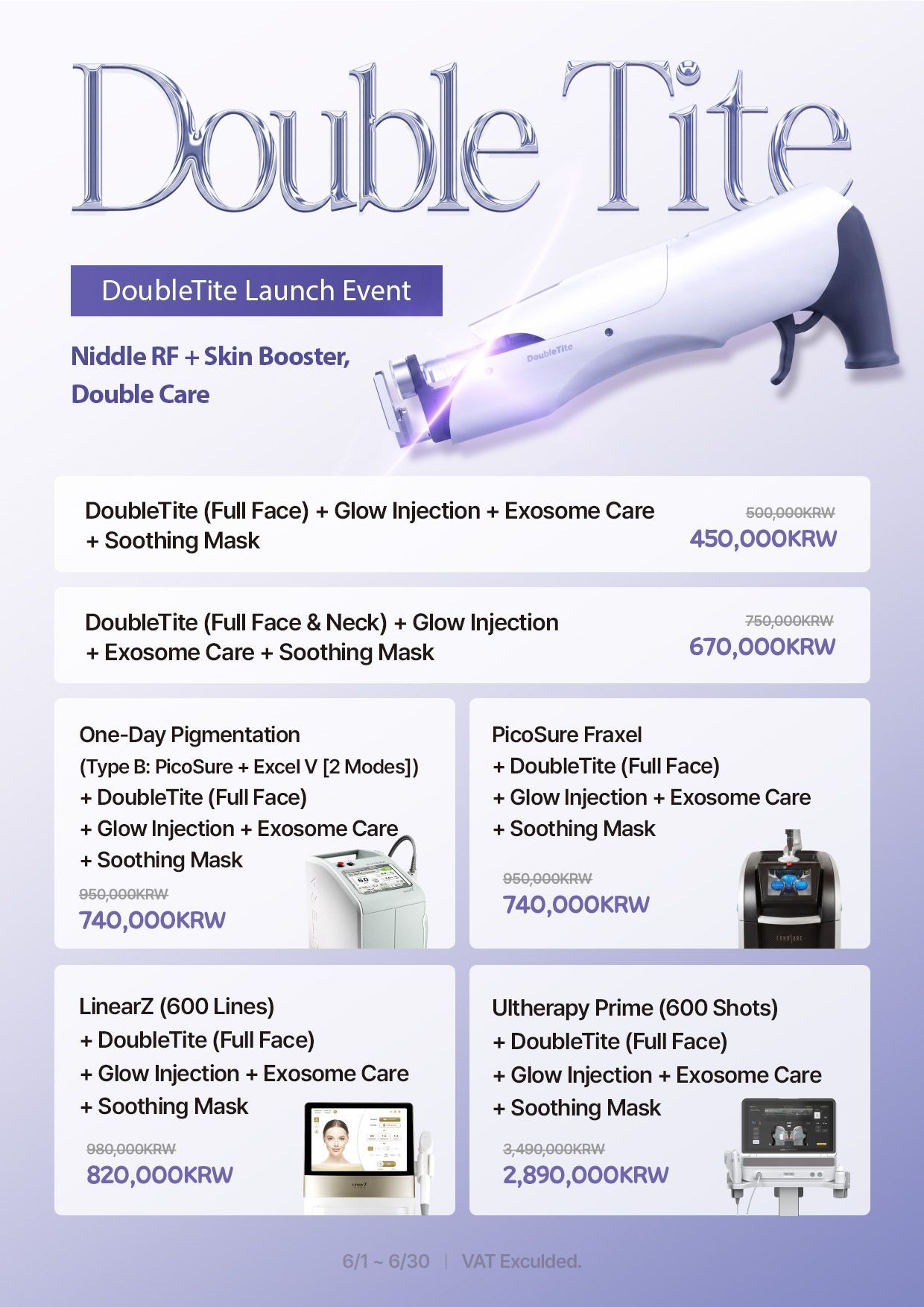
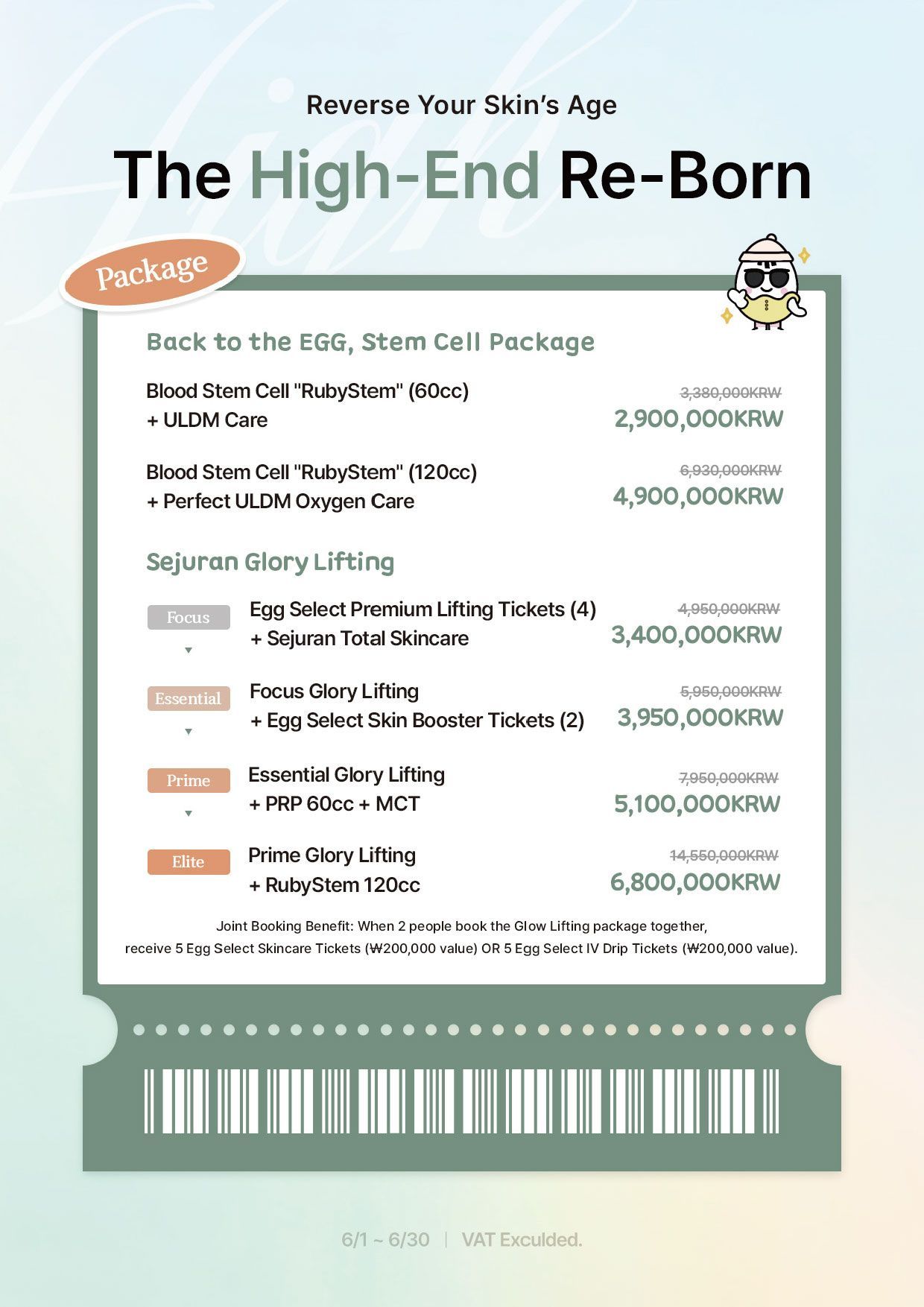
Skin treatment prices in Korea can range from under KRW 100,000 for basic procedures to several million won for premium lifting treatments. Promotional prices can also be substantially lower than standard rates, particularly at high-volume clinics.
Typical 2026 reference ranges include:
- Chemical Peel: KRW 50,000–150,000
- Aqua Peel / Hydrafacial: KRW 50,000–300,000
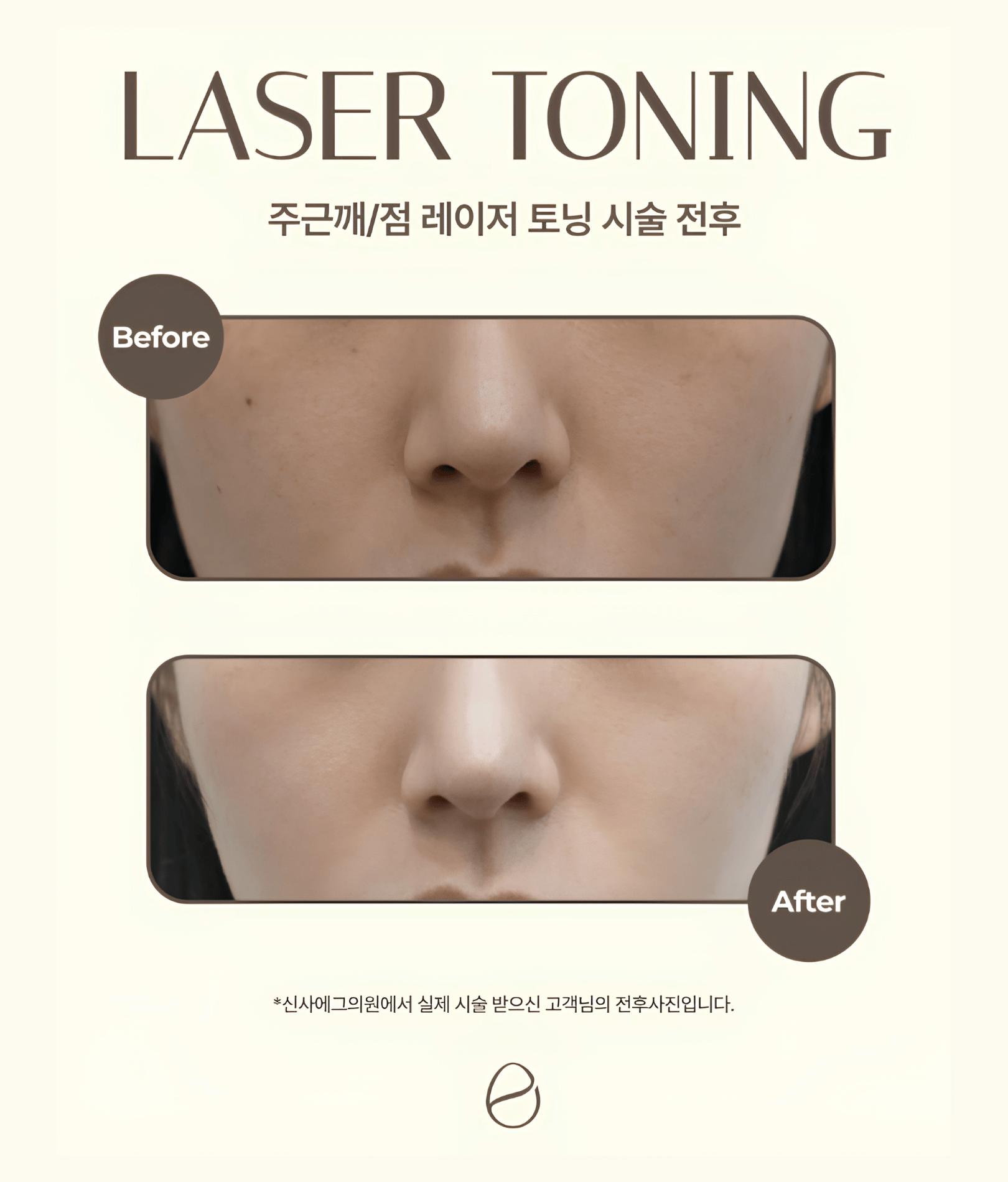
- Laser Toning: KRW 80,000–250,000
- Pico Laser: KRW 150,000–500,000
- Fractional Laser: KRW 200,000–600,000
- RF Microneedling: KRW 250,000–800,000
- Rejuran: KRW 200,000–800,000
- Juvelook: KRW 250,000–900,000
- HA Skin Boosters: KRW 180,000–600,000
- Ultherapy: KRW 1,200,000–3,000,000+
- Thermage: KRW 2,000,000–4,500,000+
These figures are general reference ranges rather than fixed prices. The actual cost can change substantially depending on treatment specifications.
Laser Treatment Costs
Laser treatments are among the most accessible options for visitors who want to address pigmentation, dullness, acne marks, or uneven skin tone.
Common price ranges include:
- Laser toning: KRW 80,000–250,000 per session
- Pico laser: KRW 150,000–500,000
- Fractional laser: KRW 200,000–600,000
- CO2 fractional laser: approximately KRW 200,000–600,000
- IPL: approximately KRW 100,000–250,000
Entry-level laser treatments can be particularly affordable at clinics running promotional events. However, visitors should check whether the advertised price includes the complete treatment or represents a limited trial session.
Skin Booster Prices
Skin boosters are generally more expensive than basic laser treatments because the final price depends heavily on the product, amount used, and treatment technique.
Typical ranges include:
- Rejuran: KRW 200,000–800,000
- Juvelook: KRW 250,000–900,000
- HA skin boosters: KRW 180,000–600,000
- Exosome-based treatments: approximately KRW 400,000–800,000
- PDRN-based treatments: approximately KRW 150,000–400,000
For injectable treatments, comparing only the headline price can be misleading. The amount in cc and the specific product can make a significant difference in the final cost.
Potenza and RF Microneedling Prices
RF microneedling is commonly selected for enlarged pores, acne scars, uneven texture, fine lines, and mild skin laxity.
A typical price range is:
- Basic RF microneedling: KRW 250,000–500,000
- Potenza: KRW 300,000–800,000
- Potenza + skin booster combinations: KRW 450,000–1,000,000+
Combination treatments can cost more because the final price includes both the device-based procedure and the additional injectable or topical treatment.
HIFU and Non-Surgical Lifting Costs
Non-surgical lifting treatments tend to have a higher price range because the cost is often calculated according to the number of shots, treatment area, and specific device.
Typical reference prices include:
- Basic HIFU: KRW 500,000–2,000,000
- Ultherapy: KRW 1,200,000–3,000,000+
- Thermage FLX: KRW 2,000,000–4,500,000+
- Entry-level RF lifting: approximately KRW 200,000–500,000
- Premium RF lifting: approximately KRW 500,000–1,500,000+
For these treatments, the number of shots or amount of energy delivered can be more important than the treatment name itself. A lower advertised price may include fewer shots or a smaller treatment area.
Botox and Other Injectable Costs
Botox is generally one of the more affordable injectable options in Korean clinics, although prices vary according to the brand, treatment area, and dosage.
Reference ranges include:
- Wrinkle Botox: KRW 30,000–150,000 per area
- Forehead or glabella Botox: approximately KRW 50,000–150,000
- Masseter Botox: approximately KRW 100,000–250,000
- HA filler: approximately KRW 200,000–1,200,000 per 1cc
- Collagen stimulators: approximately KRW 400,000–1,200,000 per vial
Imported premium products generally cost more than Korean products, and the appropriate choice depends on the treatment area and desired result.
Why Do Korean Skin Clinic Prices Differ?
Two clinics may advertise the same treatment name but charge very different prices. This does not necessarily mean one clinic is overpriced.
Price differences can come from:
- Device: Different brands and generations of devices have different operating costs.
- Shot count: More shots generally mean a higher price.
- Dosage: Injectable treatments can vary significantly in cc or units.
- Treatment area: Full-face procedures usually cost more than smaller areas.
- Product: Korean and imported injectable products can have different prices.
- Doctor involvement: Premium doctor-led clinics may charge more for consultation and treatment.
- Clinic location: Major aesthetic districts can have different pricing structures.
- Promotions: Event and first-visit prices may be substantially lower than standard rates.
- Combination treatments: Adding boosters, calming care, or other procedures increases the total.
This is why comparing the exact treatment specifications is more useful than comparing treatment names alone.
Budget Clinics vs. Premium Clinics
Korea has both high-volume budget clinics and premium clinics offering more individualized treatment plans. Neither category is automatically right for every patient.
Budget clinics: lower
- Competitive promotional pricing
- Large selection of basic treatments
- Convenient for simple maintenance procedures
- Often attractive for tourists on a limited budget
Premium doctor-led clinics: higher but more precise
- More individualized treatment planning
- Greater emphasis on doctor consultation
- Premium devices or products may be available
- Suitable for patients seeking customized treatment
- Often preferred for complex or intensive procedures
For a simple hydration or brightening treatment, a budget clinic may be sufficient. For advanced lifting, pigmentation management, or combination treatments, some patients may prefer a more personalized approach.
How Foreigners Can Save on Treatment Costs
International visitors can manage their budget by comparing complete treatment specifications rather than choosing the cheapest advertised price.
Useful tips include:
- Check whether VAT is included.
- Confirm the exact treatment area.
- Ask how many shots or cc are included.
- Confirm the exact device and product.
- Check whether consultation fees are separate.
- Compare single-session and package prices.
- Ask whether the promotional price is limited to first-time visitors.
- Avoid purchasing unnecessary combination treatments.
- Consider whether a premium treatment is actually appropriate for your main concern.
A low promotional price can be attractive, but the final cost may increase when additional shots, products, or treatment areas are added.
Final Thoughts
Skin treatment costs in Korea in 2026 range from affordable basic procedures to premium multi-million-won anti-aging treatments. Laser toning and Aqua Peel can start at relatively low prices, while Rejuran, Juvelook, and RF microneedling generally fall into the mid-range category. Ultherapy and Thermage are significantly more expensive, particularly when higher shot counts or premium treatment plans are involved. The most important factor when comparing prices is to look beyond the headline number and check the exact device, dosage, shot count, treatment area, and level of medical consultation included.