Potenza vs Pico Laser: Which Treatment Should You Choose?
Potenza vs Pico Laser: Which Treatment Should You Choose?
Potenza and Pico Laser are both popular treatments in Korean dermatology clinics, but they work in fundamentally different ways. Potenza combines microneedling with radiofrequency (RF) energy to stimulate collagen remodeling within the skin, while Pico Laser uses ultra-short laser pulses to target pigment and improve skin tone and surface appearance.
Because both treatments can be marketed for skin rejuvenation, acne scars, pores, and overall skin improvement, it can be difficult to know which one is more appropriate.
The simplest distinction is:
- Potenza: pores, acne scars, uneven texture, fine lines, and mild skin laxity
- Pico Laser: pigmentation, dark spots, uneven skin tone, post-acne marks, and brightening
- Combination: mixed concerns involving both skin structure and pigmentation
The right choice depends on the underlying cause of your skin concern rather than simply choosing the newest or strongest treatment.
What Is Potenza?
Potenza is an RF microneedling treatment that uses fine needles to deliver controlled radiofrequency energy into targeted layers of the skin.
The microneedles create controlled micro-injuries while RF energy produces thermal stimulation within the dermis. This can encourage collagen remodeling and improve the structural quality of the skin.
Potenza is commonly considered for:
- Enlarged pores
- Acne scars
- Uneven skin texture
- Fine lines
- Mild skin laxity
- Reduced firmness
- Rough skin
- Selected acne-related concerns
One of Potenza's main advantages is customization. Needle depth, RF settings, treatment mode, and tip selection can be adjusted according to the treatment area and skin condition.
What Is Pico Laser?
Pico Laser uses extremely short laser pulses measured in picoseconds. Rather than using needles, it delivers concentrated light energy to the skin.
Depending on the wavelength, handpiece, and treatment settings, Pico Laser can target pigment and produce controlled photomechanical effects that support skin rejuvenation.
Pico treatments are commonly used for:
- Brown spots
- Freckles
- Post-acne pigmentation
- Uneven skin tone
- Dull-looking skin
- Melasma-related pigmentation in selected cases
- Some forms of superficial texture irregularity
- Tattoo pigmentation
Different Pico Laser platforms and wavelengths have different indications, so "Pico Laser" is a broad category rather than one single treatment.
Potenza vs Pico Laser: Main Difference
The biggest difference is the type of energy and the primary target.
Potenza
- RF microneedling
- Uses physical needle penetration
- Delivers radiofrequency energy into the skin
- Primarily supports collagen remodeling
- Targets deeper dermal structure
- Strong option for pores and acne scars
- Can improve firmness and texture
Pico Laser
- Uses ultra-short laser pulses
- Does not require needle penetration
- Primarily targets pigment and selected superficial skin concerns
- Can improve uneven tone and discoloration
- Often used for brightening
- Usually involves less mechanical trauma than RF microneedling
In simple terms, Potenza is more focused on skin structure, while Pico Laser is more focused on pigmentation and skin tone.
Which Is Better for Enlarged Pores?
For enlarged pores, Potenza is generally the more targeted option.
Pores can appear larger because of excess sebum, reduced elasticity, collagen loss, acne-related changes, or uneven skin texture. RF microneedling can address several of these structural factors.
Potenza may be particularly suitable when enlarged pores occur alongside:
- Oily skin
- Uneven texture
- Mild laxity
- Acne scars
- Loss of firmness
Pico Laser can make the skin look brighter and smoother, which may make pores appear less noticeable, but it is not primarily a pore-tightening treatment.
Choose Potenza when pore size and texture are your main concerns.
Which Is Better for Acne Scars?
The answer depends on the type of acne scar.
Potenza may be more suitable for atrophic acne scars, particularly when collagen loss and uneven dermal structure are major factors.
It may be considered for:
- Rolling scars
- Selected boxcar scars
- Shallow depressed scars
- Acne-related textural irregularities
Pico Laser can be useful for some superficial textural concerns and post-acne pigmentation. However, pigmentation left behind after acne is different from an actual depressed scar.
For example:
- Brown marks after acne: Pico Laser may be more appropriate.
- Indented acne scars: Potenza may be more appropriate.
- Red marks: A vascular or pigment-focused laser may be considered depending on the cause.
- Mixed scars and pigmentation: A combination plan may be useful.
Deep or tethered acne scars may require additional procedures such as subcision or other scar-specific treatments.
Which Is Better for Pigmentation?
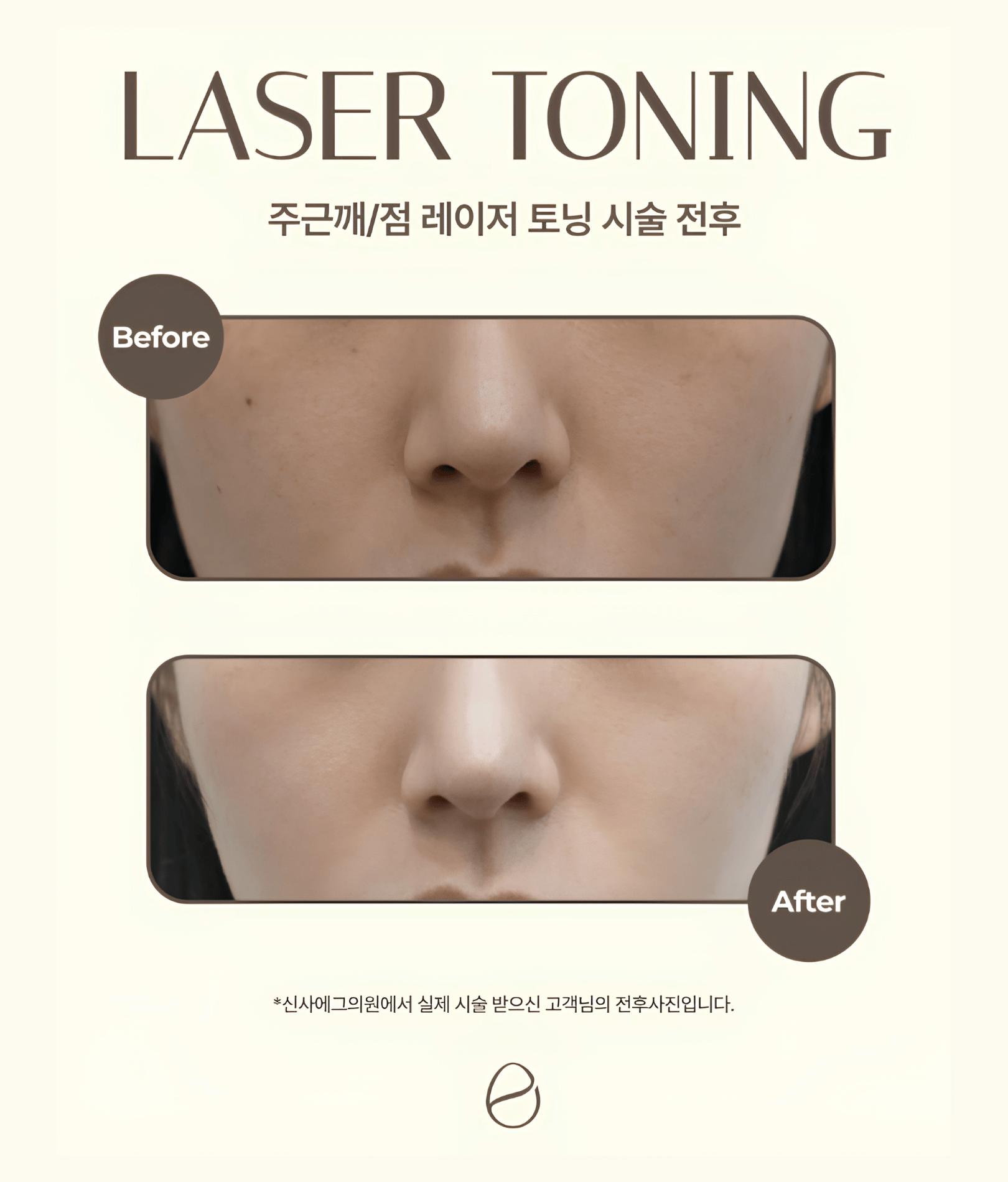
For pigmentation, Pico Laser is generally the stronger choice.
Pico Laser can be selected for concerns such as:
- Freckles
- Sun spots
- Post-inflammatory hyperpigmentation
- Uneven pigmentation
- Dull complexion
- Selected melasma protocols
However, pigmentation treatment requires careful diagnosis. Melasma, freckles, post-inflammatory pigmentation, and other pigmentary disorders do not respond identically to laser treatment.
Potenza is not primarily a pigmentation treatment. It can improve overall skin quality and texture, but it should not normally be selected as the main treatment simply because you want to remove brown spots.
Potenza vs Pico Laser for Skin Texture
Both treatments can improve texture, but they do so differently.
Potenza is generally more appropriate when uneven texture is caused by:
- Enlarged pores
- Acne scars
- Reduced collagen
- Mild laxity
- Uneven dermal structure
Pico Laser may be useful when the skin appears uneven because of:
- Pigmentation
- Sun damage
- Post-acne marks
- Dullness
- Superficial irregularities
If your skin looks rough because of both texture and pigmentation, using only one treatment may leave part of the problem untreated.
Potenza vs Pico Laser for Skin Tightening
Potenza has the clear advantage when skin tightening is the primary goal.
RF energy is delivered into the skin through microneedles, creating controlled thermal stimulation that can encourage collagen remodeling.
Potenza may be considered for:
- Early facial laxity
- Fine lines
- Loss of firmness
- Mild jawline laxity
- Reduced skin elasticity
Pico Laser can support overall skin rejuvenation, but it is not primarily a skin-tightening technology.
If your main concern is loose or less-firm skin rather than pigmentation, Potenza is generally the more relevant option.
Potenza vs Pico Laser: Pain and Downtime
The recovery experience is also different.
Potenza
Because Potenza involves microneedling and RF energy, temporary treatment-related inflammation is expected.
You may experience:
- Redness
- Warmth
- Mild swelling
- Pinpoint marks
- Sensitivity
- Mild bruising
- Temporary dryness or roughness
Recovery varies depending on needle depth, RF energy, treatment area, and individual skin sensitivity.
Pico Laser
Pico Laser generally does not involve needle penetration. Depending on the treatment mode, patients may experience:
- Mild redness
- Warmth
- Temporary sensitivity
- Mild swelling
- Temporary darkening or crusting of treated pigment in some protocols
Many low-energy Pico treatments have relatively little downtime, although more aggressive pigment or resurfacing protocols can produce more visible recovery.
If you have an important event soon after treatment, ask the clinic about the specific Pico mode or Potenza settings being used rather than assuming every treatment has the same recovery period.
Which Is Better for Asian Skin?
Both treatments can be used for Asian skin, but parameter selection is particularly important when treating pigmentation.
Patients with a history of post-inflammatory hyperpigmentation should tell their clinician before treatment.
Important considerations include:
- Skin tone
- Existing pigmentation
- Melasma history
- Previous laser reactions
- Tendency toward post-inflammatory hyperpigmentation
- Treatment energy
- Number of passes
- Treatment interval
- Sun exposure
Pico Laser may be attractive for pigmentation because certain low-energy protocols are designed to target pigment while minimizing unnecessary thermal injury. However, inappropriate laser settings can still cause irritation or pigmentation changes.
Potenza can also be used across a range of skin tones, but RF microneedling should be carefully customized to avoid excessive inflammation.
The safest treatment is not necessarily the most aggressive treatment.
How Many Potenza or Pico Sessions Do You Need?
The number of treatments depends on the concern and the selected protocol.
Potenza
A course of approximately 2–4 sessions may be considered for:
- Enlarged pores
- Acne scars
- Uneven texture
- Fine lines
- Mild laxity
More significant acne scars may require additional sessions or combination treatment.
Pico Laser
The number of sessions varies significantly depending on the pigment problem and laser mode.
A treatment plan may involve several sessions for:
- Pigmentation
- Post-acne marks
- Dullness
- Uneven skin tone
- Melasma management
Some patients may notice an improvement after one session, while others need a longer series.
More sessions do not automatically mean better results. The treatment interval and energy level should be determined according to the skin's response.
Can Potenza and Pico Laser Be Combined?
Yes. Potenza and Pico Laser can complement each other because they address different aspects of skin aging and damage.
A combination plan may be considered when a patient has:
- Enlarged pores plus pigmentation
- Acne scars plus post-acne marks
- Uneven texture plus dullness
- Mild laxity plus sun damage
- Rough skin plus uneven skin tone
A physician may use Potenza to address deeper texture and collagen remodeling while using Pico Laser for pigmentation and overall brightening.
However, the treatments do not necessarily need to be performed on the same day. The timing should depend on treatment intensity, skin sensitivity, and the specific protocols being used.
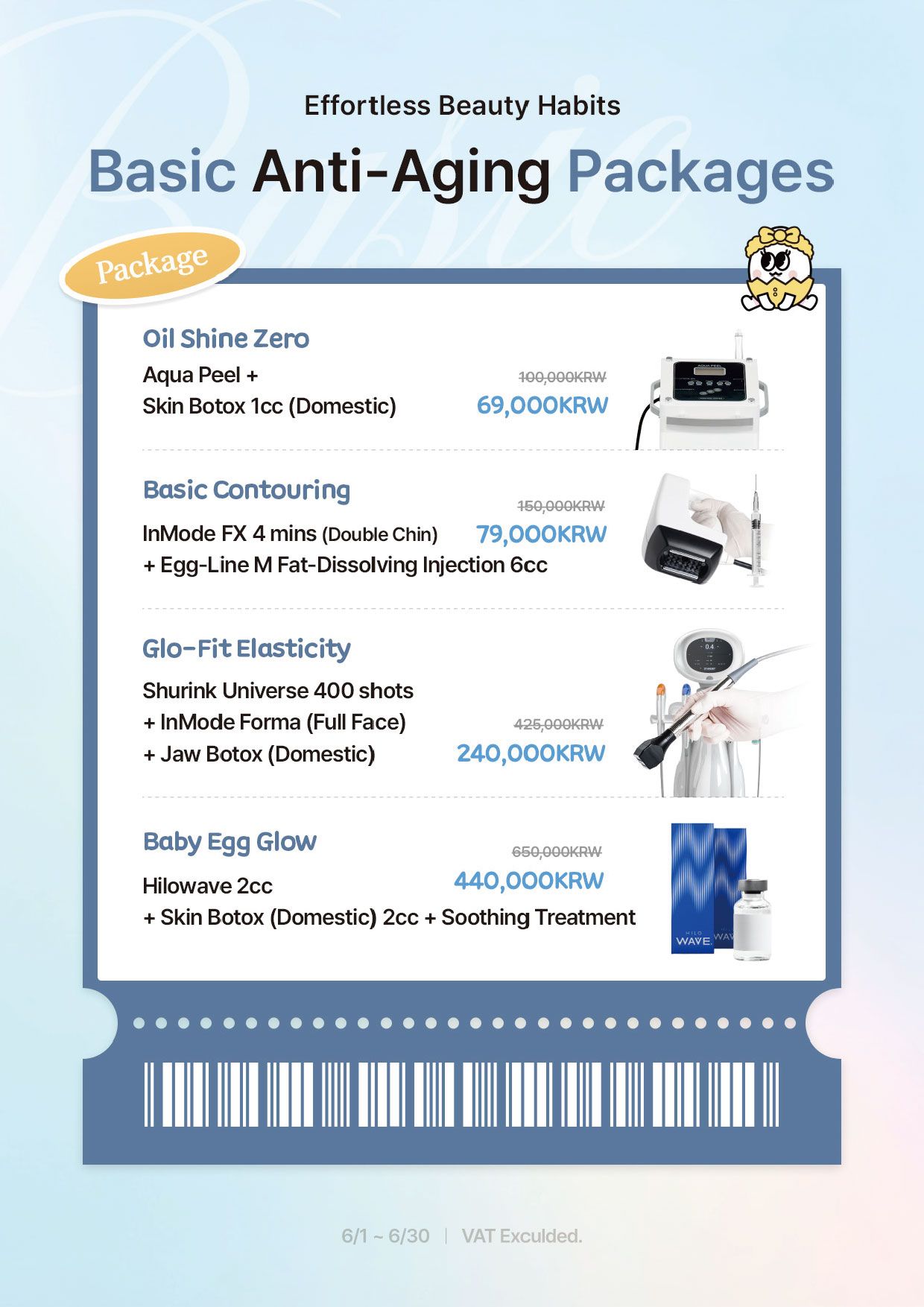
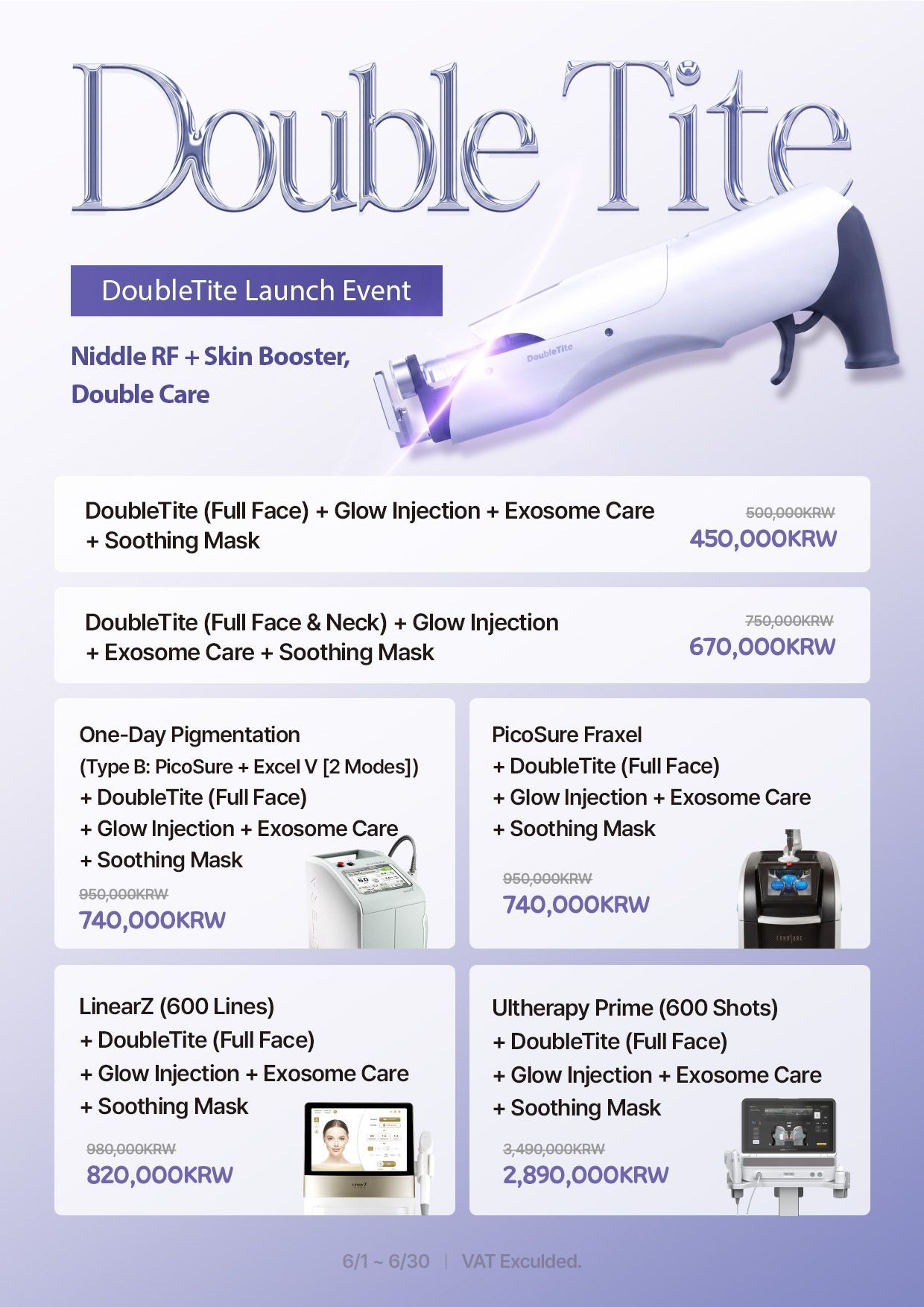
Potenza vs Pico Laser Cost in Korea
Prices vary considerably between Korean clinics depending on the device, treatment mode, treatment area, number of passes, and whether the treatment is part of a package.
A general 2026 reference range is:
Potenza
- Basic session: approximately ₩150,000–₩300,000
- Customized treatment: approximately ₩300,000–₩600,000+
- Premium or combination protocol: approximately ₩500,000–₩1,000,000+
Pico Laser
- Basic Pico toning: approximately ₩50,000–₩150,000 per session
- Pigmentation-focused treatment: approximately ₩100,000–₩300,000+
- Premium Pico or specialized handpiece treatment: approximately ₩200,000–₩500,000+
Budget clinics: lower
Premium doctor-led clinics: higher but more precise
Pico Laser pricing is especially difficult to compare because "Pico" can refer to different devices, wavelengths, handpieces, and treatment modes. Always confirm the exact device and treatment method before comparing prices.
Which Treatment Should You Choose?
Your primary concern is the easiest way to decide.
Choose Potenza if:
- Enlarged pores are your main concern
- You have acne scars
- Your skin texture is uneven
- You have mild skin laxity
- You want collagen remodeling
- Your skin has lost firmness
- You want a more structural approach to rejuvenation
Choose Pico Laser if:
- Brown spots are your main concern
- You have post-acne pigmentation
- Your complexion looks uneven
- You want brighter-looking skin
- You have freckles or selected sun spots
- Pigmentation rather than laxity is your primary concern
Final Thoughts
Potenza and Pico Laser are not interchangeable treatments. Potenza is generally the better choice for pores, acne scars, texture, and mild skin tightening, while Pico Laser is generally more suitable for pigmentation, post-acne marks, uneven tone, and brightening.
If your main concern is a structural problem such as enlarged pores or depressed acne scars, Potenza is usually the more relevant starting point. If your main concern is discoloration or uneven skin tone, Pico Laser may be more appropriate.
For patients who have both concerns, a customized combination approach can sometimes provide more comprehensive improvement. The most important step is to identify whether your primary problem is pigment, texture, collagen loss, or a combination of these factors before selecting the treatment.