Laser Toning in Korea: Results, Sessions & Downtime
Laser Toning in Korea: Results, Sessions & Downtime
Laser toning is one of the most commonly used pigmentation treatments in Korean dermatology clinics, particularly for melasma, uneven skin tone, freckles, and post-inflammatory hyperpigmentation. It typically uses low-fluence laser energy to gradually target excess melanin without aggressively removing the skin's surface. Because the treatment is designed around gradual improvement, patients often receive multiple sessions rather than expecting dramatic results after one procedure.
What Is Laser Toning?
Laser toning generally refers to a low-fluence laser treatment, commonly using a 1064 nm Q-switched Nd:YAG laser. The laser delivers repeated, relatively gentle passes over the skin to target excess melanin.
Laser toning may be used for:
- Melasma
- Freckles
- Post-inflammatory hyperpigmentation
- Uneven skin tone
- Dull complexion
- Mild sun-related pigmentation
- Overall skin brightening
Unlike stronger spot-treatment lasers, laser toning is generally designed to gradually improve pigmentation while minimizing visible injury to the skin surface.
How Does Laser Toning Work?
During laser toning, low-energy laser pulses are delivered across the treatment area. The energy targets melanin within the skin, breaking down pigment into smaller particles that can then be gradually processed by the body.
The treatment approach focuses on:
- Gradual pigment reduction
- Minimal surface damage
- Lower inflammation
- Improvement of overall skin tone
- Repeated treatments rather than aggressive single-session correction
Because pigmentation can respond differently depending on its depth and cause, the laser settings should be customized rather than using the same energy level for every patient.
Laser Toning Results
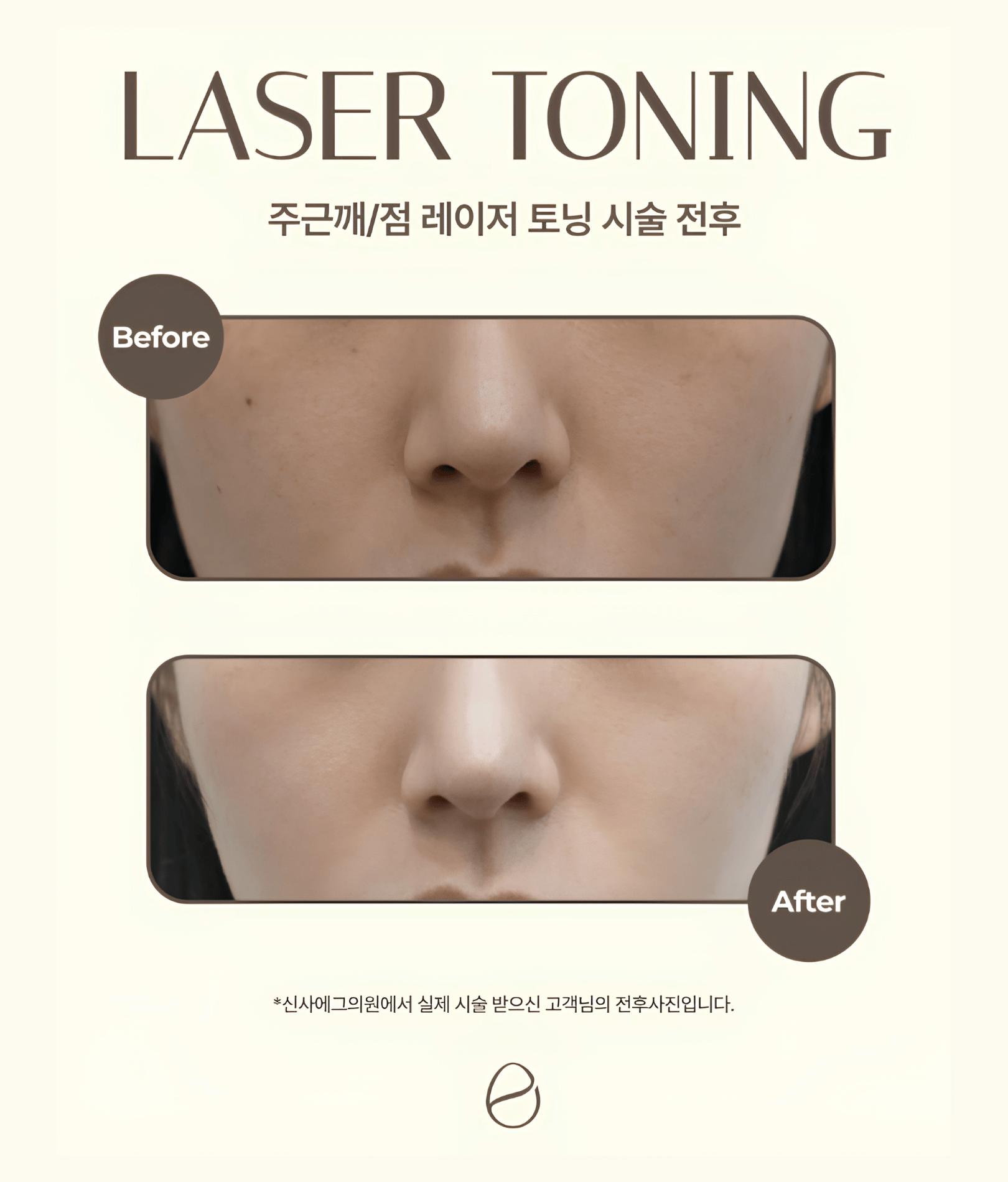
Laser toning results are generally gradual. Patients may notice that their complexion looks brighter or more even after several treatments, while more persistent pigmentation can require a longer treatment course.
Potential improvements include:
- Reduced appearance of mild pigmentation
- More even skin tone
- Brighter-looking complexion
- Less noticeable freckles or dark areas
- Improvement in dullness
- More refined overall skin appearance
For melasma, the goal is usually management and improvement rather than permanent removal. Melasma can recur because of factors such as UV exposure, hormones, heat, and skin irritation, so maintenance and appropriate skincare are often important.
How Many Laser Toning Sessions Are Needed?
Laser toning usually works best as a series of treatments. The exact number depends on the type of pigmentation, skin tone, treatment settings, and individual response.
A typical treatment plan may involve:
- Initial course: around 5–10 sessions
- Treatment interval: often 1–2 weeks apart
- More persistent pigmentation: additional sessions may be recommended
- Maintenance: periodic treatments may be considered after the initial course
The number of sessions should not be determined solely by a standard package. Your dermatologist may adjust the frequency or energy level depending on how your skin responds.
Laser Toning Downtime
One of the main reasons laser toning is popular in Korea is its relatively minimal downtime. Most patients can return to normal daily activities quickly after treatment.
Immediately afterward, you may experience:
- Mild redness
- Temporary warmth
- Slight sensitivity
- Mild swelling in some cases
These effects generally settle relatively quickly. Unlike stronger resurfacing treatments, laser toning usually does not involve significant peeling or prolonged wound healing.
However, the actual recovery can vary depending on the laser device, treatment intensity, and individual skin sensitivity.
Is Laser Toning Painful?
Laser toning is generally considered a tolerable treatment. Patients may feel small warm or prickling sensations as the laser passes over the skin.
The sensation can vary depending on:
- Treatment area
- Laser device
- Energy level
- Number of passes
- Individual pain sensitivity
- Skin condition
Because laser toning is usually performed with relatively low energy, many patients can undergo the procedure without significant discomfort. Numbing cream is not always necessary, although the clinic may recommend it for certain treatment protocols.
Laser Toning Aftercare
Although downtime is minimal, proper aftercare is important because pigmentation can become darker or recur when the skin is exposed to UV radiation or excessive irritation.
After treatment, focus on:
- Applying sunscreen every day
- Limiting direct sun exposure
- Using gentle skincare products
- Keeping the skin adequately moisturized
- Avoiding aggressive exfoliation temporarily
- Avoiding unnecessary heat or irritation
- Following the clinic's individual aftercare instructions
Sun protection is particularly important when treating melasma or other pigmentation conditions because UV exposure can stimulate additional melanin production.
Who Is a Good Candidate for Laser Toning?
Laser toning may be considered for people who want gradual improvement in pigmentation without significant downtime. It can be particularly appealing to patients who have busy schedules or are visiting Korea for a limited period.
Potential candidates include people concerned about:
- Mild to moderate pigmentation
- Melasma
- Freckles
- Post-acne dark marks
- Uneven complexion
- Dull-looking skin
- Long-term pigmentation management
However, not every brown or dark area should automatically be treated with laser toning. A professional evaluation is important to determine whether the pigmentation is suitable for laser treatment and whether another approach would be more appropriate.
Final Thoughts
Laser toning in Korea is a popular option for patients seeking gradual pigmentation improvement with minimal downtime. It is commonly used for melasma, uneven skin tone, freckles, and post-inflammatory pigmentation, with results developing progressively over a series of treatments rather than appearing instantly.
For many patients, a course of around 5–10 sessions may be considered, although the ideal number and treatment frequency depend on the individual's skin. The key to successful laser toning is not simply increasing the laser intensity, but selecting appropriate settings and maintaining consistent sun protection and skincare. For foreigners visiting Korea, laser toning can also be a convenient treatment option because recovery is generally short and normal activities can often be resumed quickly.