Korean Botox vs Allergan Botox: What’s the Difference?
Korean Botox vs Allergan Botox: What’s the Difference?
Korean Botox and Allergan Botox are both botulinum toxin type A treatments used to temporarily relax muscles and improve the appearance of wrinkles and other aesthetic concerns. However, they are not the same product. Botox® is the brand name associated with Allergan, while Korean clinics offer several different domestically manufactured botulinum toxin brands, including Nabota, Botulax, Coretox, and Innotox. The main differences involve the manufacturer, formulation, regulatory history, unit system, price, and available product characteristics rather than the basic mechanism of action.
What Is Korean Botox?
“Korean Botox” is a convenient term commonly used to describe Korean-made botulinum toxin products. They are separate brands rather than generic versions of the Allergan product.
Common Korean brands include:
- Nabota – manufactured by Daewoong Pharmaceutical
- Botulax – manufactured by Hugel
- Coretox – manufactured by Medytox
- Innotox – manufactured by Medytox
- Meditoxin/Neuronox – associated with Medytox
These products contain botulinum toxin type A and are used for similar aesthetic purposes, but each has its own formulation and manufacturing characteristics.
What Is Allergan Botox?
Allergan Botox, now associated with AbbVie, is the original branded Botox product and has a long history of medical and aesthetic use. It is one of the most recognized botulinum toxin products internationally.
Allergan Botox is commonly used for:
- Forehead lines
- Frown lines
- Crow's feet
- Bunny lines
- Chin wrinkles
- Masseter treatment
- Other muscle-related aesthetic concerns
Its long clinical history and international recognition are major reasons some patients specifically request Allergan Botox when visiting Korea.
Korean Botox vs Allergan Botox: Key Differences
Although both are botulinum toxin type A products, there are several differences worth understanding.
Korean botulinum toxin:
- Manufactured by Korean pharmaceutical companies
- Multiple brands are available
- Generally more affordable
- Widely used in Korean dermatology clinics
- Some products have international regulatory approvals
- Different formulations and presentations are available
Allergan Botox:
- Original branded Botox product
- Manufactured by Allergan/AbbVie
- Extensive history of clinical use
- Widely recognized internationally
- Generally more expensive in Korea
- Often available at premium dermatology and plastic surgery clinics
The difference does not simply come down to “Korean versus American.” Each product should be evaluated individually.
Which Is More Effective?
Both Korean and Allergan products can effectively reduce muscle activity when appropriately selected and injected by a qualified medical professional. However, it is not accurate to assume that every Korean product will produce exactly the same results as Allergan.
Factors that influence the result include:
- Product formulation
- Treatment area
- Amount administered
- Muscle strength
- Injection technique
- Facial anatomy
- Individual response
- Treatment history
For a typical cosmetic treatment, the skill of the injector and appropriate treatment planning can be just as important as the brand selected.
Korean Botox vs Allergan Botox: Duration
The duration of botulinum toxin results varies between individuals and treatment areas. In general, cosmetic results commonly last around 3–6 months, although some patients may experience shorter or longer effects.
Factors affecting longevity include:
- Injection area
- Muscle strength
- Treatment amount
- Individual metabolism
- Frequency of previous treatments
- Specific product
- Injection technique
Rather than assuming that Allergan always lasts significantly longer, it is more accurate to evaluate the expected duration based on the specific product and treatment area.
What About Botox Resistance?
Repeated exposure to botulinum toxin can, in some circumstances, contribute to the development of neutralizing antibodies and reduced treatment response. This is one reason some long-term users pay attention to formulation and treatment frequency.
Some Korean products have been developed with different protein formulations. For example, Coretox is formulated without complexing proteins, while other Korean products have different formulation characteristics.
However, resistance is not simply determined by whether a product is Korean or Allergan. Important factors include:
- Product formulation
- Total exposure
- Treatment frequency
- Cumulative dosage
- Individual immune response
Patients who have used botulinum toxin frequently for many years should discuss product selection and treatment intervals with their doctor.
Korean Botox vs Allergan Botox: Price in Korea
One of the biggest practical differences for foreigners is price. Korean-made botulinum toxin is generally considerably less expensive than imported Allergan Botox.
A general price range may look like:
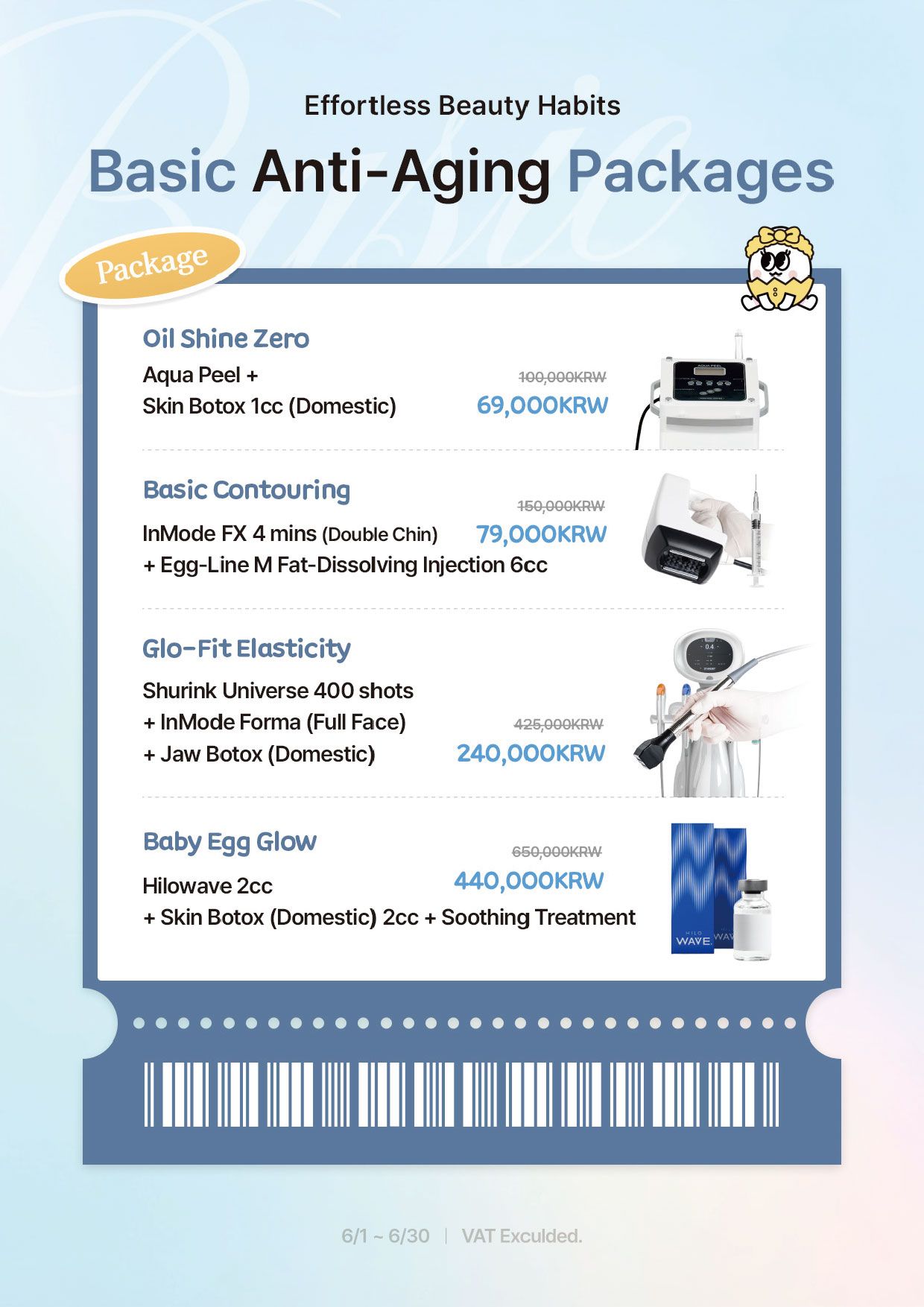
- Korean botulinum toxin: around ₩20,000–₩150,000+ per treatment area
- Premium Korean brands: around ₩40,000–₩200,000+
- Allergan Botox: around ₩80,000–₩300,000+ per treatment area
Prices vary according to the clinic, treatment area, product, number of units, and whether the treatment is part of a promotional package.
Budget clinics: Korean products can be particularly cost-effective.
Premium clinics: Allergan or premium Korean brands may be offered at higher prices with more individualized treatment.
Which Should Foreigners Choose in Korea?
There is no universal answer. Korean botulinum toxin can be a practical choice for patients who want an affordable treatment from a reputable clinic, while Allergan may appeal to patients who specifically prefer the original branded product or have used it successfully before.
Korean Botox may be suitable if you want:
- More affordable treatment
- A wide choice of Korean brands
- Treatment at a high-volume Korean clinic
- Facial or body muscle treatments
- A cost-effective option for multiple treatment areas
Allergan may be preferable if you want:
- The original Botox brand
- A product with extensive international clinical history
- Consistency with a product you have previously used
- A premium branded option
- Treatment at a clinic that specifically offers Allergan
What Should You Ask Before Treatment?
Foreign patients should confirm exactly which product they are receiving rather than simply asking for “Botox.” The word Botox is often used casually to describe the entire category, but technically it refers to a specific brand.
Before treatment, ask:
- What is the exact brand name?
- Who manufactures it?
- How many units are being used?
- Is the product Korean or imported?
- Which areas will be treated?
- Who will perform the injection?
- How long are results expected to last?
- Is the quoted price per area or per unit?
- Is consultation included?
- Are there any additional fees?
It is especially important to compare units carefully, because botulinum toxin units are product-specific and should not automatically be treated as interchangeable across different brands.
Final Thoughts
The main difference between Korean Botox and Allergan Botox is not that one is real and the other is fake. Korean clinics use legitimate domestically manufactured botulinum toxin products, while Allergan Botox is a specific international brand. Korean products such as Nabota, Botulax, Coretox, and Innotox can offer different formulations and price points, while Allergan remains a widely recognized premium option.
For most patients, the best choice depends on the specific product, treatment area, dosage, injector experience, and individual response. If you are visiting Korea as a foreigner, compare the exact brand and treatment details rather than choosing based only on the word “Botox” or the lowest advertised price.