Korea vs USA Skin Treatment Prices: Is Korea Cheaper?
Korea vs USA Skin Treatment Prices: Is Korea Cheaper?
For many popular non-surgical skin and aesthetic treatments, Korea is generally cheaper than the USA, particularly for laser treatments, Botox, fillers, skin boosters, and energy-based lifting procedures. The price difference can be substantial, although it varies by clinic, treatment specifications, and location. For international visitors, Korea can offer competitive pricing while also providing access to treatments that may be less common or less readily available in the United States.
How Much Cheaper Is Korea?
The difference depends on the treatment, but Seoul prices are often considerably lower than comparable US prices. For example, current 2026 market comparisons put full-face Ultherapy in Seoul at roughly KRW 1,000,000–2,500,000, while US prices can range from about $2,500–$5,000. Thermage can also cost substantially less in Seoul, while Botox and fillers generally show a significant price gap.
As a broad comparison:
- Botox: Korea is often 50–70% less expensive
- Dermal fillers: Korea can be 50–70% less expensive
- Pico laser: Korea can be 50–80% less expensive
- Ultherapy: Korea can be around 40–60% less expensive
- Thermage: Korea can be around 40–50% less expensive
- RF microneedling: Often considerably less expensive in Seoul
These percentages are only general comparisons. A premium Seoul clinic can sometimes charge prices closer to US rates.
Botox Prices: Korea vs USA
Botox is one of the easiest treatments to compare because it is widely available in both countries. In Korea, domestic Botox products can start at relatively low prices for small treatment areas, while premium brands cost more.
Typical ranges may look like:
Korea
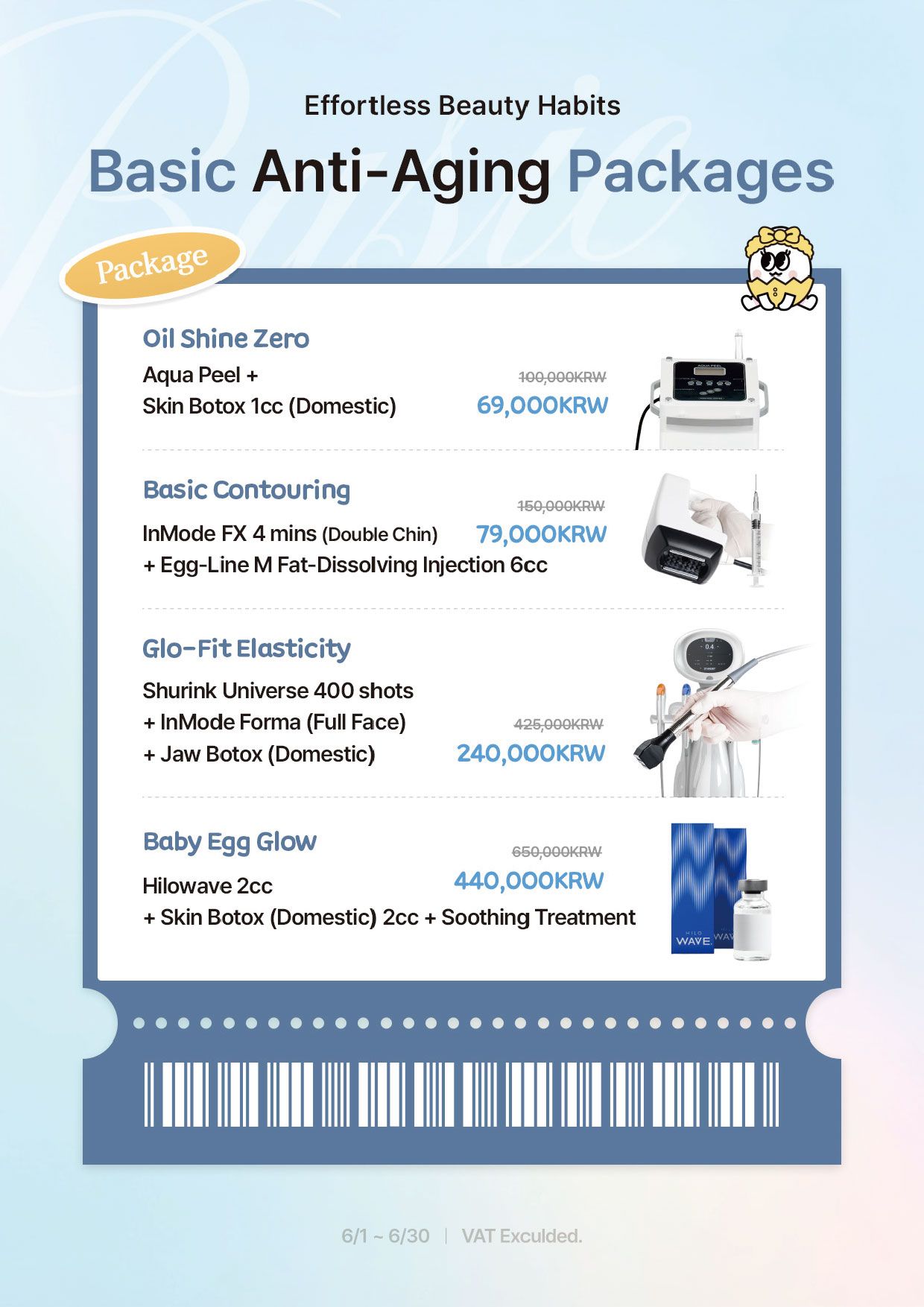
- Domestic Botox: approximately KRW 30,000–150,000 per area
- Premium Botox brands: approximately KRW 70,000–200,000+ per area
- Masseter Botox: approximately KRW 100,000–300,000
USA
- Botox commonly costs several hundred dollars per treatment
- Pricing often depends on the number of units used
- Premium metropolitan clinics can charge substantially more
The difference is partly related to the availability of Korean-made botulinum toxin products, which are generally less expensive than imported brands.
Filler Prices: Korea vs USA
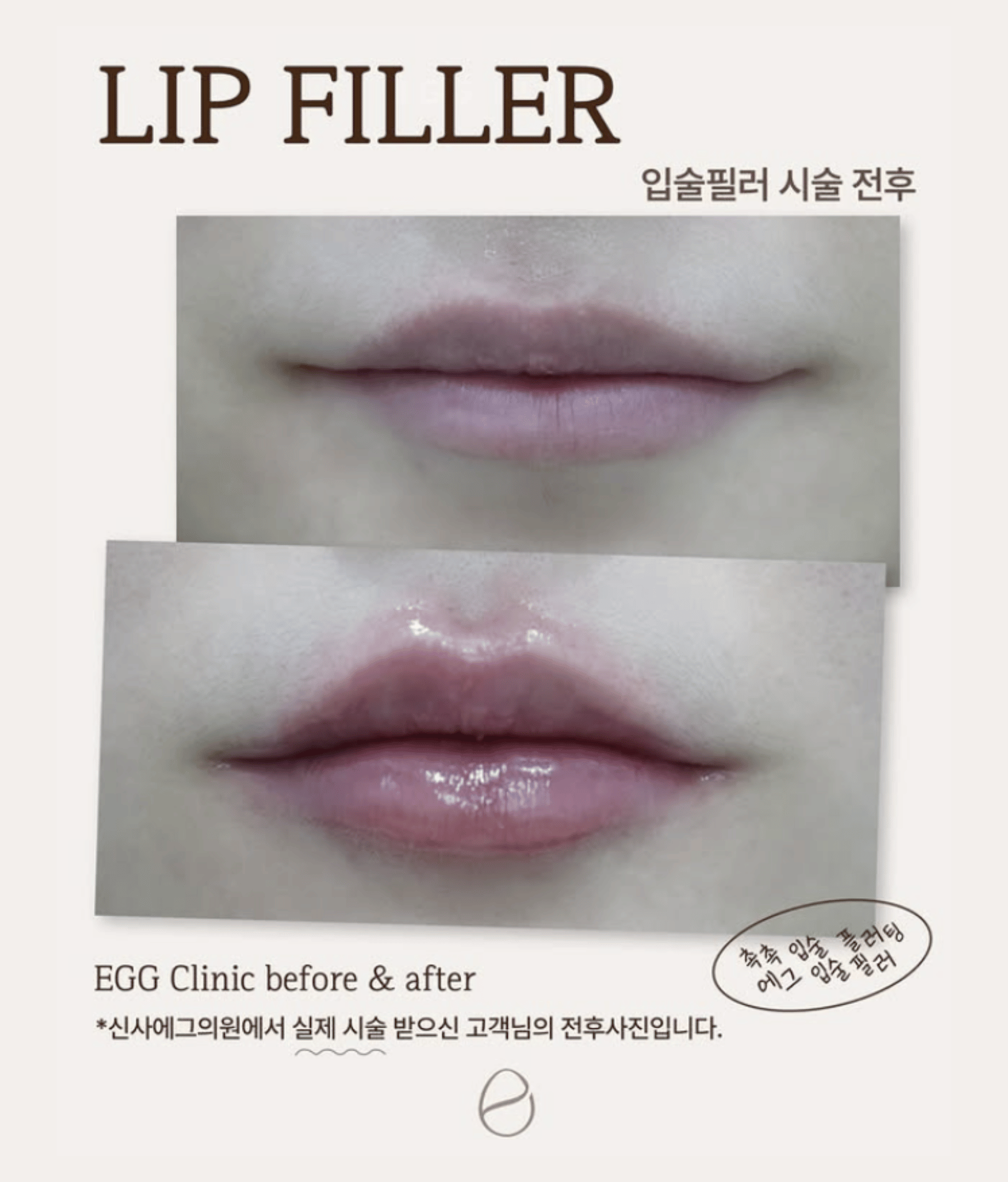
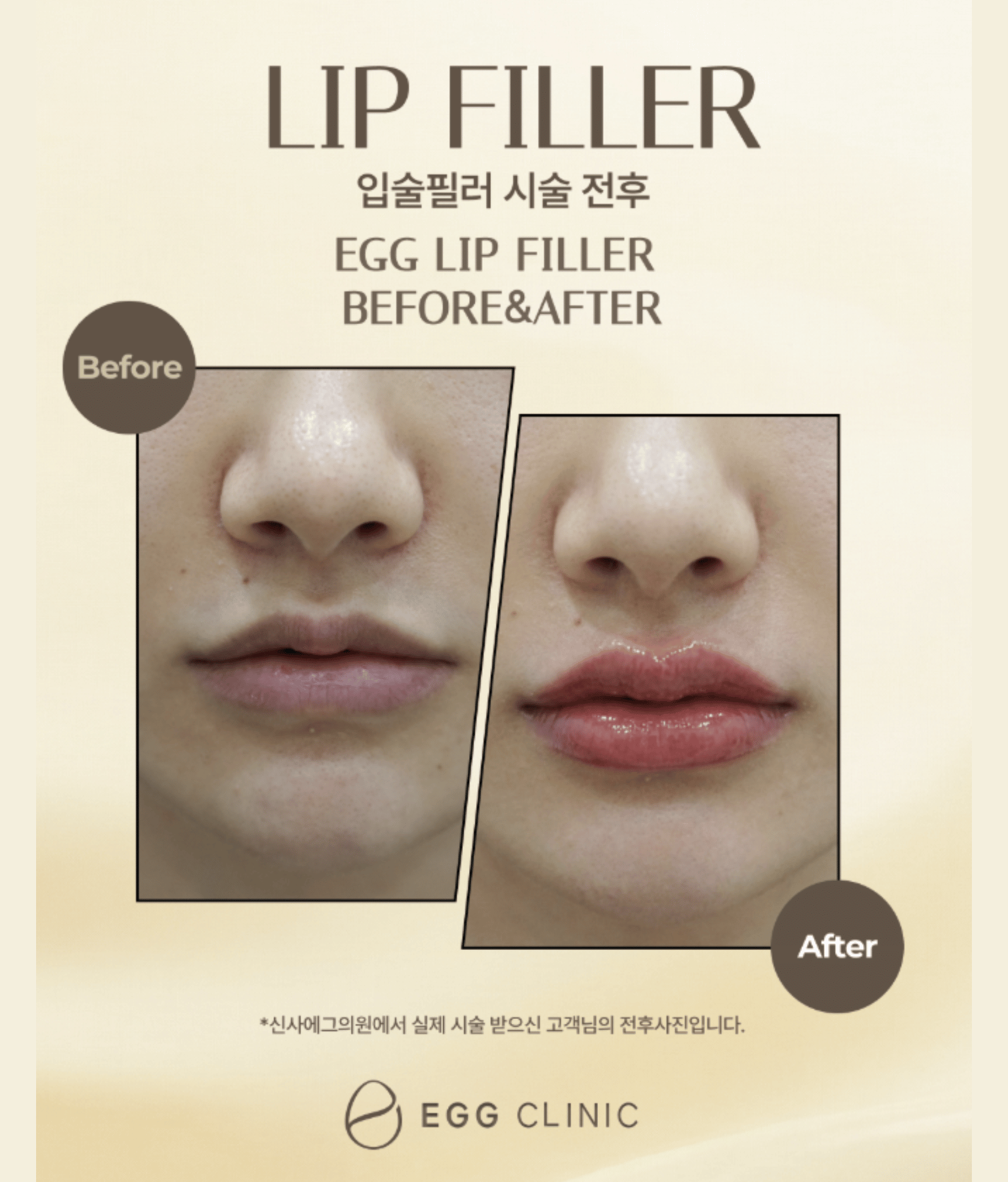
Dermal fillers can also be considerably cheaper in Korea, particularly when Korean filler brands are used.
Typical pricing can include:
Korea
- Korean HA filler: approximately KRW 200,000–500,000 per 1cc
- Premium or imported filler: approximately KRW 350,000–800,000+ per 1cc
USA
- HA filler commonly costs several hundred to over $1,000 per syringe
- Premium brands and experienced injectors can charge considerably more
However, price should not be the only consideration for fillers. The injector's experience, product selection, treatment area, and facial anatomy are particularly important.
Laser Treatment Prices: Korea vs USA
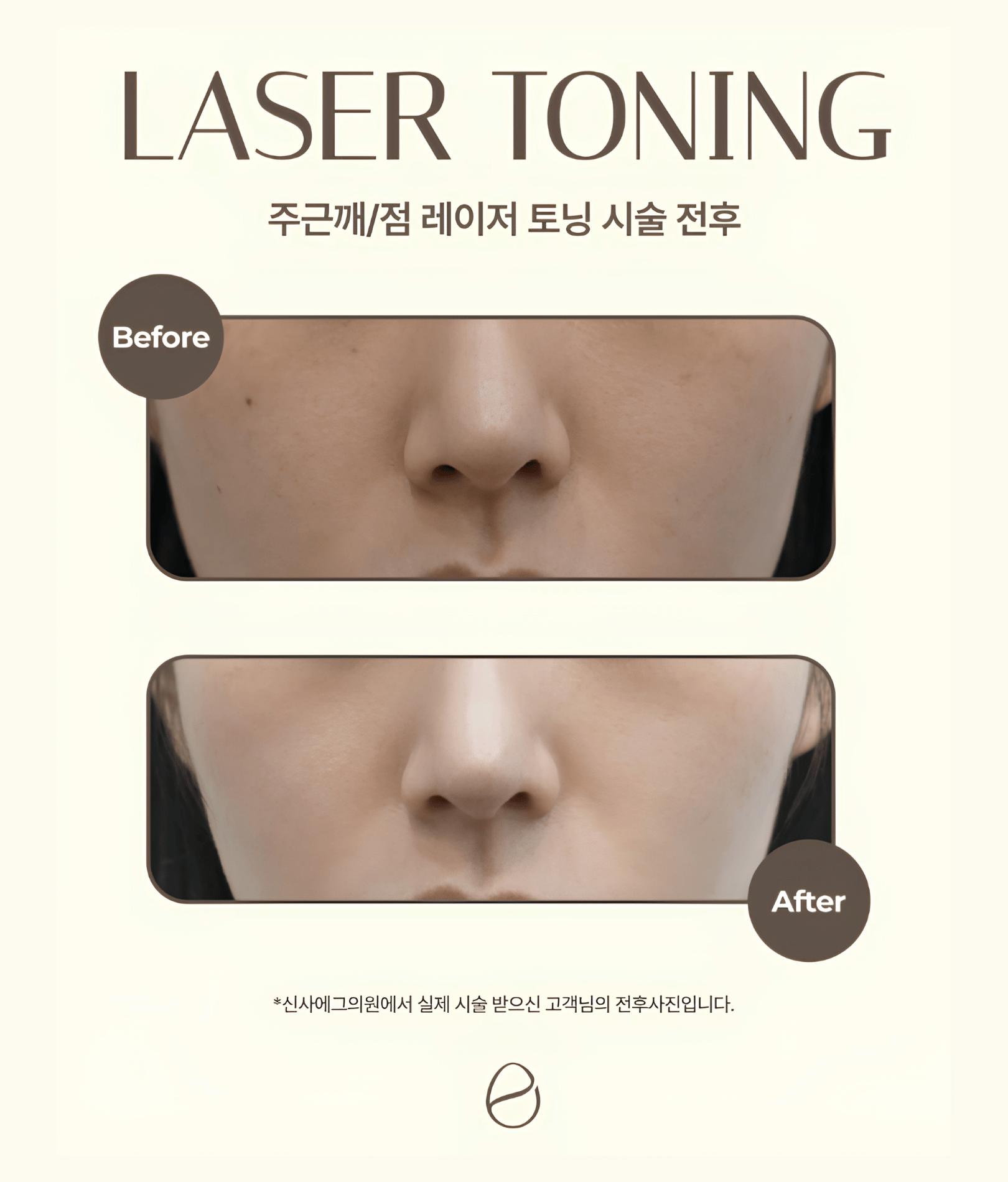
Laser treatments are another area where Korea can offer significant savings. Seoul clinics frequently offer laser toning and pigment-focused treatments at prices that are relatively accessible for international visitors.
In Korea, typical prices can include:
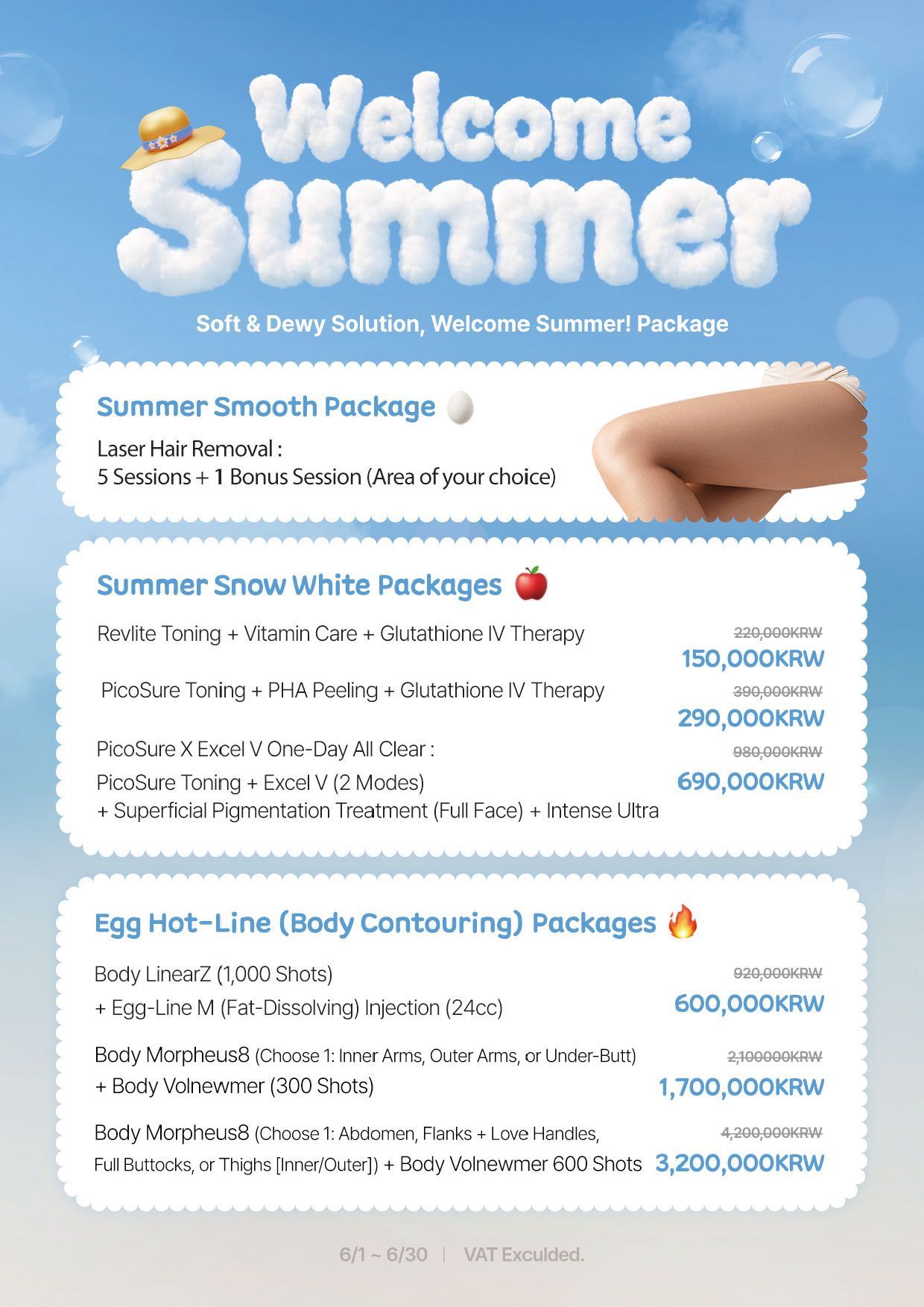
- Laser toning: KRW 70,000–330,000
- Pico laser: KRW 100,000–500,000
- Fractional laser: KRW 200,000–660,000
US laser treatments can often cost several hundred to more than $1,000 depending on the technology, treatment area, and clinic. Current 2026 comparisons put full-face fractional CO2 resurfacing in Seoul at approximately $240–$480, compared with around $1,800 for the corresponding US resurfacing category in one published comparison.
Ultherapy and Thermage: One of the Biggest Price Differences
The price difference can be particularly noticeable with premium lifting devices.
Approximate Seoul ranges include:
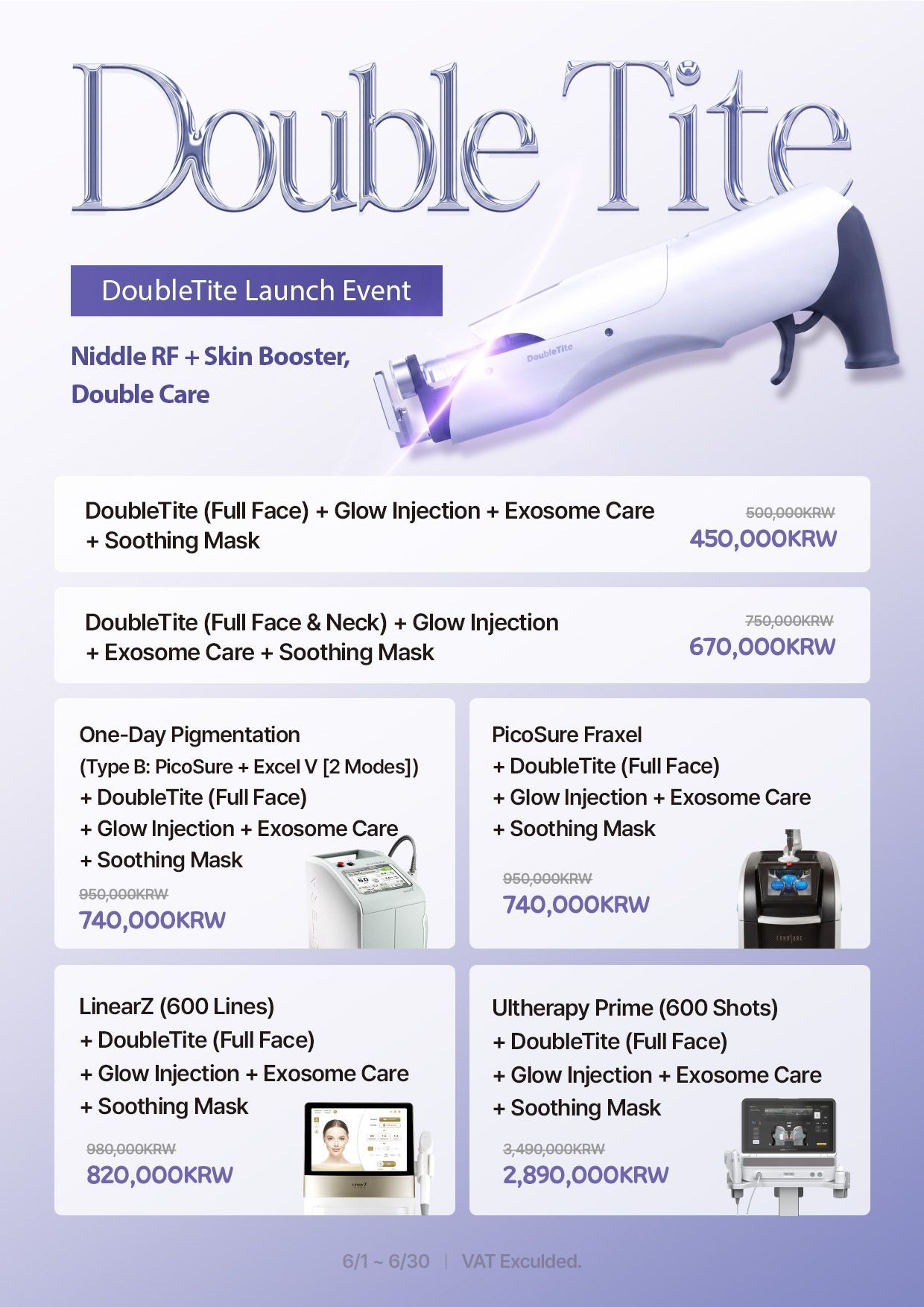
- Ultherapy 300 shots: KRW 800,000–1,600,000
- Ultherapy 600 shots: approximately KRW 1,500,000–2,500,000
- Thermage FLX 600 shots: approximately KRW 1,990,000–3,500,000
Comparable US treatments can cost several thousand dollars, especially in major cities such as New York, Los Angeles, and Chicago. Current 2026 market comparisons place full-face Ultherapy in Seoul around $800–$1,400 at one clinic, compared with approximately $2,800–$5,500 in major US cities. Thermage shows a similar gap.
For these procedures, however, shot count must always be matched. Comparing 300-shot Ultherapy in Korea with 600-shot Ultherapy in the USA would not provide a meaningful price comparison.
Rejuran and Other Korean Skin Boosters
Korea can have an additional advantage when the treatment itself originates from or is particularly established in the Korean aesthetic market. Rejuran is a good example.
Korean clinics offer several types of skin boosters, including:
- Rejuran
- Juvelook
- HA-based skin boosters
- PDRN-based treatments
- Other collagen- or skin-quality-focused injectables
The price of Rejuran in Korea can vary depending on the amount and injection technique, with published 2026 prices ranging from several hundred thousand won upward.
For some treatments, the advantage is not simply that Korea is cheaper. Access can also be a major reason international patients travel to Korea.
Why Is Korea Cheaper?
Several factors contribute to Korea's competitive pricing.
High treatment volume
Korean aesthetic clinics often treat a large number of patients, allowing clinics to operate efficiently and offer competitive prices.
Strong domestic aesthetic market
Korea has a highly developed dermatology and aesthetic industry, creating strong competition between clinics.
Domestic products
Korean-made Botox, fillers, skincare products, and other medical aesthetic products can cost less than imported alternatives.
Large selection of devices
Patients can choose from numerous laser, RF, ultrasound, and microneedling technologies at different price levels.
Promotional pricing
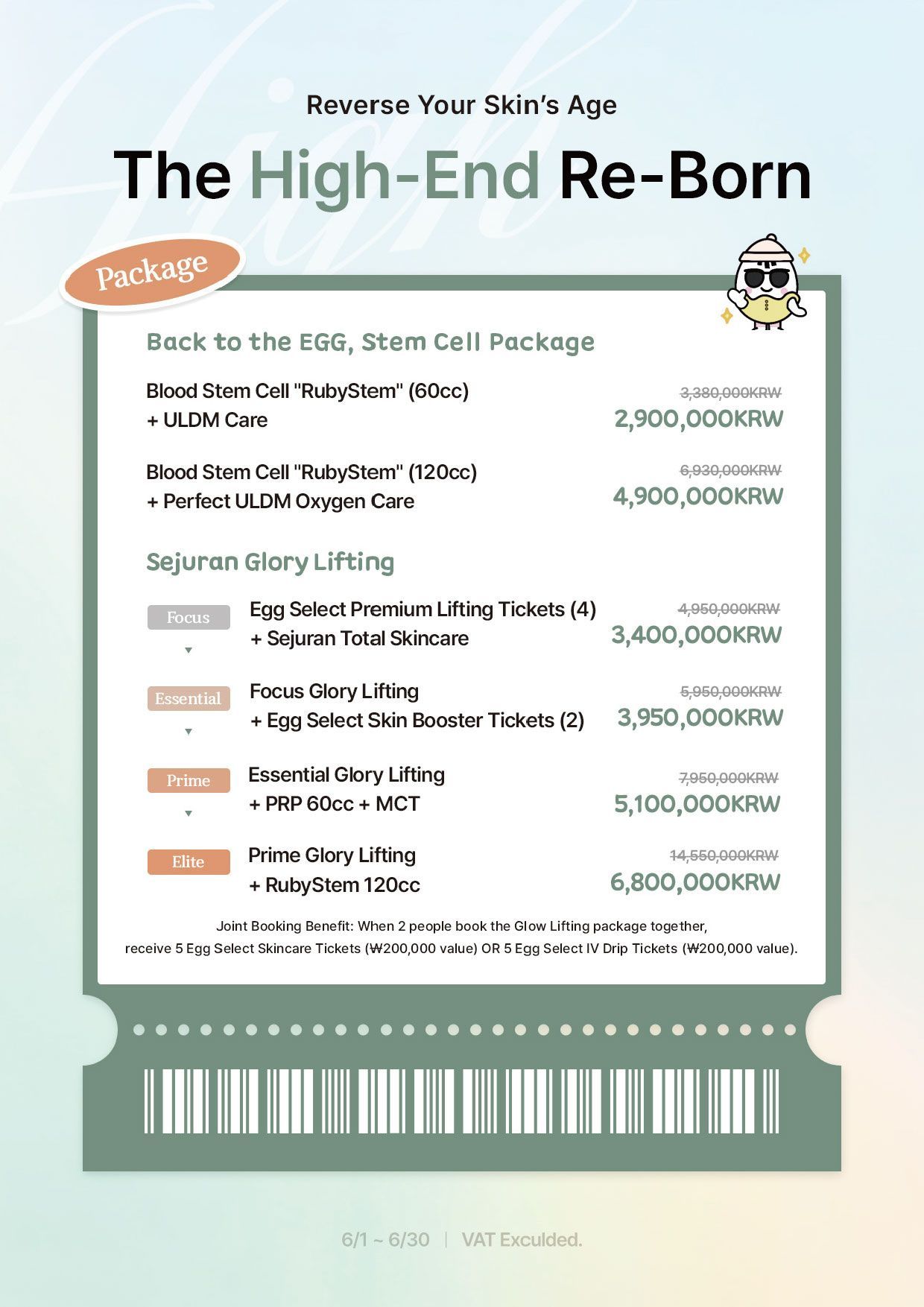
Seoul clinics frequently offer first-visit, seasonal, or package promotions, which can make advertised prices particularly attractive.
Is the Cheapest Korean Clinic Always the Best Choice?
Not necessarily. Price alone does not tell you the quality or suitability of a treatment.
A very low price may reflect:
- A promotional first-visit rate
- A smaller treatment area
- Fewer shots
- Lower product volume
- A domestic rather than imported product
- High patient volume
- A standardized treatment protocol
Premium doctor-led clinics may charge considerably more because they emphasize individualized consultation and treatment planning.
For simple treatments such as basic laser toning or hydration care, a budget clinic may be perfectly appropriate. For fillers, complex pigmentation, intensive lifting, or combination treatments, individualized medical assessment becomes more important.
What About Travel Costs?
If you live in the USA, traveling to Korea obviously adds expenses that do not exist when visiting a local American clinic.
Your overall budget may include:
- Round-trip airfare
- Hotel accommodation
- Food
- Local transportation
- Clinic treatment
- Additional skincare or medication
- Time away from work
For someone already planning a trip to Seoul, however, the calculation is different. If dermatology treatment is added to an existing vacation, the treatment price difference can make Korean clinics particularly attractive.
How to Compare Korea and the USA Properly
When comparing prices, make sure you are comparing the same treatment specifications.
Check:
- Exact device: Ultherapy, Thermage, Potenza, etc.
- Shot count: 300 vs. 600 shots can make a major difference.
- Product: Korean vs. imported injectable
- Dosage: Botox units or skin-booster cc
- Treatment area: Full face vs. selected areas
- Doctor involvement: Who performs the procedure?
- VAT: Confirm whether Korean prices include the 10% VAT.
- Promotional pricing: Check whether the price is a temporary event rate.
Korea's foreign-patient VAT refund program for cosmetic medical services ended at the end of 2025, so visitors in 2026 should not automatically assume that they can receive a cosmetic-treatment tax refund.
Final Thoughts
So, is Korea cheaper than the USA for skin treatments? In many cases, yes. The biggest differences can be seen in Botox, fillers, laser treatments, RF microneedling, Ultherapy, and Thermage, with Seoul often offering significantly lower treatment prices than major US cities. However, the cheapest advertised price is not necessarily the best value. International patients should compare the exact device, product, dosage, shot count, treatment area, VAT, and level of doctor involvement before making a decision. If you are already planning to visit Korea, the combination of competitive treatment prices and the country's extensive aesthetic treatment options can make Seoul an attractive destination for non-surgical skin care.