Juvelook vs Filler: Natural Collagen vs Immediate Volume
Juvelook vs Filler: Natural Collagen vs Immediate Volume
Juvelook and traditional dermal fillers are both injectable aesthetic treatments, but they are designed to solve different problems. Juvelook focuses on gradual collagen remodeling and skin-quality improvement, while conventional fillers are primarily designed to provide immediate volume and structural correction.
Juvelook contains PDLLA and hyaluronic acid (HA) and is commonly used in Korea for pores, fine lines, uneven texture, and mild volume or firmness concerns. Traditional HA fillers, by comparison, are designed to physically add volume to selected areas and can produce a visible change immediately after treatment.
The better option depends on whether your priority is natural-looking skin improvement over time or immediate correction of lost volume and facial contours.
What Is Juvelook?
Juvelook is an injectable treatment containing PDLLA (poly-D,L-lactic acid) and HA. The PDLLA component is intended to support gradual collagen remodeling, while HA contributes hydration and an initial physical effect.
In Korea, Juvelook is commonly considered for:
- Enlarged pores
- Uneven skin texture
- Fine lines
- Mild skin laxity
- Reduced firmness
- Selected shallow acne scars
- Overall skin-quality improvement
Rather than functioning primarily as a conventional volumizing filler, Juvelook is generally used when patients want progressive improvement in the condition and appearance of their skin.
What Is a Dermal Filler?
Dermal fillers are injectable materials used to restore or add volume to specific areas of the face. Hyaluronic acid fillers are among the most widely used types.
Depending on the product and treatment area, fillers can be used for:
- Cheek augmentation
- Chin enhancement
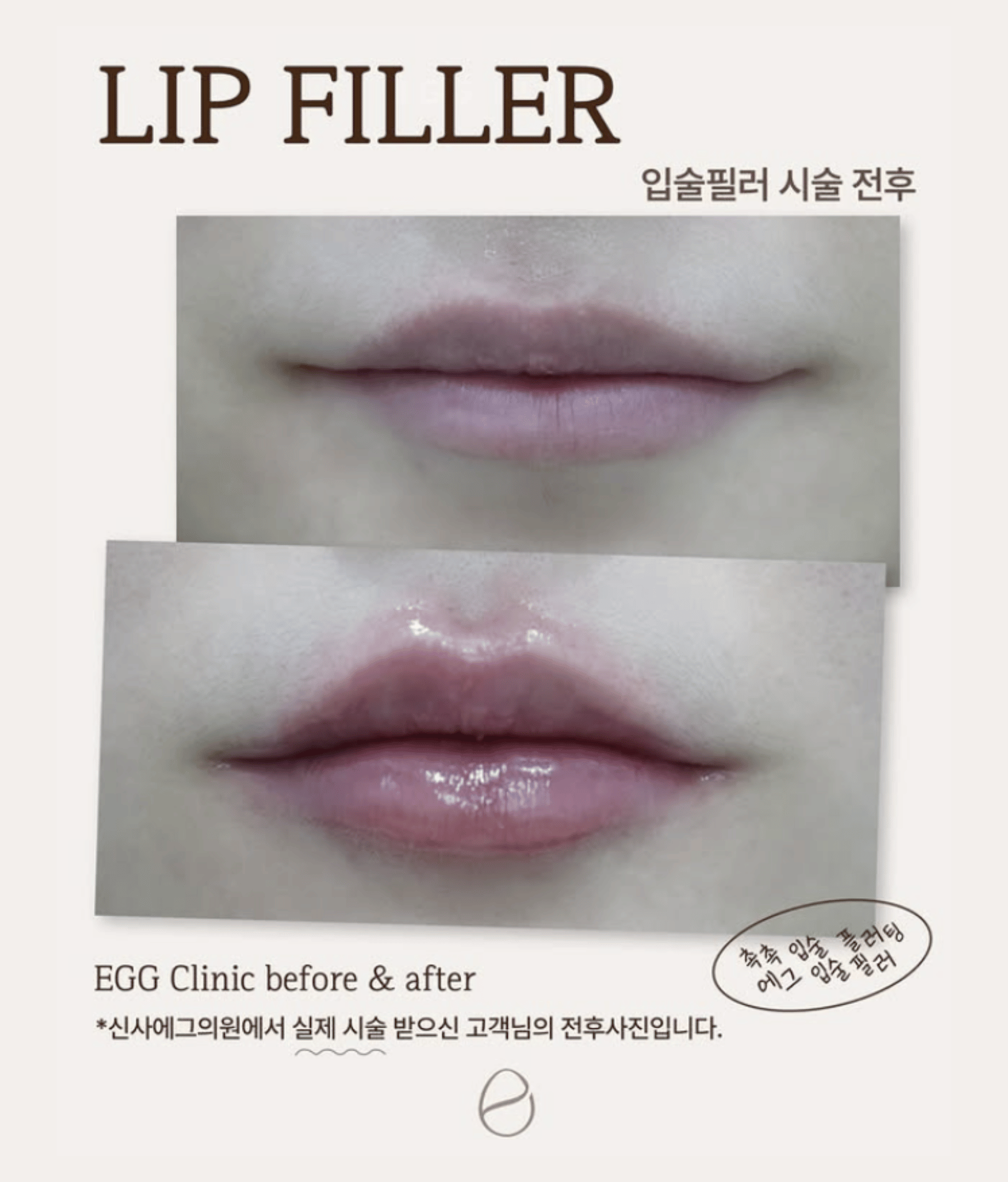
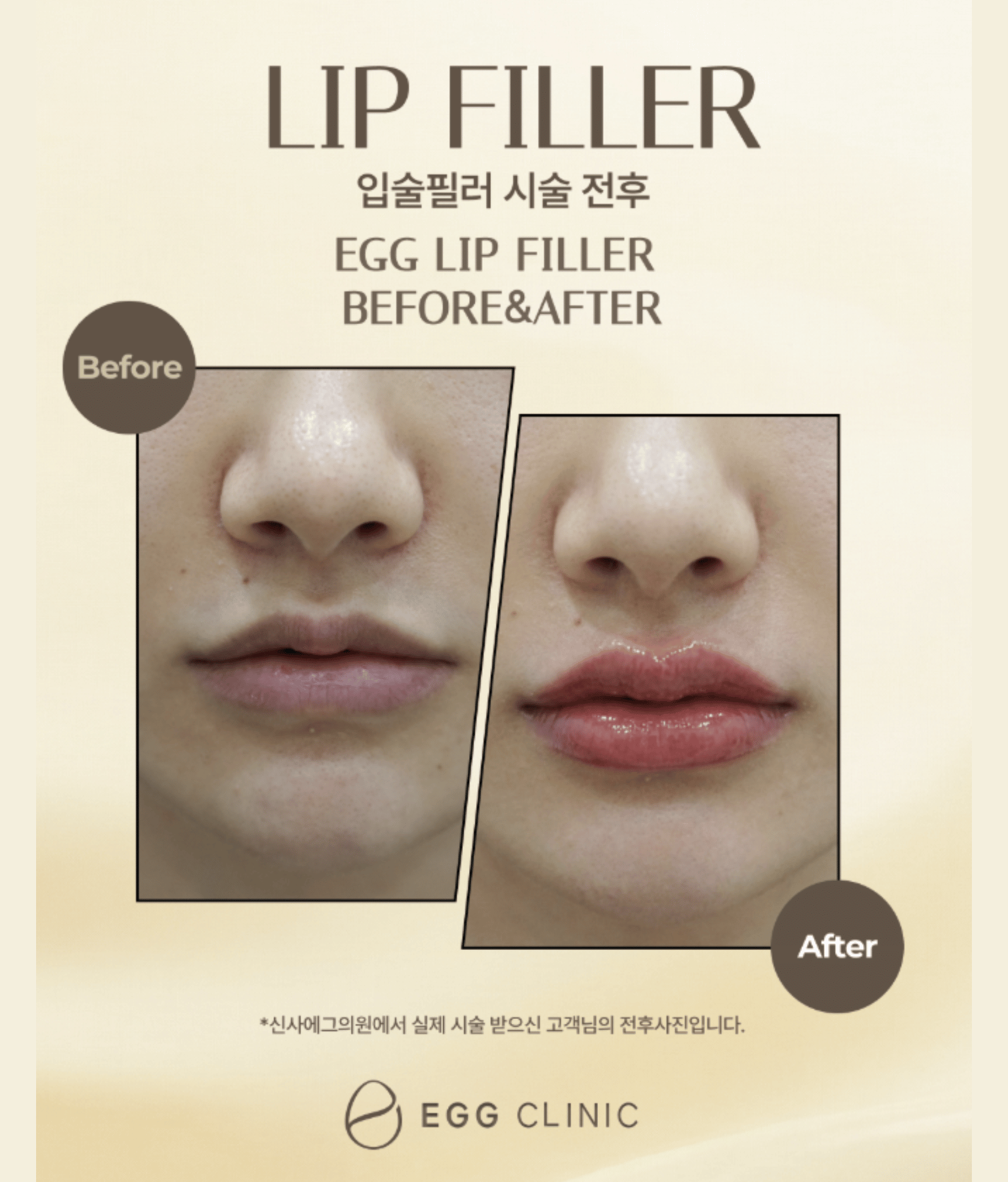
- Lip augmentation
- Temple volume restoration
- Nasolabial folds
- Marionette lines
- Tear-trough correction
- Facial contouring
The primary advantage is that the change in volume and contour can usually be seen immediately, although swelling after injection can temporarily affect the initial appearance.
Juvelook vs Filler: Main Difference
The fundamental difference is what each treatment is designed to accomplish.
Juvelook
- Contains PDLLA + HA
- Primarily focuses on collagen remodeling and skin quality
- Produces gradual improvement
- Commonly used for pores and texture
- Can improve fine lines and firmness
- Creates a subtler, more natural-looking change
Dermal Filler
- Commonly uses HA or another approved filler material
- Primarily restores or adds volume
- Produces an immediate structural effect
- Can reshape facial contours
- Can correct localized hollowness
- Provides more predictable volume replacement
This means Juvelook should not automatically be viewed as a replacement for traditional filler.
Natural Collagen vs Immediate Volume
The simplest way to understand the difference is to consider the desired timeline.
Juvelook: gradual collagen remodeling
After injection, the PDLLA component is intended to stimulate a remodeling response that supports new collagen formation. The resulting improvement develops progressively rather than appearing entirely at once.
Filler: immediate volume correction
A conventional filler physically occupies space in the treated area, allowing the provider to create immediate volume and contour changes.
This makes them useful for different situations.
If you want better skin texture and gradual firmness, Juvelook may be more appropriate.
If you want a fuller cheek, more defined chin, or correction of a specific hollow, a conventional filler may be more appropriate.
Which Is Better for Pores and Skin Texture?
For pores and overall texture, Juvelook is generally the more targeted option.
It may be considered for:
- Enlarged pores
- Rough skin
- Fine surface irregularities
- Mild acne-scar texture
- Early collagen loss
- Fine lines associated with reduced skin quality
Traditional filler is not primarily designed to refine pores or improve generalized skin texture.
Although certain fillers can improve the appearance of skin in selected areas by restoring structural support, injecting filler simply to treat enlarged pores would generally not be the primary approach.
Which Is Better for Volume Loss?
For significant facial volume loss, traditional filler generally provides a more direct solution.
Filler may be considered when you want to:
- Restore sunken cheeks
- Add chin projection
- Define the jawline
- Restore selected temple volume
- Correct certain facial hollows
- Enhance the lips
Juvelook may provide gradual structural support as collagen remodeling occurs, but it should not be expected to replicate the immediate and controllable volume effect of a conventional filler.
For substantial volume deficiency, a qualified provider may recommend a filler or another volumizing treatment instead.
Juvelook vs Filler for Fine Lines
Both can have a role in fine-line treatment, but the appropriate option depends on the type of wrinkle.
Juvelook may be considered when fine lines are associated with:
- Poor skin texture
- Reduced collagen support
- Mild laxity
- Enlarged pores
- General skin aging
Filler may be more appropriate for static lines or folds associated with volume loss, where restoring underlying support can reduce the appearance of the crease.
Dynamic wrinkles caused primarily by repeated muscle movement may require a different approach, such as botulinum toxin.
Juvelook vs Filler for the Under-Eye Area
The under-eye area requires particularly careful product selection because the skin is thin and the anatomy is complex.
Juvelook may be considered when the main concern is:
- Fine lines
- Thin-looking skin
- Crepey texture
- Mild skin-quality deterioration
A conventional filler may be considered when the dominant concern is structural tear-trough hollowness.
However, under-eye filler requires careful patient selection and precise technique. Not every under-eye hollow should be treated with filler, and some patients may be better suited to skin-quality treatment, laser or energy-based procedures, fat repositioning, or another approach.
Juvelook vs Filler: Which Looks More Natural?
Both can produce natural-looking results when appropriately selected and administered.
Juvelook tends to produce a more gradual change because the goal is progressive collagen remodeling. This can be appealing to patients who want their skin to look healthier and firmer without an obvious change in facial shape.
Filler can also look very natural when an appropriate product, amount, and placement are used. However, because filler directly changes volume, excessive treatment can produce an overfilled or disproportionate appearance.
Natural results depend heavily on:
- Product selection
- Amount injected
- Injection depth
- Facial anatomy
- Treatment area
- Provider experience
- Patient expectations
The objective should be appropriate correction rather than simply maximizing volume.
When Will You See Results?
The treatment timelines are different.
Juvelook
Juvelook results generally develop gradually.
A typical progression may include:
- Immediately: Temporary swelling or hydration-related changes
- First few weeks: Initial treatment effects settle
- Several weeks onward: Collagen remodeling becomes more noticeable
- Following months: Skin texture, firmness, and overall quality may continue to improve
Filler
Filler provides a much faster visible change.
- Immediately: Volume and contour changes can usually be seen
- First several days: Swelling and tenderness may affect the appearance
- Around 1–2 weeks: The treated area generally settles
- Following months: The filler gradually undergoes natural breakdown depending on the product and treatment area
The exact timeline varies significantly between products and individuals.
How Long Does Juvelook Last Compared With Filler?
The two treatments have different longevity patterns.
Juvelook's effects are related to the gradual remodeling process and the patient's own tissue response. Results can develop over several weeks and may remain noticeable for months, particularly after a structured treatment course.
Traditional HA filler provides a more direct volume effect and commonly lasts several months to over a year depending on:
- Filler formulation
- Injection area
- Amount used
- Metabolic rate
- Facial movement
- Individual response
A longer-lasting filler is not automatically a better choice. The appropriate duration depends on the treatment area and the type of correction required.
Juvelook vs Filler: Downtime
Both treatments can cause temporary injection-related reactions.
Possible Juvelook effects include:
- Redness
- Swelling
- Small bumps
- Bruising
- Tenderness
- Temporary unevenness
Possible filler effects include:
- Swelling
- Bruising
- Tenderness
- Redness
- Temporary asymmetry
- Firmness at the injection site
Downtime is usually manageable, but the treatment area matters. Areas such as the lips and under-eyes may show swelling more noticeably than other facial areas.
Patients traveling to Korea should avoid scheduling either procedure immediately before an important event.
Can Juvelook and Filler Be Combined?
Yes. In some cases, Juvelook and filler can complement each other because they address different concerns.
For example:
- Filler: Restores significant cheek or chin volume.
- Juvelook: Addresses surrounding skin texture, pores, fine lines, and collagen quality.
A combination approach may therefore be useful when a patient has both structural volume loss and skin-quality concerns.
The treatments do not necessarily need to be performed during the same appointment. A qualified provider can determine the appropriate sequence based on the products, treatment areas, and patient's anatomy.
Which Should You Choose?
Choose Juvelook if:
- Your main concern is enlarged pores.
- Your skin texture is uneven.
- You have fine lines with mild laxity.
- You want gradual collagen remodeling.
- You prefer subtle skin-quality improvement.
- You do not want a significant change in facial volume.
Consider filler if:
- You have obvious volume loss.
- Your cheeks look sunken.
- You want more chin projection.
- You want facial contour enhancement.
- You have a localized hollow caused by volume deficiency.
- You want an immediate structural change.
Consider both if:
- You have significant volume loss plus poor skin texture.
- You want facial contour correction and skin-quality improvement.
- Your treatment plan requires both structural support and collagen remodeling.
The choice should be based on the underlying problem rather than simply choosing the treatment with the most noticeable result.
Juvelook vs Filler for Foreigners in Korea
Korea offers a wide range of Juvelook and dermal filler treatments, making it important for international patients to confirm exactly what is being offered.
Before booking, ask the clinic:
- What exact Juvelook formulation will be used?
- Is it standard Juvelook or Juvelook Volume?
- If filler is recommended, what brand and type is it?
- How much product will be injected?
- Which areas will be treated?
- Who will perform the injection?
- Is VAT included?
- Is anesthesia included?
- What downtime should you expect?
- What aftercare is provided?
- Is language support available?
For Juvelook in particular, patients should distinguish between standard Juvelook and Juvelook Volume, as they are separate products intended for different applications.
Final Thoughts
Juvelook and dermal filler are not direct substitutes. Juvelook is primarily a collagen-stimulating, skin-quality treatment that can gradually improve texture, pores, fine lines, and firmness. Traditional filler is primarily a volume-restoring treatment that can provide immediate correction of hollows and facial contours.
Choose Juvelook for gradual skin improvement and collagen remodeling, and consider filler when immediate volume or structural correction is the main goal. For patients with both concerns, a carefully planned combination can sometimes provide a more comprehensive result.
The most important distinction is simple: Juvelook works toward improving the skin from within over time, while filler directly restores volume where it is needed.