How Many Days Should I Stay in Seoul After Skin Treatments?
How Many Days Should I Stay in Seoul After Skin Treatments?
How long you should stay in Seoul after a skin treatment depends mainly on the procedure, its intensity, and how your skin typically reacts. Some popular Korean dermatology treatments have almost no downtime, while lasers, RF microneedling, injectables, and lifting procedures may cause redness, swelling, bruising, or peeling.
For many travelers, 2–3 days in Seoul is enough for mild treatments, while 5–7 days or longer is more comfortable for treatments with visible swelling, bruising, or skin recovery. If you are planning several procedures during the same trip, allowing additional recovery time is usually wise.
1–2 Days: Mild Skin Treatments
If you are receiving gentle treatments with minimal downtime, you may not need to stay in Seoul for long after the appointment.
Examples include:
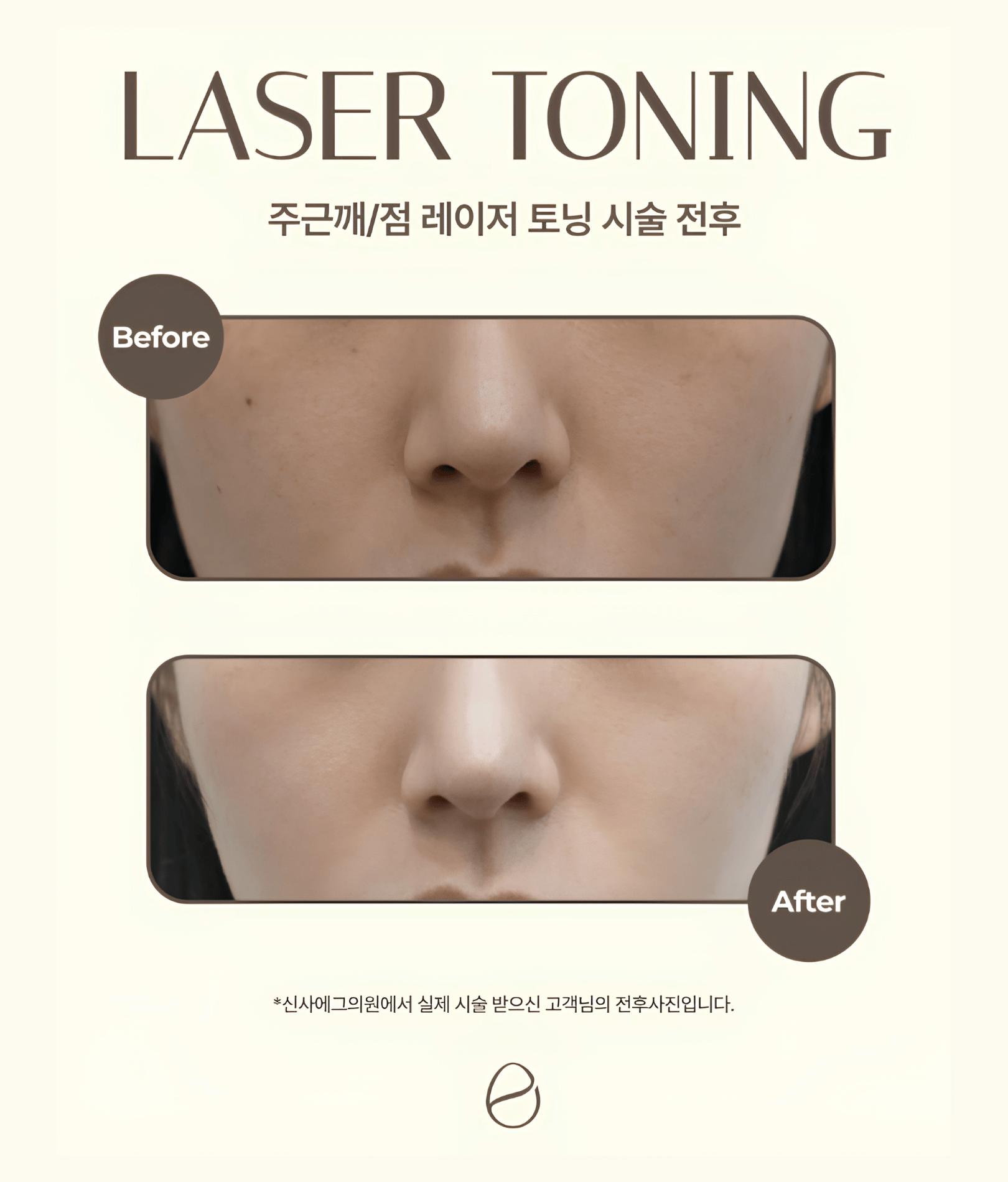
- Gentle laser toning
- Aqua Peel or basic facial treatments
- Hydration treatments
- Some low-intensity LED or soothing treatments
- Certain mild pigmentation treatments
You may experience temporary redness or sensitivity, but many patients can continue normal sightseeing soon afterward.
For these procedures, 1–2 days after treatment can be sufficient if you have no unexpected reaction.
2–3 Days: Moderate Treatments
Treatments that create more stimulation or involve superficial injections may benefit from a little more time before flying home.
Examples can include:
- Rejuran
- Juvelook
- Skin boosters
- Botox
- Mild RF treatments
- Some Pico laser procedures
- Certain combination treatments
Small bumps, redness, swelling, or injection marks may remain temporarily. Staying an additional couple of days gives your skin time to settle and gives you an opportunity to contact the clinic if you have concerns.
Around 2–3 days is a practical planning window for many of these treatments.
3–5 Days: RF Microneedling and Stronger Procedures
Treatments that intentionally create controlled micro-injuries or significant heat may require more recovery time.
Examples include:
- Potenza
- Morpheus8
- RF microneedling
- Stronger fractional laser treatments
- More intensive resurfacing procedures
Depending on the settings used, you may experience redness, swelling, pinpoint marks, dryness, or rough texture.
For these treatments, 3–5 days in Seoul after treatment can provide a more comfortable buffer, particularly if you want to look presentable for photographs or return to work immediately after your trip.
5–7 Days: Treatments With More Swelling or Bruising
Injectable procedures and stronger combination treatments may require a longer stay.
For example:
- Dermal fillers
- Under-eye filler
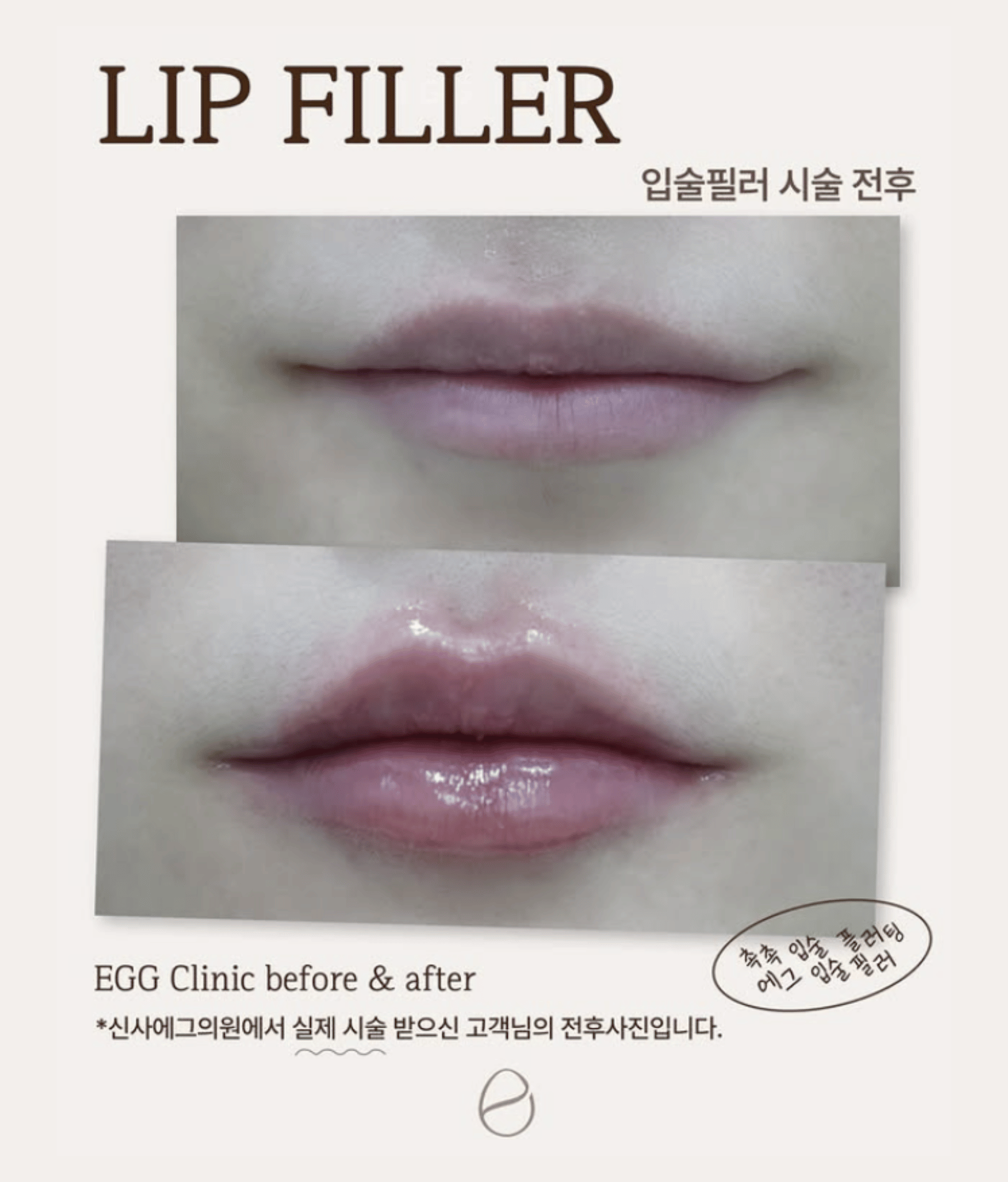
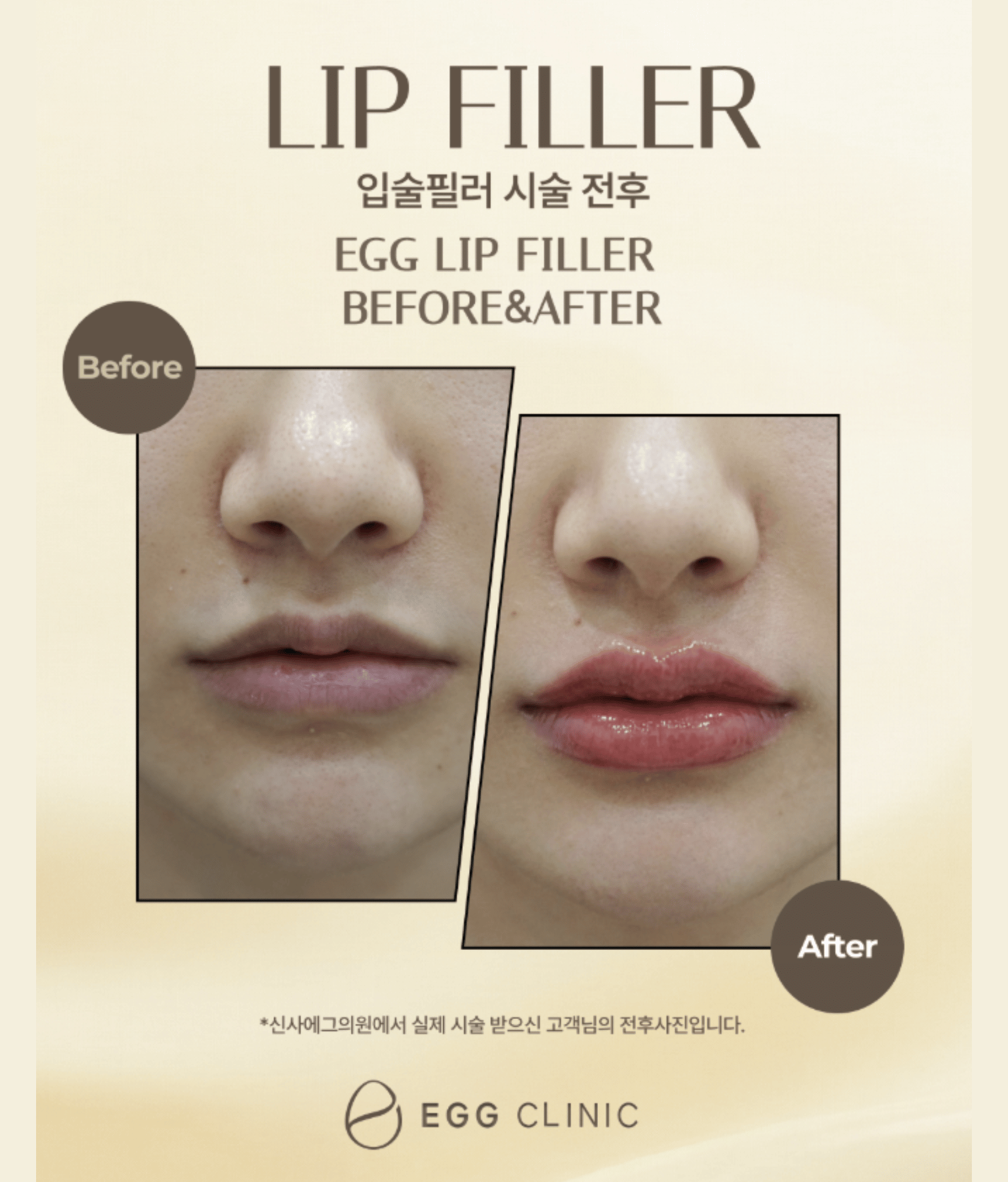
- Lip filler
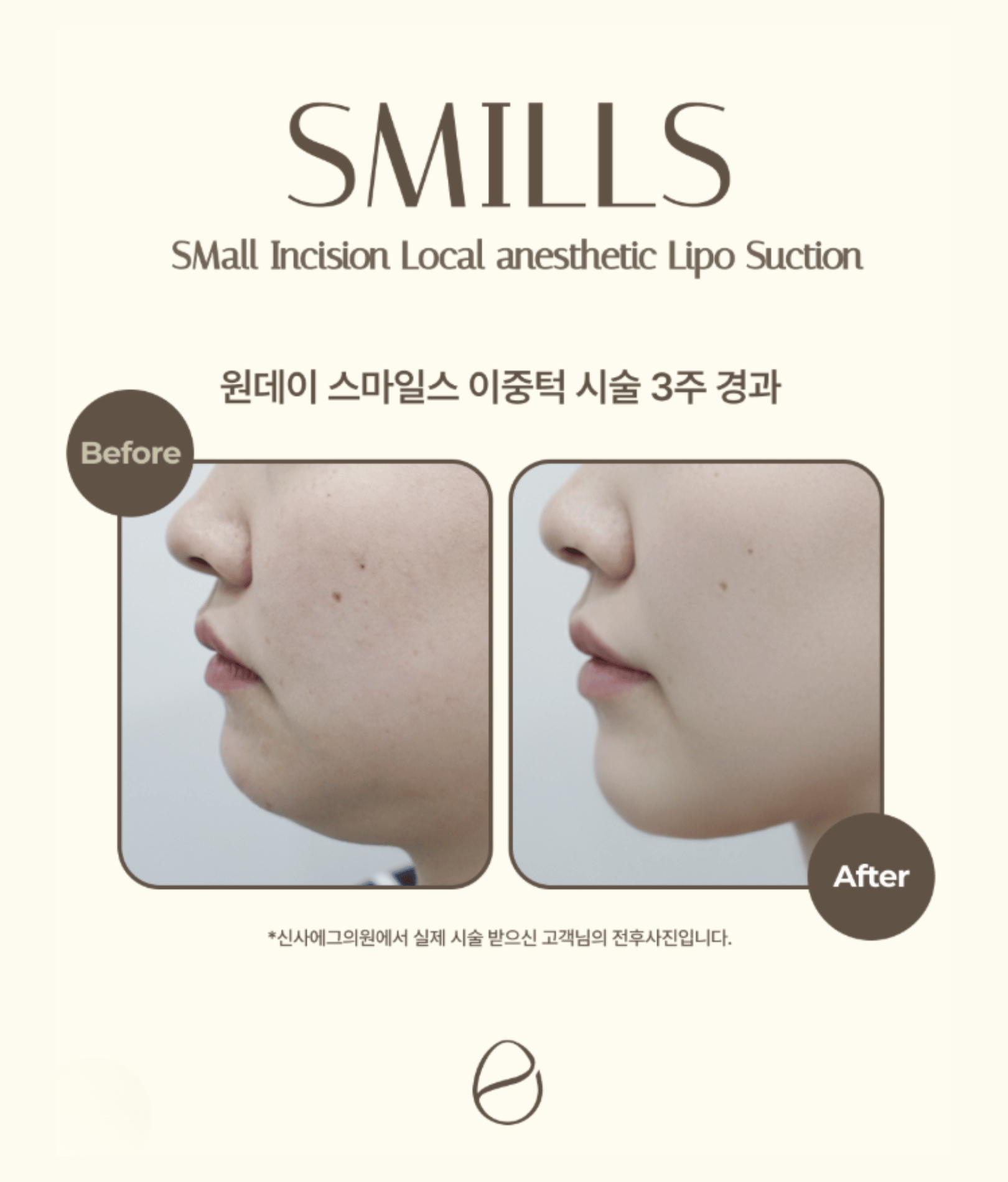
- More extensive facial contouring
- Multiple injectable treatments
- Combination procedures with significant swelling
The visible effects may not disappear within 24–48 hours. Bruising can sometimes last considerably longer.
If you are having filler shortly before returning home, 5–7 days can be a more comfortable travel schedule because you have time for swelling to decrease and for the clinic to evaluate the result if necessary.
What If I Combine Several Treatments in One Day?
This is where trip planning becomes especially important.
For example, a schedule involving:
Laser + skin booster + Botox
may require less recovery than:
RF microneedling + strong laser + filler
Even if each treatment individually has manageable downtime, combining procedures can increase temporary redness, swelling, or sensitivity.
If you plan to have several treatments, consider staying at least 2–3 days after the appointment, and longer if one of the procedures has significant downtime.
Should I Have Treatment Right Before My Flight?
It is generally better not to schedule your most intensive treatment immediately before leaving Seoul.
Having some extra time allows you to:
- Monitor swelling or redness
- Return to the clinic if necessary
- Receive post-treatment guidance
- Avoid traveling while your skin is highly irritated
- Make sure there are no unexpected reactions
For a simple low-downtime treatment, a next-day flight may be reasonable for some people. For fillers, intensive lasers, or multiple procedures, leaving several days between treatment and your flight is a safer and more comfortable approach.
A Practical Seoul Treatment Schedule
If you are planning a cosmetic dermatology trip, your itinerary could look like this:
Day 1: Consultation and treatment
Day 2: Rest, light sightseeing, follow-up if needed
Day 3: Normal sightseeing if your skin has settled
Day 4–5: Return home or continue your trip
For stronger treatments, extending the stay to 5–7 days can provide a better recovery buffer.
The exact schedule should always be adjusted according to the procedures you receive rather than following a fixed number of days.
Final Thoughts
For most travelers, 2–3 days in Seoul after a mild or moderate skin treatment is a practical starting point. Treatments involving stronger lasers, RF microneedling, fillers, or multiple procedures may be better suited to a 5–7 day recovery window.
If your trip is short, choose treatments with downtime that fits your itinerary rather than trying to complete every procedure at once. Giving your skin enough time to recover can make the entire Seoul dermatology experience more comfortable and predictable.