Glass Skin Treatment Cost in Korea: What Does It Really Cost?
Glass Skin Treatment Cost in Korea: What Does It Really Cost?
“Glass skin” is not a single medical procedure. In Korea, the term usually describes a treatment goal focused on hydrated, smooth, bright, even-toned, and reflective-looking skin. Clinics may combine treatments such as Aqua Peel, laser toning, water-glow injections, Rejuran, Juvelook, or other skin boosters to create this appearance. Because the treatment can involve very different combinations, the total cost can range from a relatively affordable facial to a premium multi-treatment program.
How Much Does Glass Skin Treatment Cost in Korea?
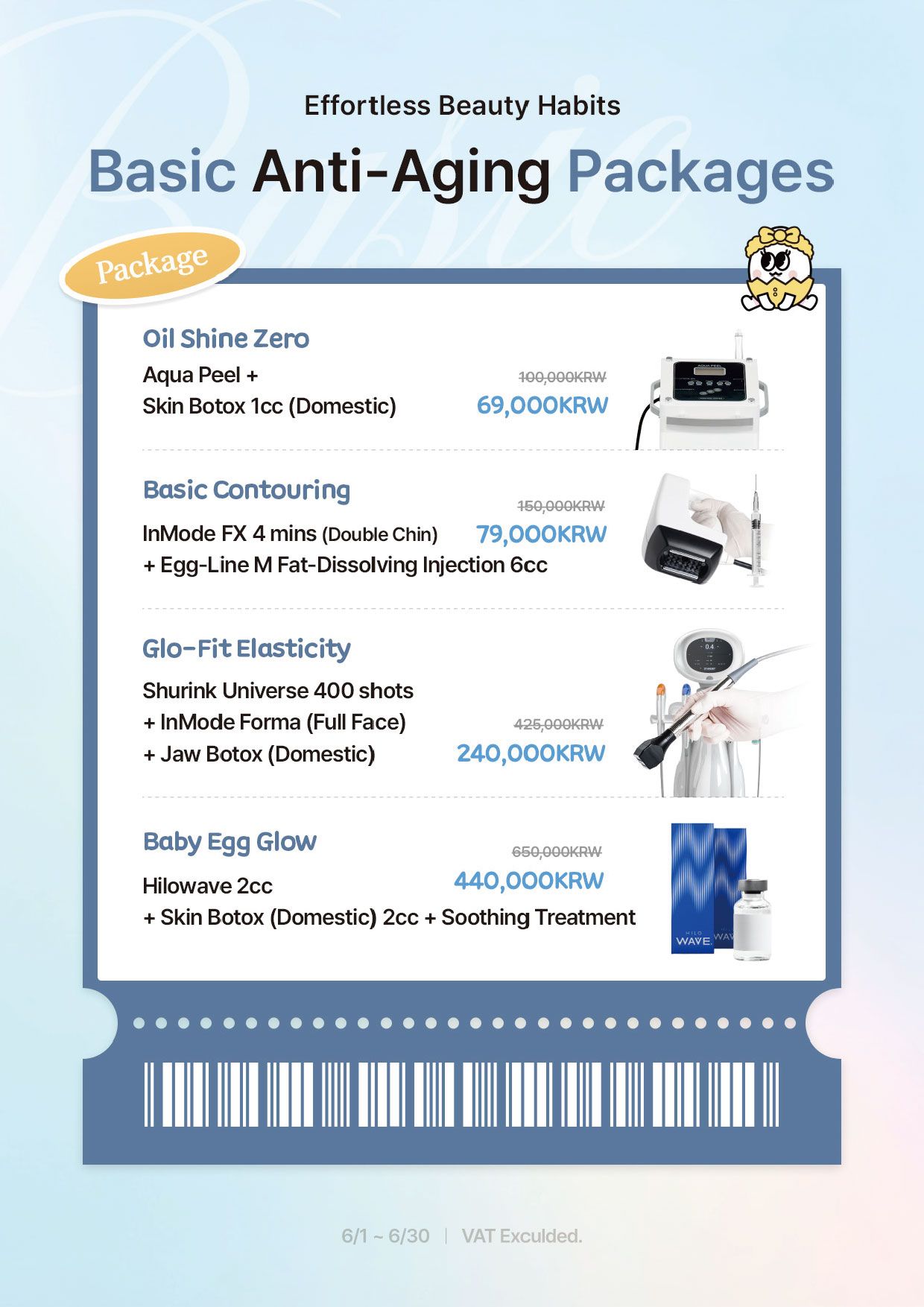
The cost depends primarily on what is included in the treatment. A basic glow facial can cost less than ₩100,000, while medical-grade combination treatments can reach several hundred thousand won per session.
A general 2026 reference range is:
- Basic glow facial: approximately ₩50,000–₩150,000
- Aqua Peel / hydration treatment: approximately ₩30,000–₩200,000
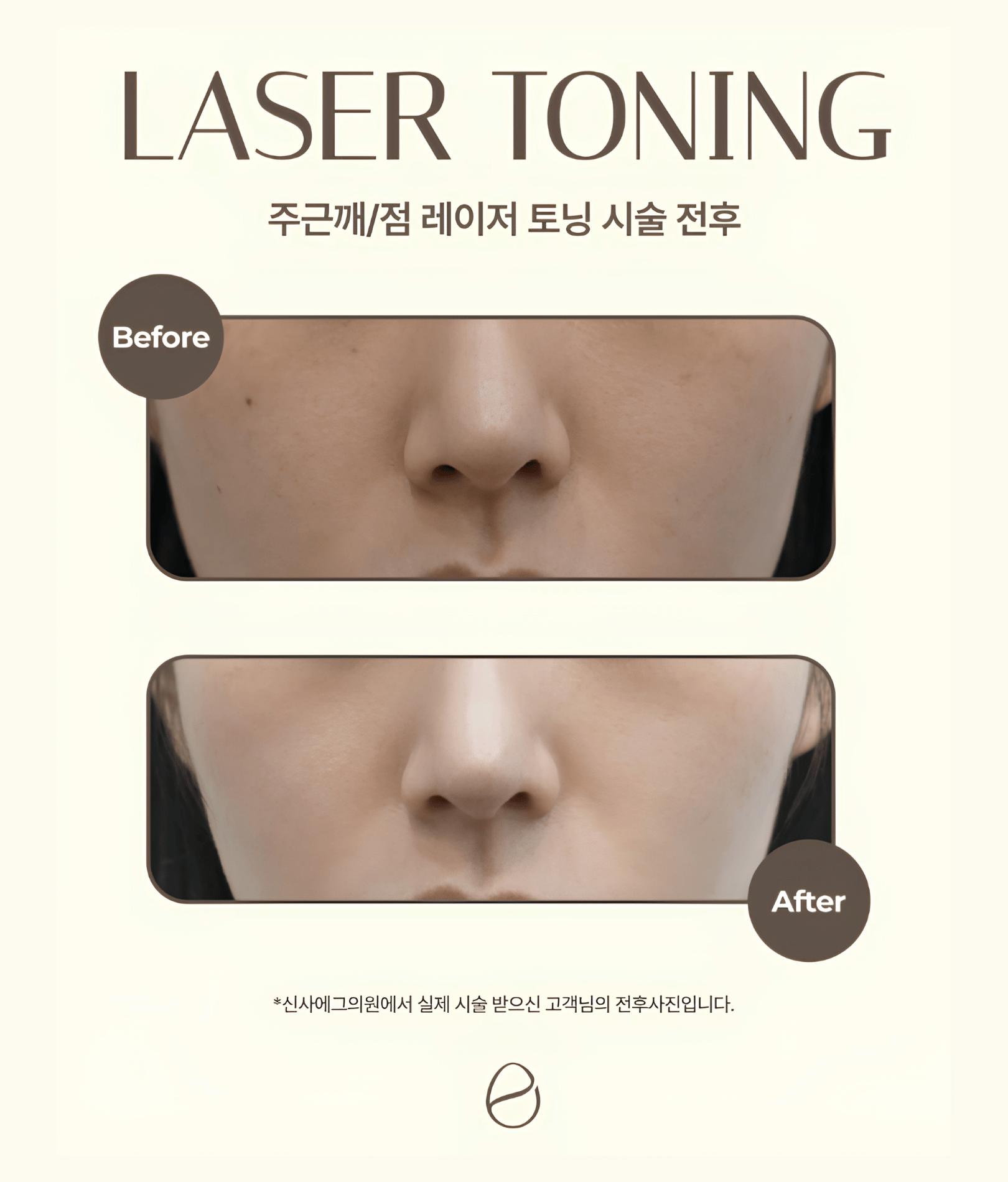
- Laser toning: approximately ₩70,000–₩250,000 per session
- Water-glow injection: approximately ₩100,000–₩300,000+
- Rejuran: approximately ₩200,000–₩600,000+ per session
- Juvelook: approximately ₩250,000–₩600,000+ per session
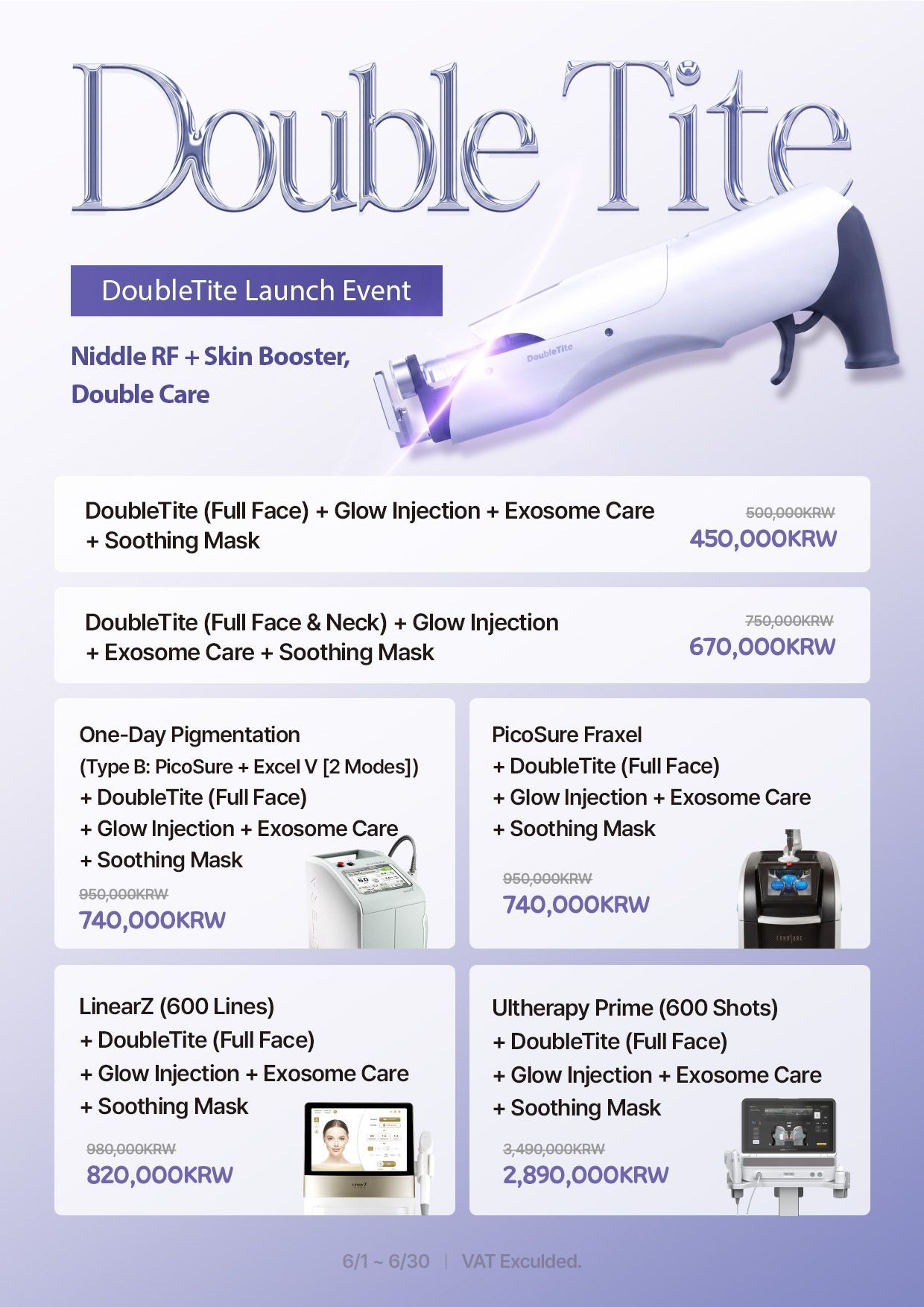
- Advanced combination treatment: approximately ₩400,000–₩900,000+
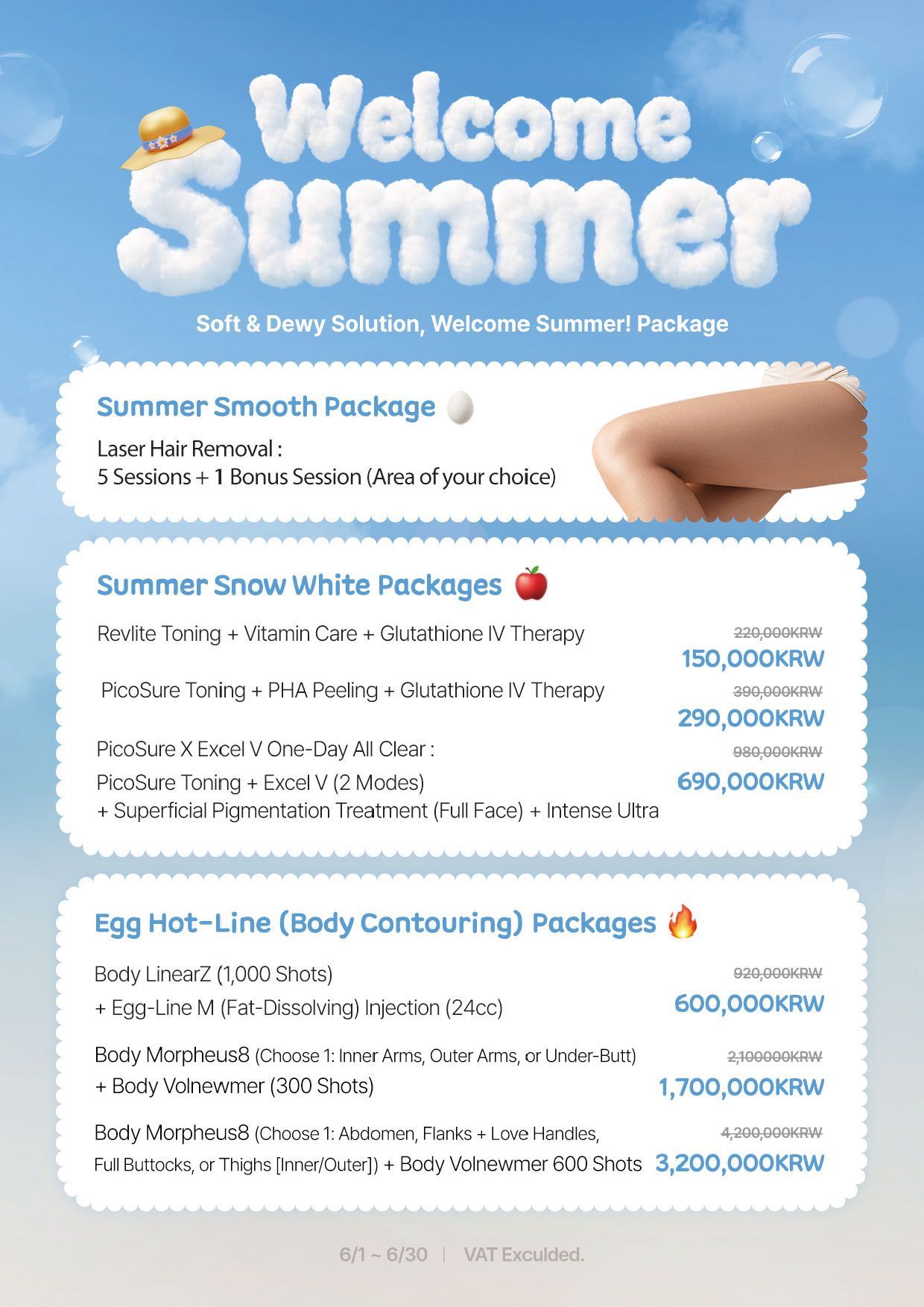
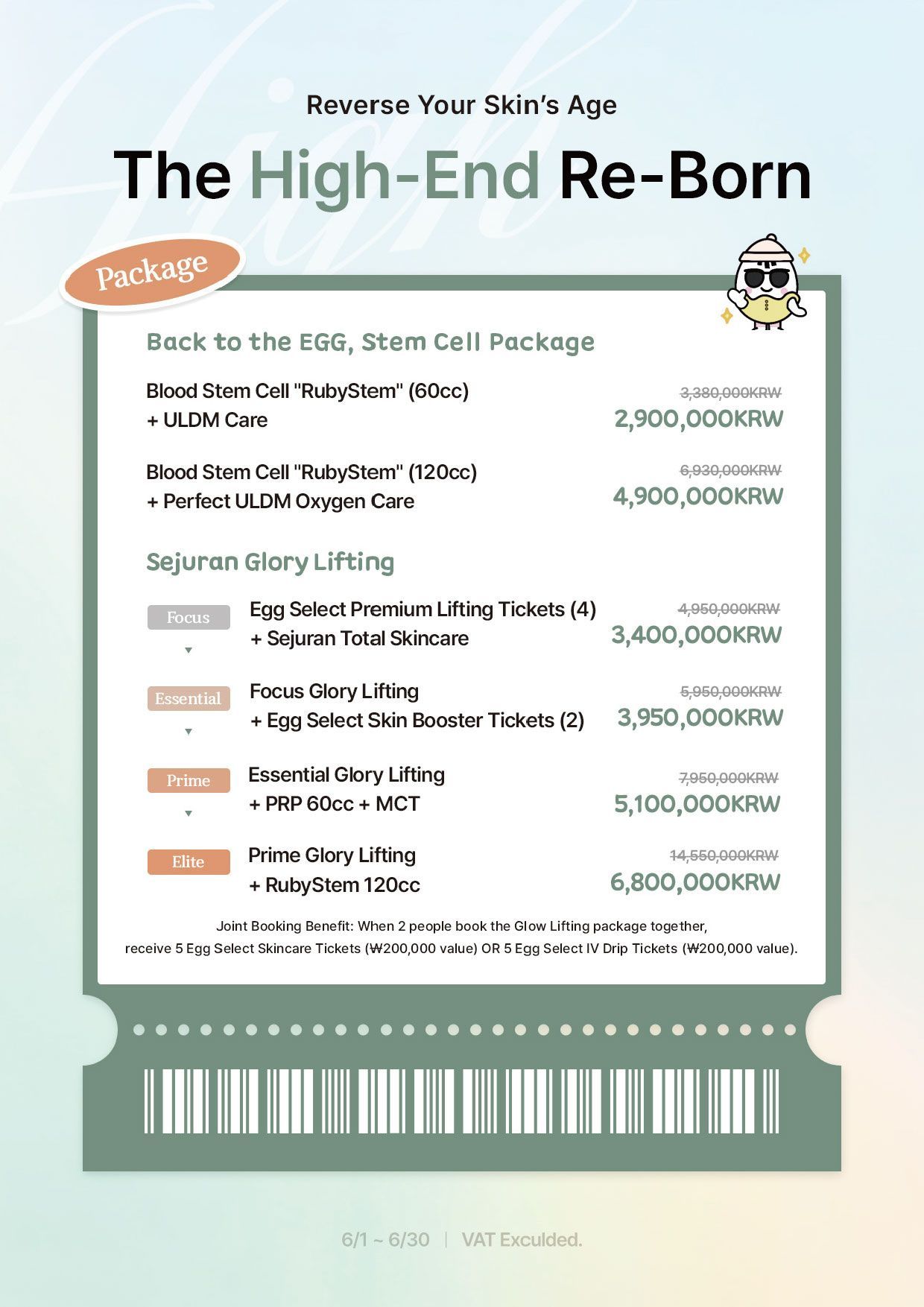
- Multi-session glass skin programs: approximately ₩800,000–₩2,000,000+
Budget clinics: lower
Premium doctor-led clinics: higher but more customized
The actual price depends on the specific products, dosage, devices, treatment areas, and number of sessions included.
What Is Usually Included in a Glass Skin Treatment?
Since glass skin is a result rather than a specific procedure, clinics can create the treatment in different ways. A typical plan may combine several treatments targeting different aspects of skin quality.
Common components include:
- Aqua Peel: cleansing, exfoliation, and hydration
- Laser toning: helps improve uneven tone and pigmentation
- Water-glow injection: provides superficial hydration and a dewy appearance
- Rejuran: focuses on skin quality, elasticity, and texture
- Juvelook: supports collagen-related skin improvement
- Skin Botox: may be used for pores, oiliness, and fine texture
- RF or other energy treatments: may address firmness and texture
The best combination depends on whether the main concern is dehydration, pigmentation, enlarged pores, fine lines, redness, or loss of elasticity.
Glass Skin Cost by Treatment Type
Different procedures contribute differently to the final price.
Aqua Peel and basic hydration treatments are usually among the least expensive options. They can provide an immediate refreshed appearance with little to no downtime.
Laser toning generally costs more and is often selected when uneven pigmentation, dullness, or mild discoloration is part of the concern.
Skin boosters tend to increase the price substantially because the treatment involves injectable products. Rejuran, Juvelook, and other boosters can range from several hundred thousand won per session depending on the product and amount used.
Combination treatments are usually the most expensive because multiple procedures are performed during one appointment.
How Much Does a Full Glass Skin Program Cost?
A complete glass skin program can range from approximately ₩800,000 to ₩2,000,000+, depending on the number of sessions and treatments included.
For example, a multi-session program could combine:
- Laser toning
- Hydration treatments
- Skin boosters
- Collagen-stimulating treatments
- Customized home skincare
- Maintenance treatments
A premium program with multiple injectable treatments and advanced laser or energy-based procedures can cost considerably more.
The important point is that a “glass skin package” from one clinic may contain completely different treatments from a package with the same name at another clinic.
Is One Glass Skin Treatment Enough?
A single treatment can create a temporary glow, but long-term skin improvement usually requires a more consistent approach. The number of sessions depends on the patient's starting skin condition and the treatments being used.
For example:
- Aqua Peel: immediate surface smoothness and hydration
- Laser toning: generally requires repeated sessions for pigmentation concerns
- Water-glow injections: visible hydration effects can develop quickly but are temporary
- Rejuran: commonly performed as a series for progressive skin-quality improvement
- Juvelook: collagen-related effects develop gradually over time
Patients should therefore distinguish between an instant glow treatment and a longer-term skin improvement program.
What Makes Glass Skin Treatment More Expensive?
Several factors can increase the final cost.
- Product: Premium imported or branded injectables usually cost more.
- Dosage: More cc or a larger treatment area increases the price.
- Number of procedures: Combining multiple modalities raises the total.
- Clinic: Premium doctor-led clinics generally charge more.
- Location: Major aesthetic districts can have higher pricing.
- Treatment complexity: Customized protocols may require additional procedures.
- Number of sessions: A three- or five-session program costs more than a single visit.
For foreign patients, it is important to ask exactly what is included rather than choosing a package based only on its name.
Glass Skin Treatment for Foreigners in Korea
Korea is particularly popular for glass skin treatments because clinics offer a broad selection of lasers, facials, injectables, and skin-rejuvenation procedures. International patients can often build a treatment plan around their travel schedule.
Before booking, confirm:
- Exact treatments included
- Specific device or injectable product
- Amount of product used
- Number of sessions
- Expected downtime
- Total price
- Whether VAT is included
- English-language consultation availability
- Whether follow-up care is available
If you are only staying in Korea for a few days, treatments with minimal downtime may be more practical. Injectable boosters can cause temporary redness, swelling, pinpoint marks, or bruising, so they should not necessarily be scheduled immediately before a flight or major event.
How to Get the Best Value for Glass Skin
The cheapest package is not always the best choice. A low-priced “glass skin” package may contain only a basic facial, while a more expensive program may include medical-grade lasers or skin boosters.
For better value, compare:
- Exact treatment: not just the package name
- Product and dosage: especially for injectables
- Number of sessions: single treatment vs full course
- Treatment goal: hydration, pigmentation, pores, texture, or firmness
- Doctor involvement: particularly for injectable procedures
- Downtime: important when traveling
- Total cost: including any additional charges
A customized combination of two appropriate treatments may be more useful than a large package containing procedures that are not relevant to your skin concerns.
Final Thoughts
The real cost of glass skin treatment in Korea depends on what you mean by “glass skin.” A simple hydration facial may cost ₩50,000–₩150,000, while medical-grade combination treatments can cost ₩400,000–₩900,000+ per session, and multi-session programs can reach ₩800,000–₩2,000,000 or more. The biggest mistake is comparing clinics by the phrase “glass skin” alone because each clinic may use a completely different combination of treatments. For the best value, focus on your specific skin concerns, the exact procedures included, product dosage, number of sessions, and total treatment cost rather than simply choosing the cheapest package.