Can You Combine Ultherapy, Thermage and Rejuran in Korea?
Can You Combine Ultherapy, Thermage and Rejuran in Korea?
Yes, Ultherapy, Thermage, and Rejuran can be incorporated into the same overall anti-aging treatment plan in Korea, but that does not necessarily mean all three should be performed on the same day. They target different aspects of facial aging: Ultherapy focuses on deeper lifting, Thermage on skin tightening and firmness, and Rejuran on skin quality and rejuvenation. Combination approaches can therefore be useful when a patient has both facial laxity and skin-quality concerns.
What Does Each Treatment Do?
The three treatments work differently, which is why some Korean clinics may combine them as part of a customized anti-aging plan.
Ultherapy:
- Uses focused ultrasound energy
- Targets deeper tissue layers
- Focuses on lifting and tightening
- Can improve the appearance of jowls and lower-face laxity
- Often selected for jawline and neck concerns
Thermage FLX:
- Uses monopolar radiofrequency
- Focuses on collagen remodeling and skin tightening
- Can improve firmness and fine lines
- Often useful for looser or crepey-looking skin
Rejuran:
- Uses polynucleotide-based injectable treatment
- Focuses on skin quality rather than mechanical lifting
- May improve hydration, elasticity, texture, and fine lines
- Commonly used as part of a skin-rejuvenation program
Research on sequential ultrasound and monopolar RF treatments suggests that combining different energy-based approaches can address facial aging from complementary perspectives, although the ideal sequence and treatment interval should be individualized.
Why Combine Ultherapy and Thermage?
Ultherapy and Thermage are both used for non-surgical facial rejuvenation, but they are not identical technologies.
Ultherapy is generally selected when the priority is lifting deeper tissue, while Thermage is often used when the priority is skin tightening and firmness.
A combination approach may be considered when a patient has:
- Jowling and loose skin
- Reduced jawline definition
- Facial laxity
- Crepey or thin skin
- Fine lines
- Loss of overall firmness
However, performing both at maximum intensity is not necessarily better. Excessive energy-based treatment can be inappropriate for some patients, particularly those with low facial fat or already-thin facial tissue.
Why Add Rejuran?
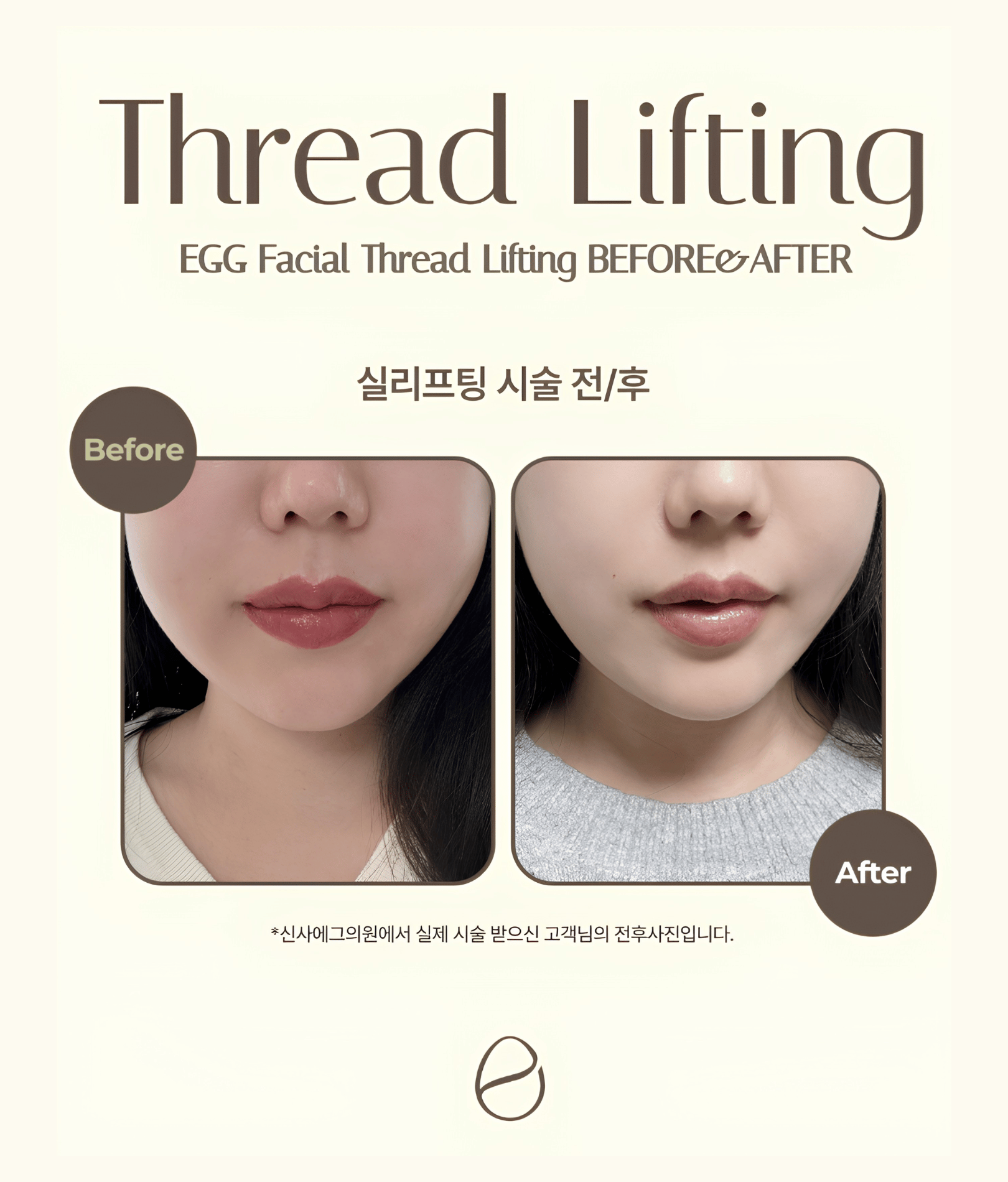
Rejuran serves a different purpose from Ultherapy and Thermage. Rather than primarily lifting or tightening tissue, it is intended to improve the quality and condition of the skin.
It may be added when patients also have:
- Fine lines
- Dehydrated skin
- Reduced elasticity
- Uneven texture
- Thin or weakened-looking skin
- A dull or tired appearance
This makes Rejuran potentially complementary to lifting treatments. One treatment can focus on facial laxity, while another focuses on skin quality.
Can All Three Be Done on the Same Day?
This should be determined by the treating doctor rather than assumed to be safe for everyone.
In some Korean clinics, multiple aesthetic treatments may be performed during the same visit, but the combination, energy settings, injection technique, and treatment areas matter. There is not a universal protocol stating that Ultherapy, Thermage, and Rejuran should always be performed simultaneously.
A more conservative approach may be to separate treatments into different appointments so the skin can recover and the doctor can evaluate the response before adding another procedure.
For example, a treatment plan might be structured as:
- Visit 1: Ultherapy for deeper lifting
- Later visit: Thermage for additional tightening
- Later or maintenance visit: Rejuran for skin-quality improvement
The appropriate interval depends on the treatment intensity, skin condition, treatment area, and individual response.
Which Treatment Should Come First?
There is no universal sequence that applies to every patient. The order should be based on the primary concern and the specific devices being used.
If significant sagging is the main concern, a doctor may prioritize a lifting treatment such as Ultherapy. If skin firmness and texture are the bigger concerns, RF treatment may play a larger role.
A possible customized sequence could be:
Ultherapy → Thermage → Rejuran
or
Thermage → Ultherapy → Rejuran
The sequence should not be chosen simply because one treatment is considered “stronger.” A 2025 Korean study comparing sequential monopolar RF and HIFU found both sequences produced improvement with minimal side effects, while RF followed by HIFU showed somewhat better wrinkle reduction in that particular study. This does not establish one universal sequence for all patients.
What Are the Benefits of Combining Them?
A well-designed combination plan can address several dimensions of facial aging at once.
Potential goals include:
- Ultherapy: deeper lifting and jawline improvement
- Thermage: firmness and skin tightening
- Rejuran: skin quality and texture
- Combination: more comprehensive facial rejuvenation
This can be particularly useful for patients who have both structural laxity and surface-level skin aging rather than a single isolated concern.
However, combination treatment should be selective. More procedures do not automatically mean better results.
What About Downtime and Recovery?
Recovery varies by treatment.
Ultherapy:
- Usually little visible downtime
- Temporary tenderness or sensitivity may occur
- Results develop gradually
Thermage:
- Generally minimal downtime
- Temporary redness or swelling can occur
- Firmness changes develop progressively
Rejuran:
- Small injection bumps may temporarily appear
- Redness, swelling, or bruising can occur
- Skin-quality improvement develops gradually
If you are visiting Korea as a foreign patient, avoid scheduling multiple intensive procedures immediately before an important event. Injectable treatments such as Rejuran can leave temporary injection marks even when the overall treatment has minimal downtime.
Who Should Be Careful With Combination Lifting?
Not everyone needs all three treatments. A customized assessment is particularly important for patients with:
- Very thin facial tissue
- Low facial fat
- Significant volume loss
- Very sensitive skin
- Previous energy-based treatments
- Multiple recent injectable treatments
- A history of unusual reactions
Aggressive energy-based treatment can potentially reduce facial fat in some circumstances, and this is particularly relevant for patients with lean faces. Studies of focused ultrasound have specifically noted that fat atrophy can be a concern depending on treatment parameters and patient characteristics.
The goal should therefore be controlled rejuvenation rather than maximum treatment intensity.
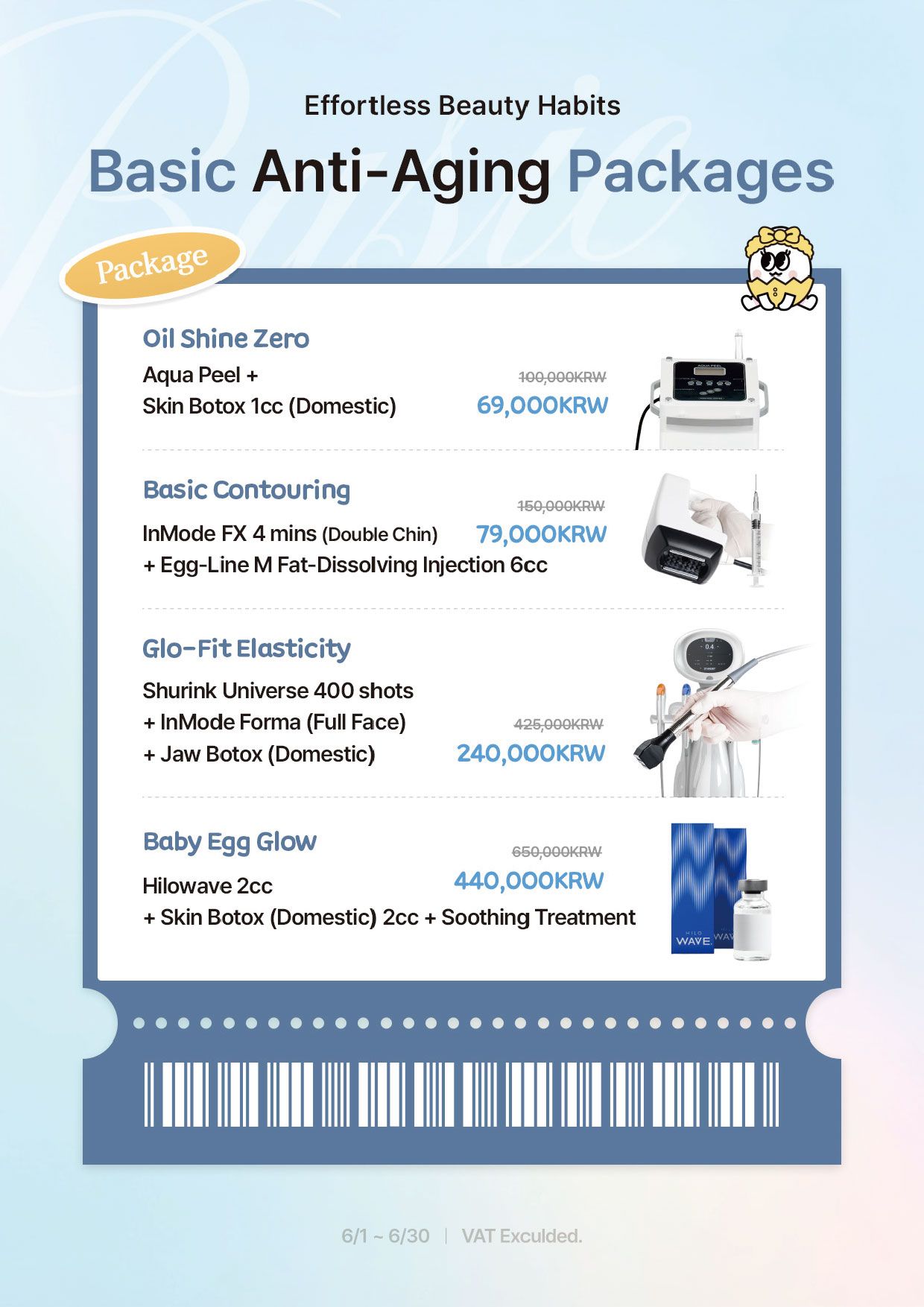
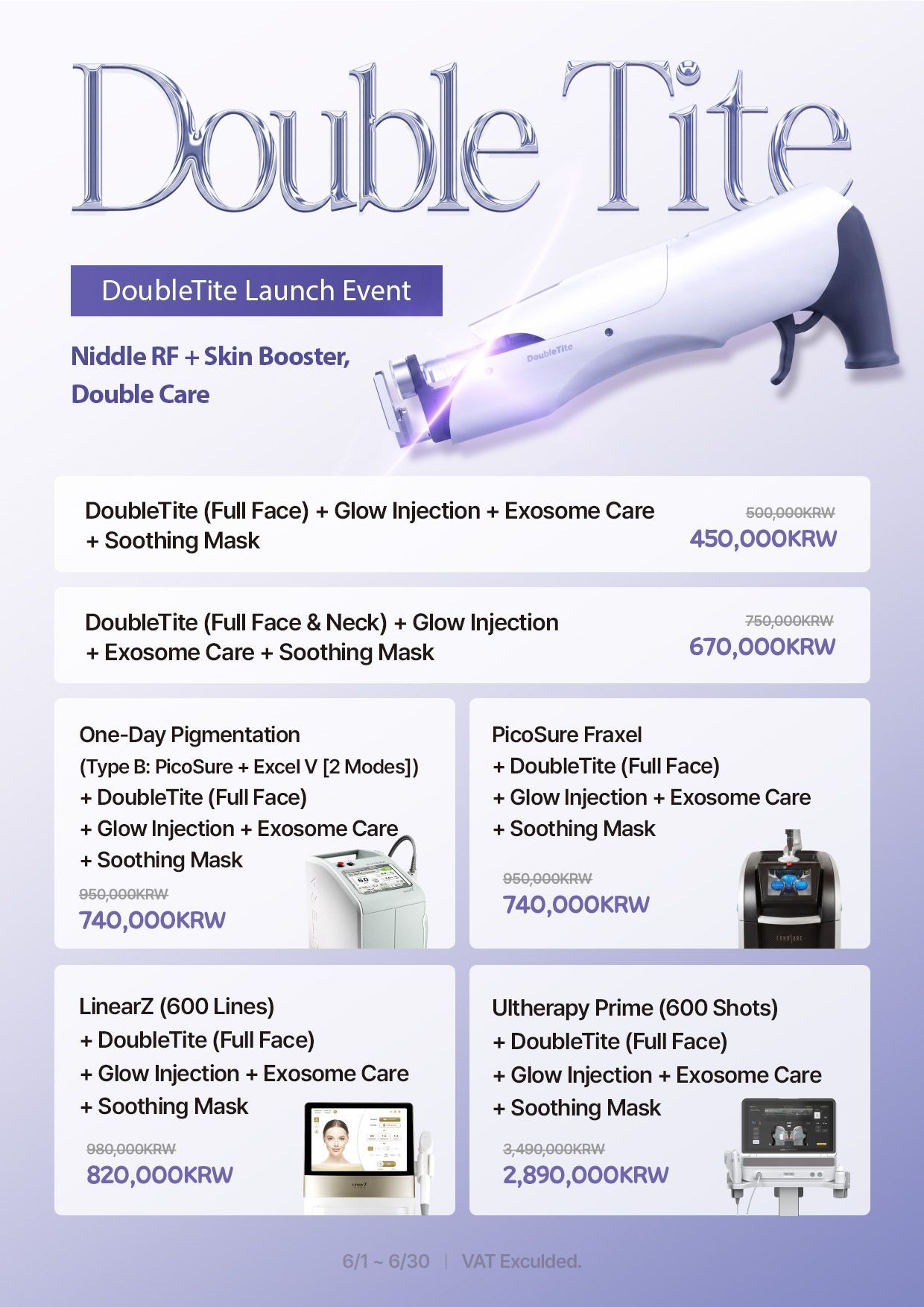
How Much Does a Combination Treatment Cost in Korea?
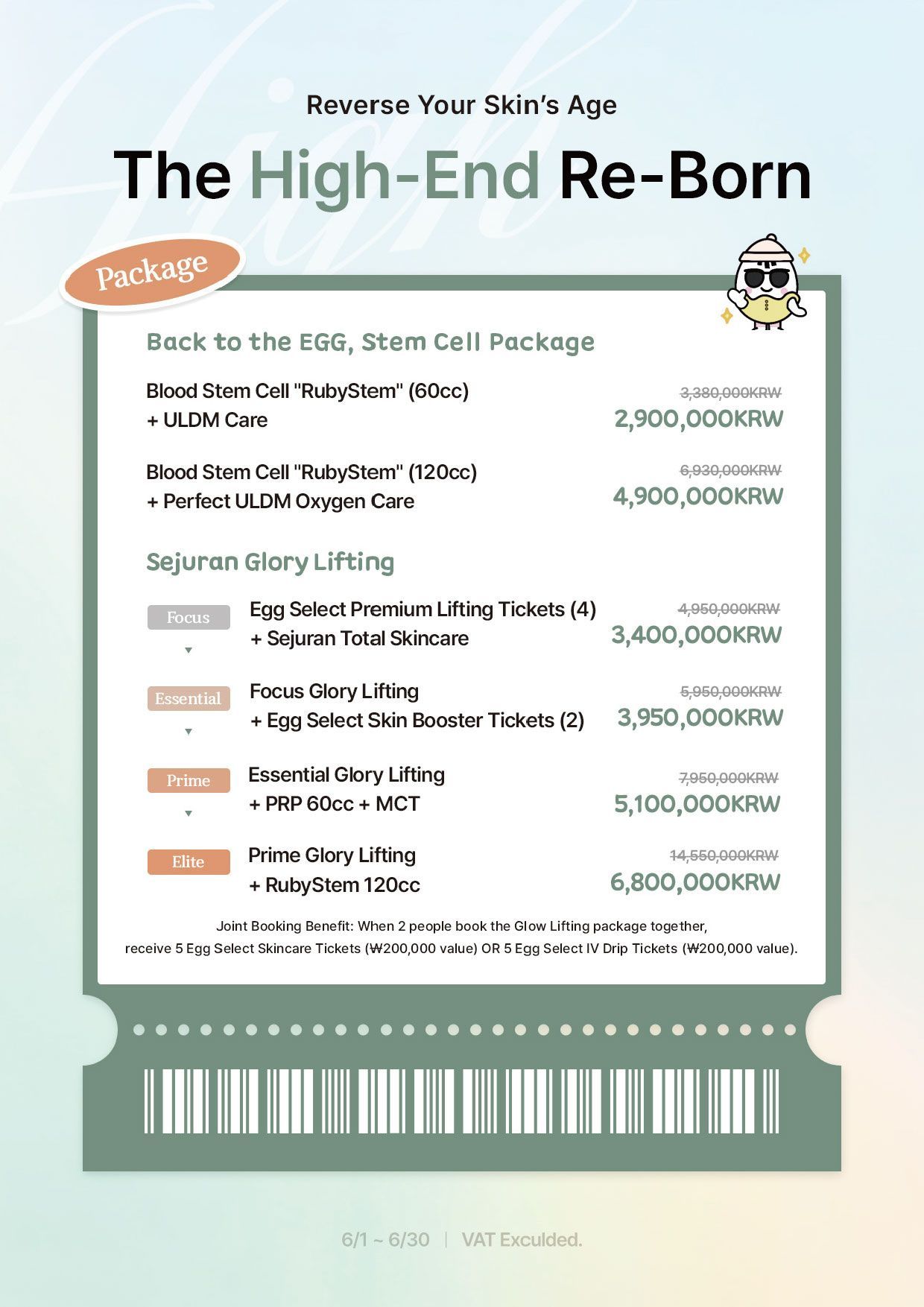
Because each treatment is priced differently, combining all three can become a significant investment.
General reference ranges are:
- Ultherapy: approximately ₩800,000–₩3,000,000+
- Thermage FLX: approximately ₩1,500,000–₩3,500,000+
- Rejuran: approximately ₩150,000–₩600,000+ per session
- Three-treatment combination: potentially ₩2,500,000–₩6,000,000+
Budget clinics: lower
Premium doctor-led clinics: higher but more customized
The final cost depends heavily on the number of Ultherapy shots, Thermage shots, Rejuran dosage, treatment areas, and whether the clinic offers a combination package.
Final Thoughts
Yes, Ultherapy, Thermage, and Rejuran can be combined as part of a customized anti-aging plan in Korea, because they address different aspects of facial aging. Ultherapy is generally focused on deeper lifting, Thermage on skin tightening and firmness, and Rejuran on skin quality. However, performing all three simultaneously is not automatically the best approach. A staged treatment plan may be more appropriate depending on your skin condition, facial volume, degree of laxity, and previous procedures. For the most natural result, the goal should be to use the right treatment at the right intensity and interval, rather than simply combining as many treatments as possible.