Best Treatments for Melasma in Korea
Best Treatments for Melasma in Korea
Melasma is a common but complex pigmentation condition that can appear as brown or grayish patches, most often on the cheeks, forehead, nose, and upper lip. Korea offers a wide range of treatments for melasma, including laser toning, Pico laser, topical medications, chemical peels, and skin-focused procedures. However, there is no single treatment that works best for everyone. The ideal approach depends on the depth and type of pigmentation, skin tone, sensitivity, previous treatments, and factors that may be triggering the melasma.
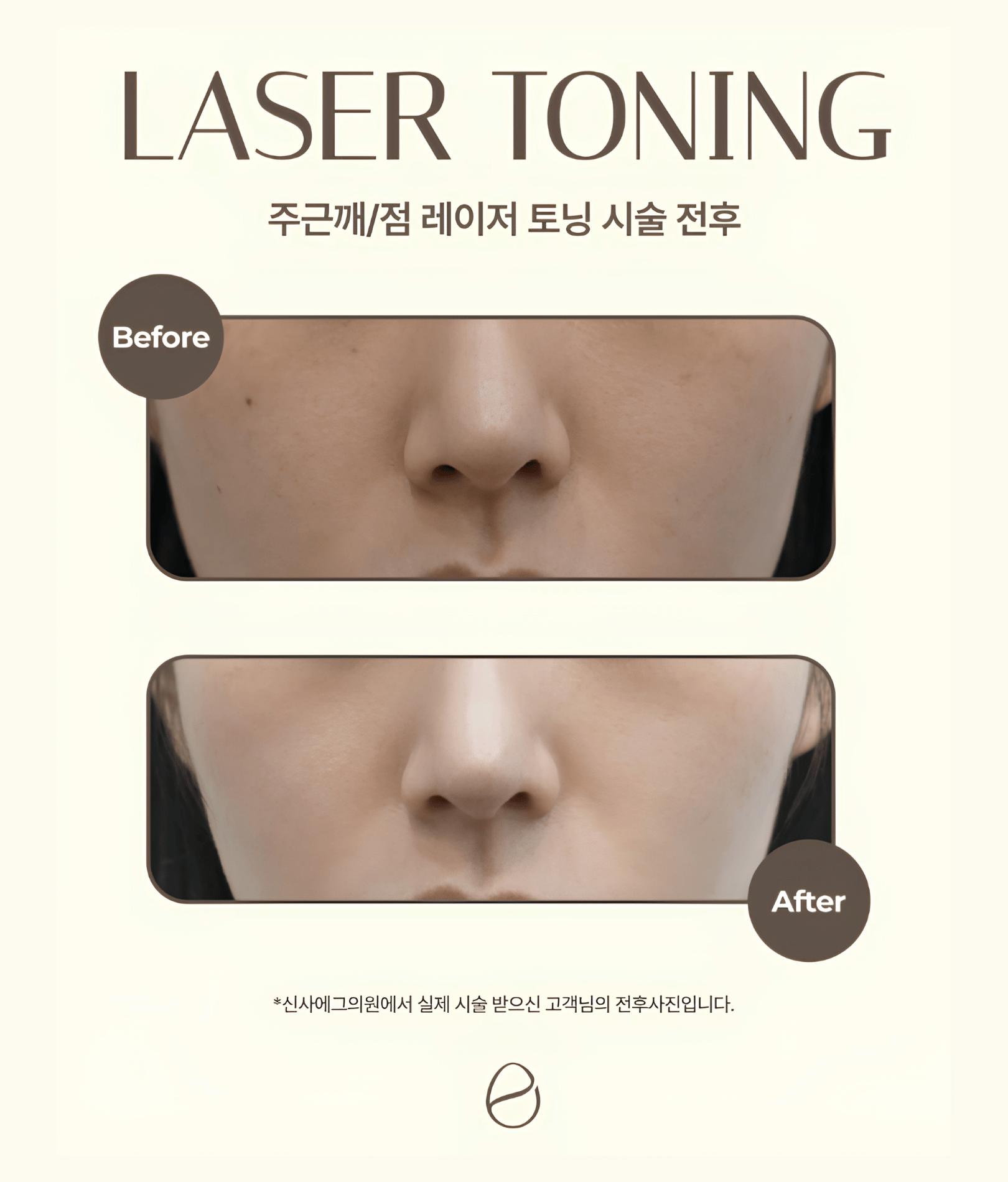
Laser Toning for Melasma
Laser toning is one of the most commonly discussed laser approaches for melasma in Korean dermatology. It typically uses low-fluence laser energy to gradually target excess pigmentation rather than aggressively removing individual dark spots.
Laser toning may be considered for:
- Diffuse facial pigmentation
- Mild to moderate melasma
- Uneven skin tone
- Overall skin brightening
- Patients seeking relatively low downtime
Because melasma can worsen when the skin becomes irritated, treatment intensity and frequency are important. A gradual approach may be more appropriate than repeatedly using high-energy settings.
Pico Laser for Melasma
Pico laser uses ultra-short picosecond pulses to target pigment. Depending on the device and wavelength, it can be customized for different pigmentation concerns and may also be used for overall skin rejuvenation.
Potential advantages include:
- Ultra-short laser pulses
- Multiple wavelength options depending on the device
- Targeted treatment of pigmentation
- Potential improvement in overall skin tone
- Different treatment modes for different skin concerns
- Generally limited downtime with appropriate settings
However, stronger treatment does not necessarily produce better results for melasma. Because melasma can be aggravated by inflammation or excessive laser energy, Pico laser should be carefully customized.
Topical Treatments for Melasma
Topical medication and pigment-correcting skincare are important components of melasma management. In many cases, professional treatments work best when combined with an appropriate home-care routine.
Depending on the patient's condition, a dermatologist may recommend ingredients such as:
- Hydroquinone
- Tretinoin
- Azelaic acid
- Kojic acid
- Vitamin C
- Other pigment-modulating ingredients
Prescription treatment should be selected according to the patient's skin condition and medical history. A consistent topical routine can also help maintain improvements between in-clinic treatments.
Chemical Peels for Melasma
Chemical peels can be used to improve superficial pigmentation and encourage skin turnover. Depending on the formulation and strength, a peel may help reduce the appearance of uneven pigmentation while improving overall skin texture.
Chemical peels may be considered for:
- Superficial pigmentation
- Uneven skin tone
- Post-inflammatory pigmentation
- Dull skin
- Mild melasma as part of a broader treatment plan
For melasma-prone skin, aggressive peeling can cause irritation and potentially worsen pigmentation. A controlled, professionally selected peel is therefore preferable to unnecessarily strong exfoliation.
Microneedling and Skin-Boosting Treatments
Microneedling may be considered as another option for patients with melasma, particularly when pigmentation occurs alongside uneven texture or other skin concerns. The procedure creates controlled microscopic injuries that stimulate the skin's natural healing response.
It may be used to address:
- Uneven skin tone
- Melasma
- Enlarged pores
- Mild acne scars
- Uneven texture
Some clinics may combine microneedling with other skin treatments. However, because irritation can contribute to post-inflammatory pigmentation, the treatment should be carefully selected for patients who are particularly pigmentation-prone.
Combination Treatments for Melasma
Melasma often responds better to a comprehensive treatment plan than to a single procedure. Korean dermatology clinics may combine different approaches according to the patient's pigmentation and skin condition.
A customized plan may include:
- Laser toning for gradual pigmentation management
- Pico laser for selected pigment concerns
- Prescription or medical skincare
- Chemical peels
- Microneedling
- Skin-calming treatments
- Consistent sun protection
The combination should be individualized rather than automatically stacking multiple procedures. A dermatologist may also adjust the treatment intensity or frequency according to how the skin responds.
Sun Protection and Melasma Management
Sun protection is one of the most important parts of any melasma treatment plan. UV exposure can stimulate melanin production and make existing pigmentation more noticeable. Visible light can also contribute to melasma, particularly in people with darker skin tones. (AAD)
Daily protection should include:
- Broad-spectrum SPF 30 or higher
- Consistent sunscreen application
- Reapplication when spending extended time outdoors
- Hats or other physical protection
- Limiting prolonged direct sun exposure
- Tinted sunscreen containing iron oxides when appropriate
Gentle skincare is also important because irritation can make pigmentation more noticeable or trigger additional darkening.
How to Choose the Best Melasma Treatment in Korea
The right treatment depends on the characteristics of your melasma rather than simply choosing the newest laser. A dermatologist may evaluate the pigmentation using close examination or specialized devices to determine how deeply the pigment extends into the skin. (AAD)
Important factors include:
- Type and depth of pigmentation
- Skin tone
- Skin sensitivity
- Previous laser treatments
- History of post-inflammatory hyperpigmentation
- Current skincare products
- Sun exposure
- Hormonal or other potential triggers
- Desired treatment intensity and downtime
For patients with darker skin tones, extra care may be needed because laser procedures can carry a greater risk of burns or post-treatment dark marks when inappropriate settings are used. (AAD)
Final Thoughts
The best treatments for melasma in Korea often involve a customized combination of pigmentation control, appropriate in-clinic procedures, home skincare, and consistent sun protection. Laser toning can be considered for gradual improvement, while Pico laser, chemical peels, and microneedling may be incorporated when appropriate for the individual skin condition.
Most importantly, melasma is a chronic and recurring condition, so the goal should not simply be to remove pigmentation as aggressively as possible. A carefully controlled treatment plan that minimizes irritation and protects the skin from UV and visible light can help achieve more sustainable improvement.